We’ve visited both Aruba and Curaçao, years apart. Here’s the honest breakdown on cost, beaches, snorkeling, and which one fits your trip.
Disclosure: This post may contain affiliate links, which means we’ll receive a commission if you purchase through our links, at no extra cost to you. Please read full disclosure for more information.
Nobody should have to choose between two islands this good.
We’re making you do it anyway.
We’ve actually been to both, and we keep going back.
A birthday trip to Aruba first, a group trip to Curaçao years later, then Aruba again this past year with friends.
These are sister islands with a lot in common, but the differences surprised us more than we expected.
Here’s the honest breakdown so you can make the right call for you.
Aruba vs Curaçao: Quick Verdict
Book Aruba if: you want the classic postcard beach, don’t mind paying more for it, and want a well-worn tourist infrastructure that makes everything easy.
Book Curaçao if: you want better snorkeling and diving, a more low-key and local feel, and you’re trying to stretch your budget further.
Can’t decide? You don’t have to. There’s no ferry between them, but a quick 30-45 minute flight (roughly $150-300 round trip) or a Southern Caribbean cruise itinerary can get you both.
Why Both Islands Are Worth Visiting
Let’s get this out of the way first: you can’t really book wrong here.
World class beaches, landscapes you won’t find anywhere else in the Caribbean, marine life that’ll make you forget your fear of the ocean for a minute, and real local culture if you actually go find it instead of staying poolside the whole trip.
These were the first islands either of us had ever seen with desert landscapes and cacti, which should tell you immediately that these aren’t your typical Caribbean islands.

Both are multilingual, both sit outside the hurricane belt, and both hover around 82-88°F basically year-round, so there’s no real “bad season” to plan around on either one.
Flights and Entry Requirements
Both Aruba and Curaçao have direct flights from major US hubs, and the prices are close enough that we wouldn’t let flight cost alone make this decision for you
Whichever is cheaper when you’re actually booking, go with that one.
Where it does get different is entry requirements, and this is the one thing you need to know before you fly to Aruba.
Aruba requires a mandatory $20 sustainability fee, completed online before you fly.
Skip it, and you won’t be allowed to board.
Curaçao’s entry form asks similar questions, but there’s no fee attached.
Getting Around: Aruba vs. Curaçao
Curaçao is nearly two and a half times the size of Aruba, so renting a car there is close to essential if you want to see it on your own schedule, and it’ll actually save you money versus taxis once distances add up.

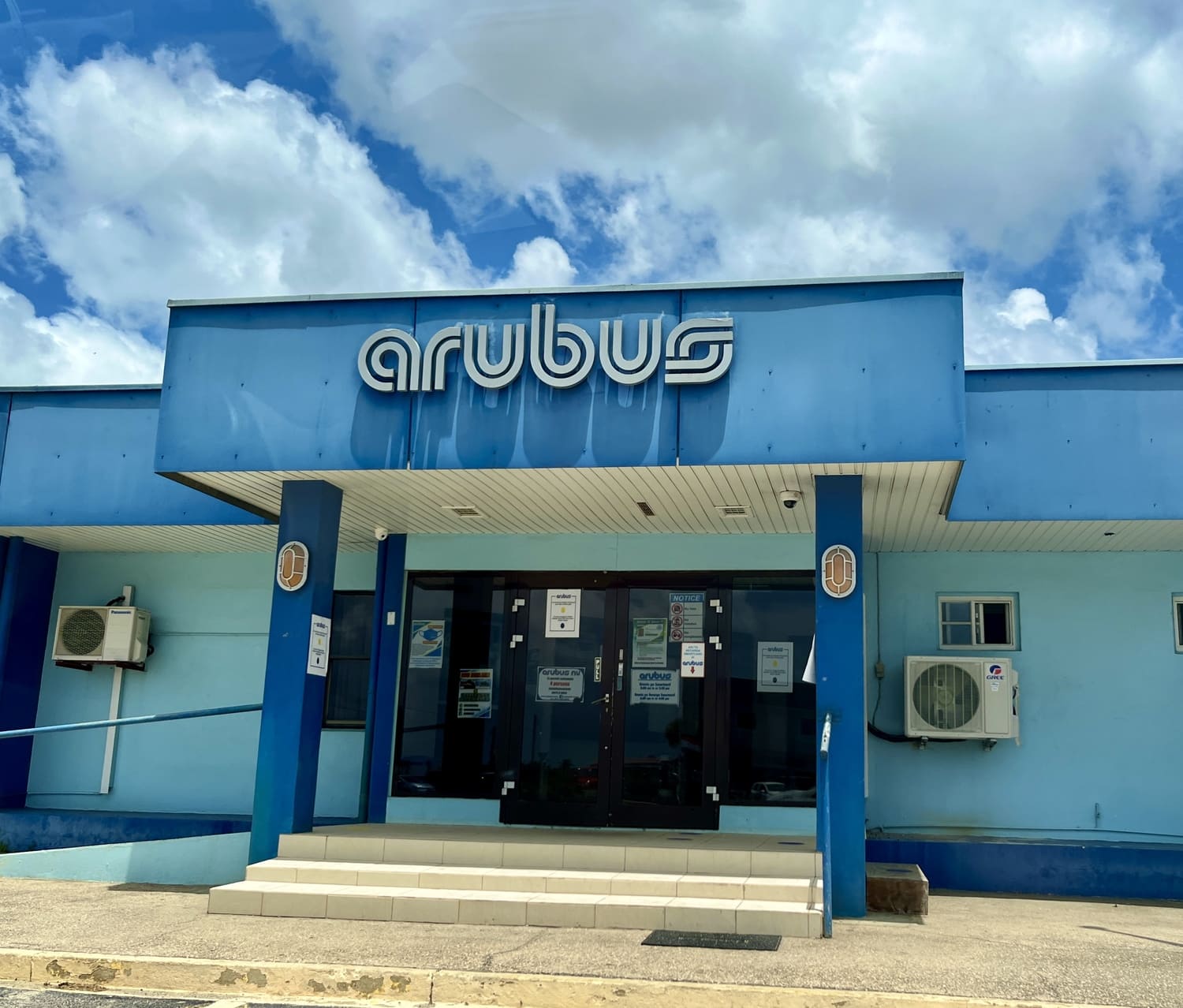
If you’d rather skip a rental, both islands run public buses: Aruba’s is called the Arubus (about $2.50 a ride, or a day pass for around $15), and Curaçao’s runs about $1.50 a ride, though some routes are less frequent.
Both islands drive on the right side of the road, same as the US, so it’s an easy adjustment, just expect a lot of roundabouts instead of traffic lights, especially in Aruba.
One more practical thing worth planning around: figure out what your itinerary actually needs before you book a car.
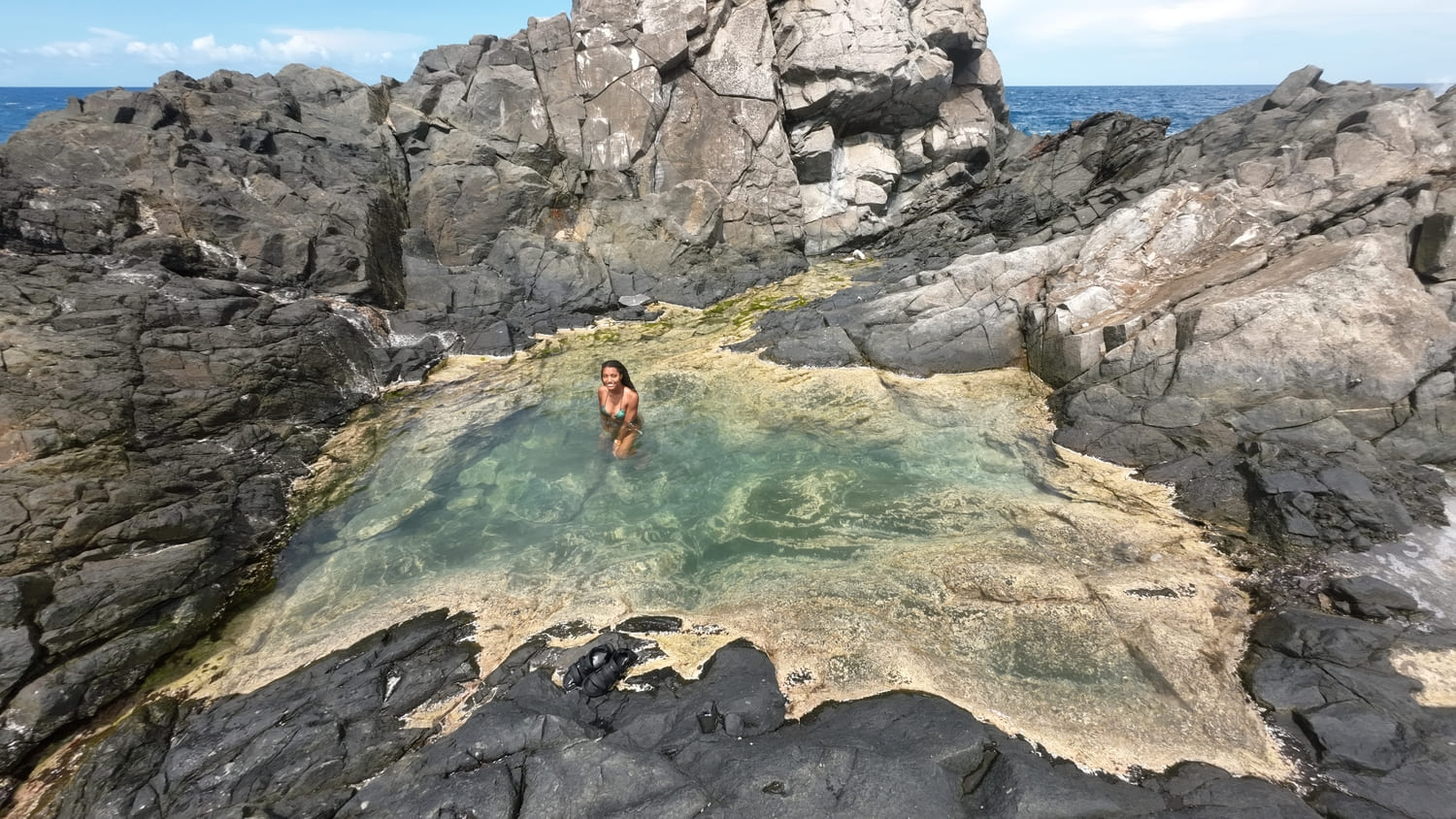
In Aruba, if Arikok National Park is on your list, you’ll want a 4×4, a regular sedan isn’t going to handle it well, and also is not allowed in some parts of the park.
In Curaçao, some roads were rougher than we expected, with a fair number of one-way streets to navigate, especially around Willemstad.
Going with a rental car is fine for beaches and towns on either island, just plan ahead if your itinerary calls for something more rugged.
You can also book a tour that includes transportation, which takes the guesswork out of it, but it costs more than driving yourself.
We did it ourselves each time, and it worked out fine with a little planning.

Landscape and Weather: Flat vs. Hilly
Here’s where the two islands stop looking related at all.
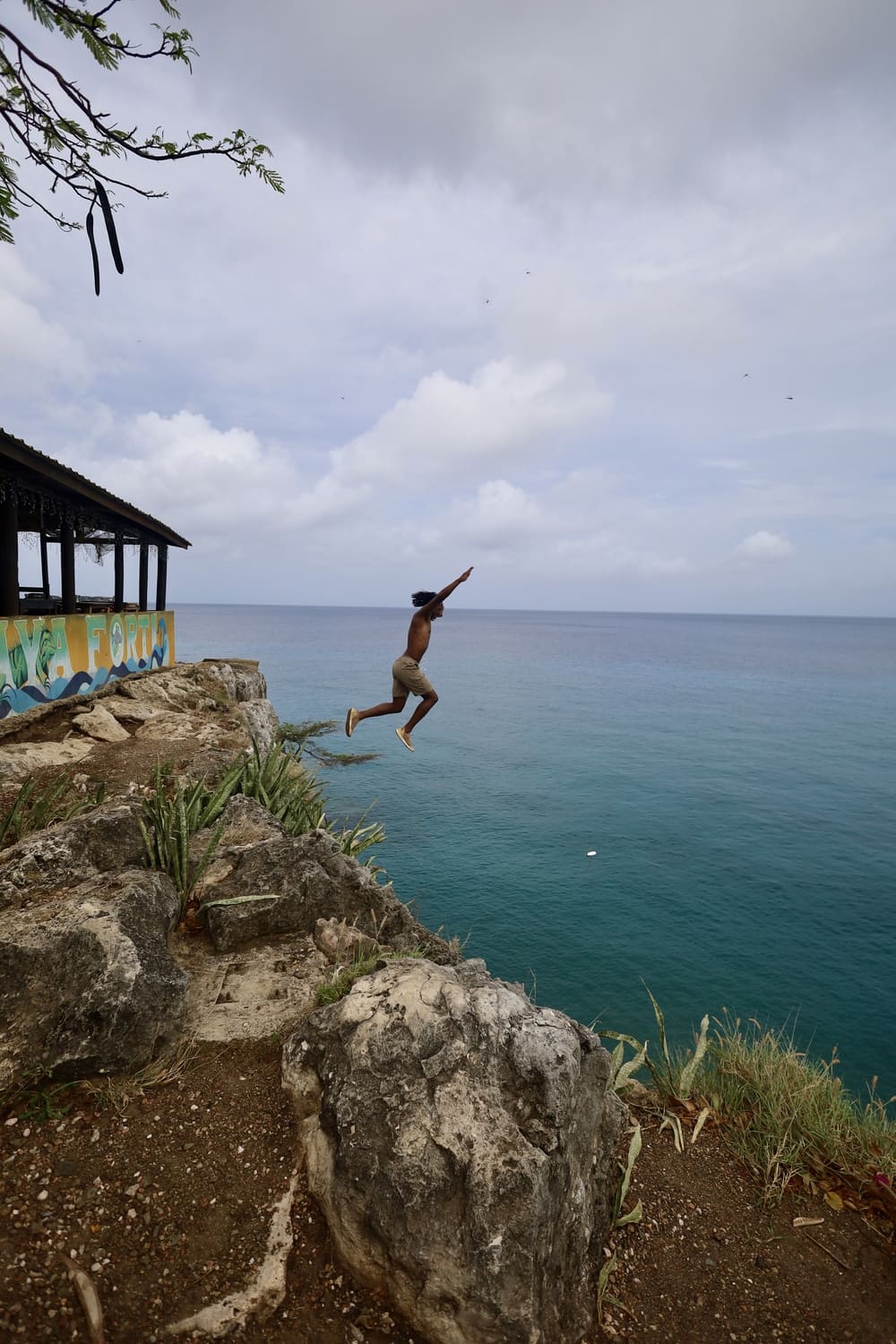
Curaçao is noticeably hillier, with terrain that provides for cliff jumping at Playa Forti. (if you’re like my husband. I personally don’t need that thrill)
Aruba is almost entirely flat, just one real hill on the whole island.
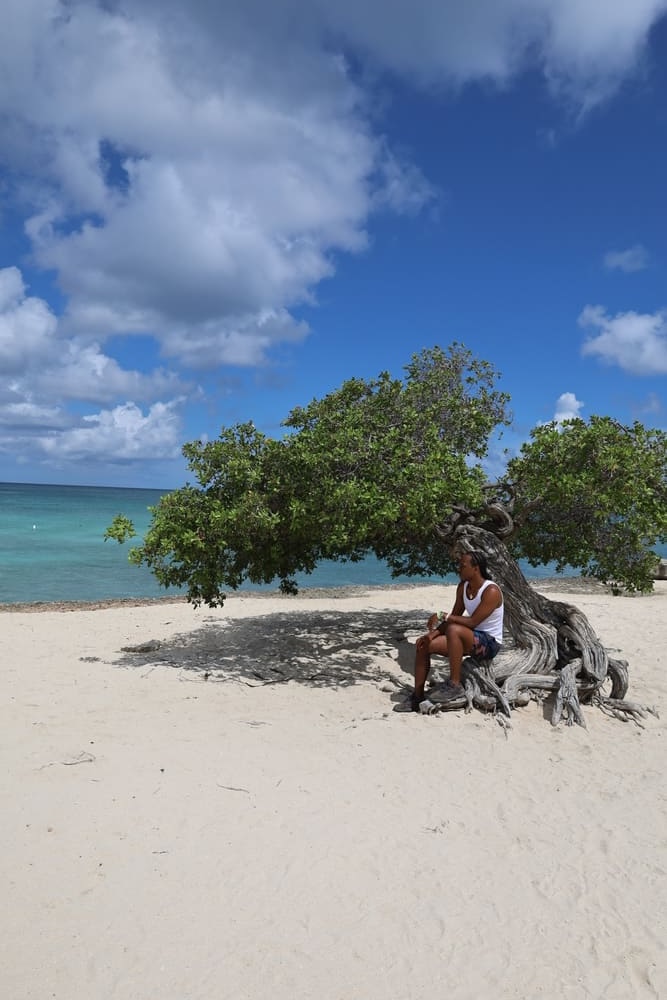
Aruba is also, hands down, one of the windiest destinations we’ve ever been to, windy enough that it shapes the direction the island’s famous divi-divi trees grow.
Culture and Vibe: Touristy vs. Local
So what’s actually special about Curaçao? For us, it was the vibe.
It felt more low-key and more genuinely local, you’re not surrounded by American tourists the way you often are in Aruba, and the Dutch, Caribbean, and Spanish influence comes through everywhere, especially in the capital, Willemstad, and in Otrobanda.
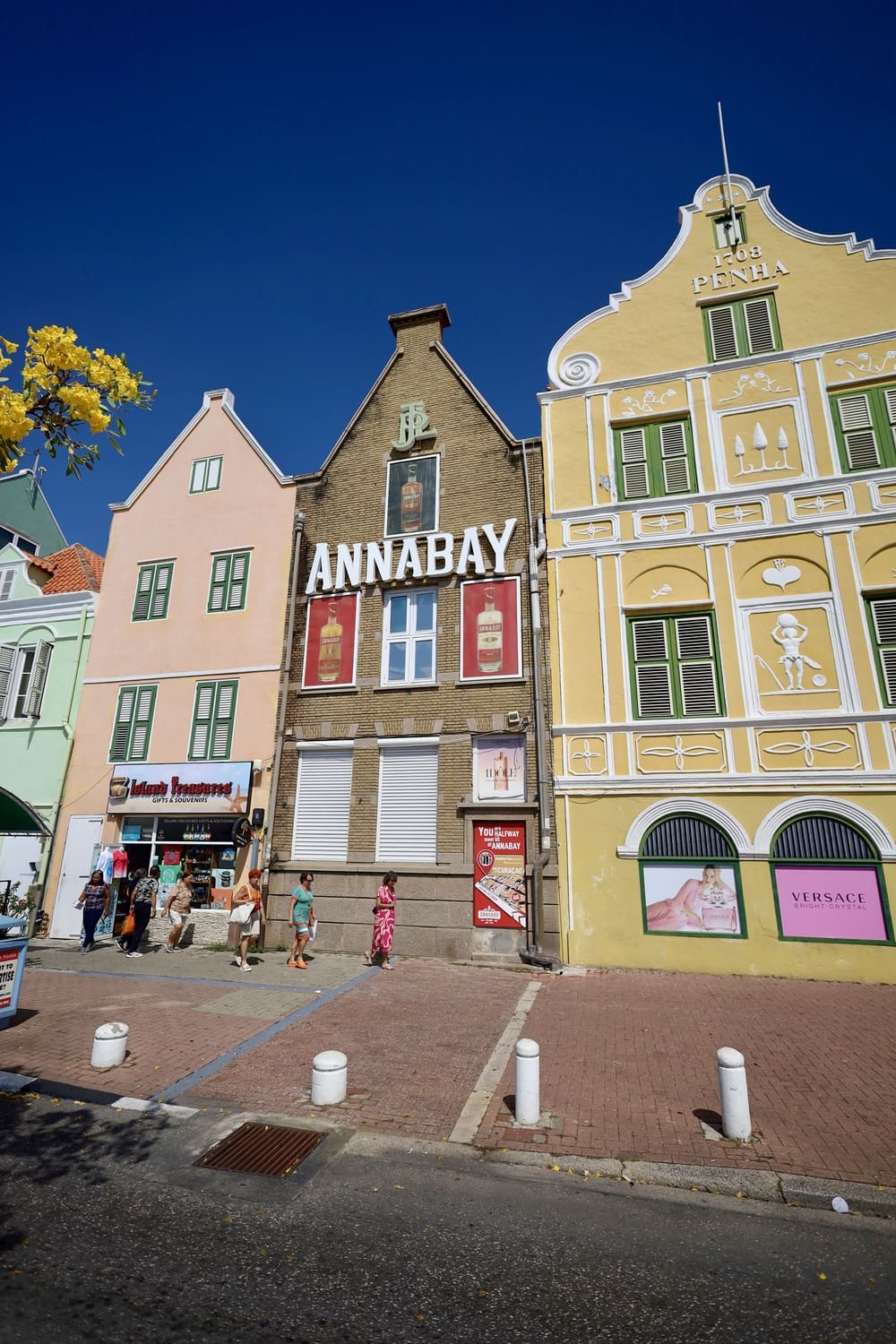
Aruba’s local culture is there too, but you have to seek it out, about 80% of visitors are from the US, so if you never leave Eagle Beach or Palm Beach, you might forget you left home at all.
Get out to San Nicolas for Aruba’s art scene and a more local feel.
Cost: Which Island Is Cheaper?
This is the one that put “See the World, Save a Dollar” to the test.
Aruba felt expensive across the board, accommodations, food, even all-inclusives ran higher than what we saw in Curaçao.

Curaçao isn’t cheap either, but you can find more local experiences at local price points there.
Both currencies matter less than you’d think day to day, since US dollars and credit cards are widely accepted on both islands, but officially Aruba uses the Aruban florin and Curaçao uses the Caribbean guilder.
If you’re trying to save on either island: travel with a group and split a house instead of individual rooms, and consider the off-season, May through November.

That’s hurricane season for most of the Caribbean, but since the ABC islands sit outside the hurricane belt, it’s actually a smart off-season pick here specifically.
Beaches: Which Island Wins?
Aruba wins this one overall.
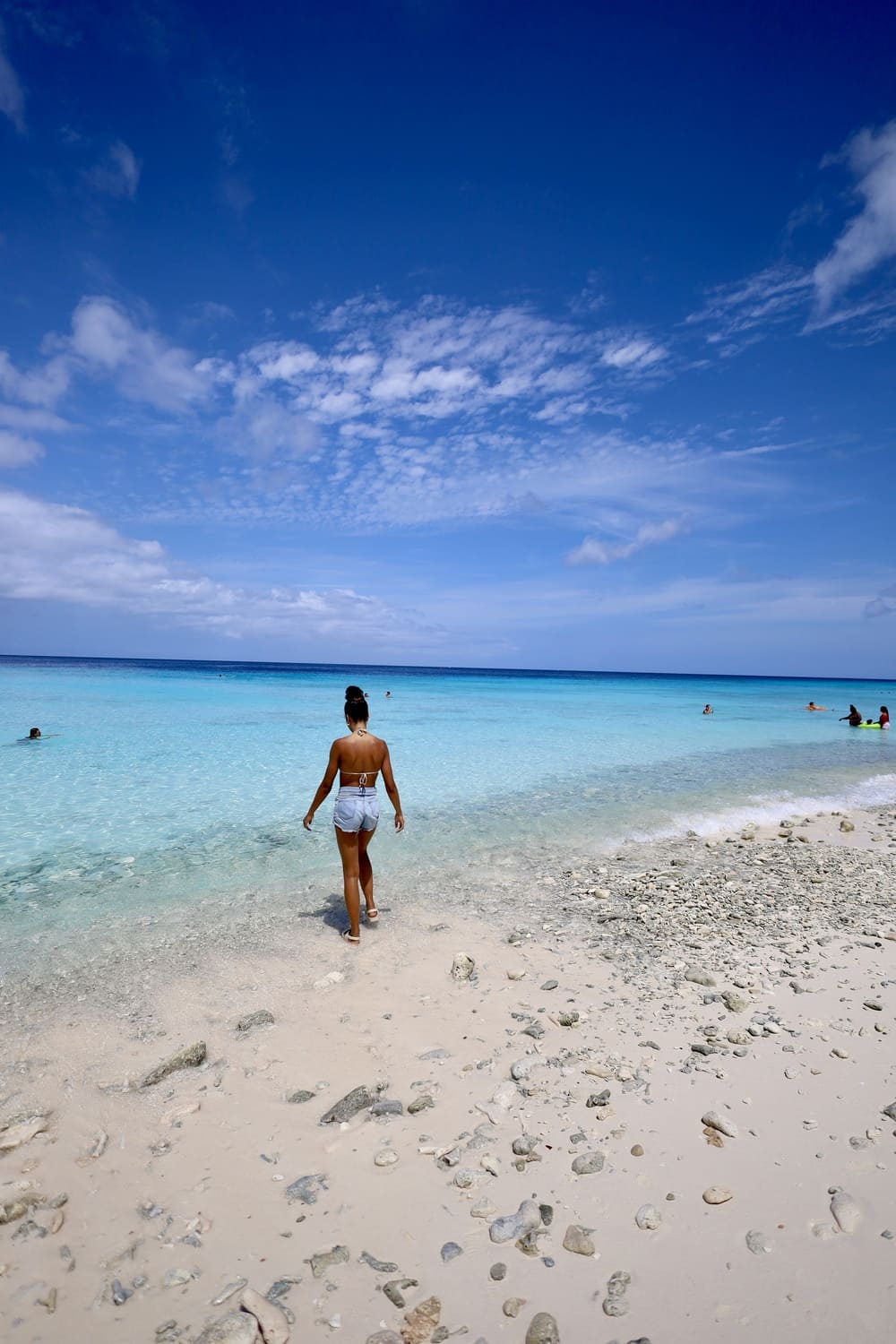
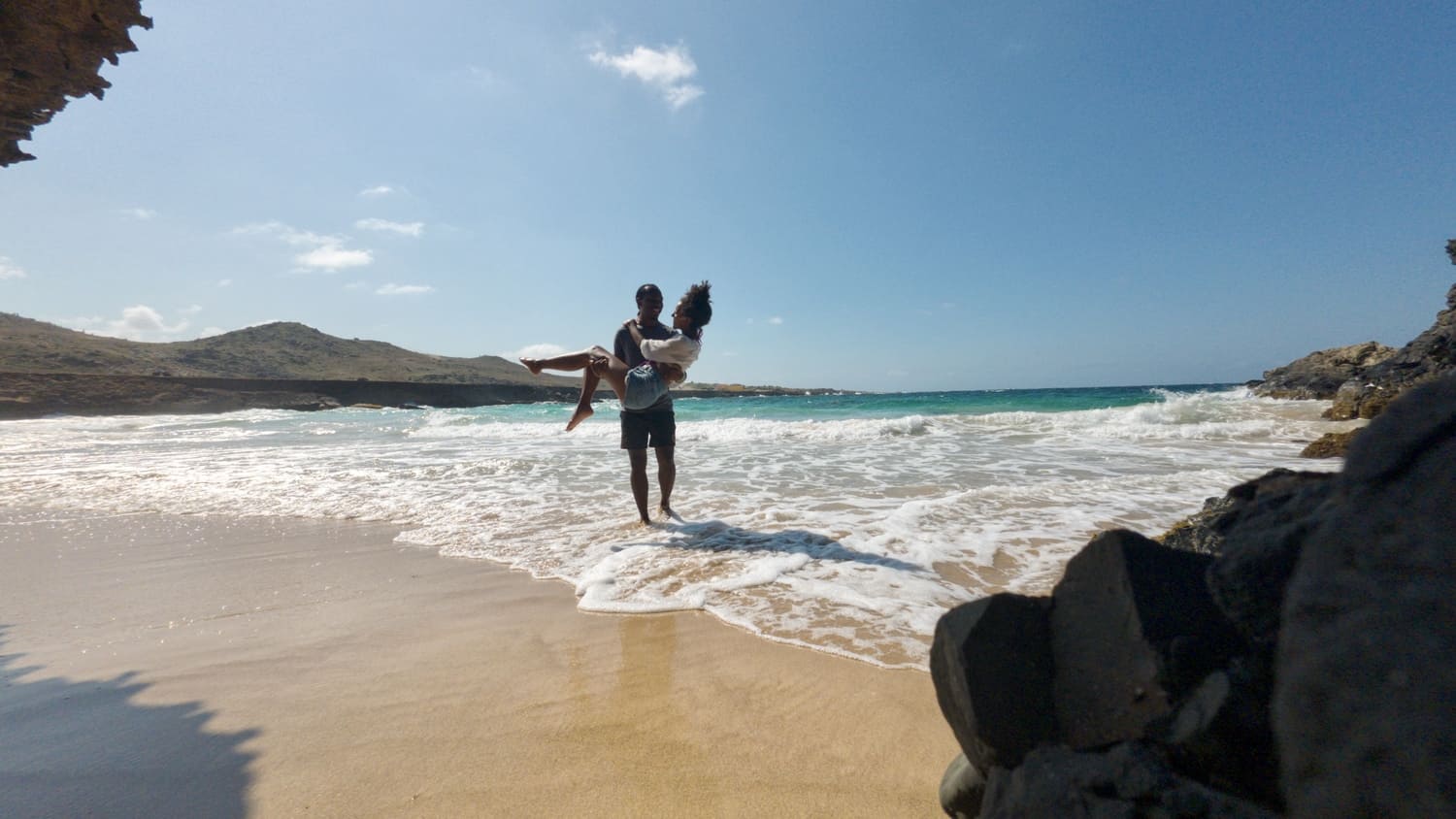
White powdery sand, that impossibly clear blue water, and every single beach on the island is free and public, from low-key stretches to the one where you can watch planes fly directly overhead.

That said, it’s not a landslide, Curaçao has some heavy hitters.
They’re more low-key, the water is just as clear, extremely blue, though a few beaches are rockier and a couple, like Cas Abou, charge a small entrance fee.
Snorkeling and Diving: Which Island Wins?
Flip the category, and Curaçao takes it.
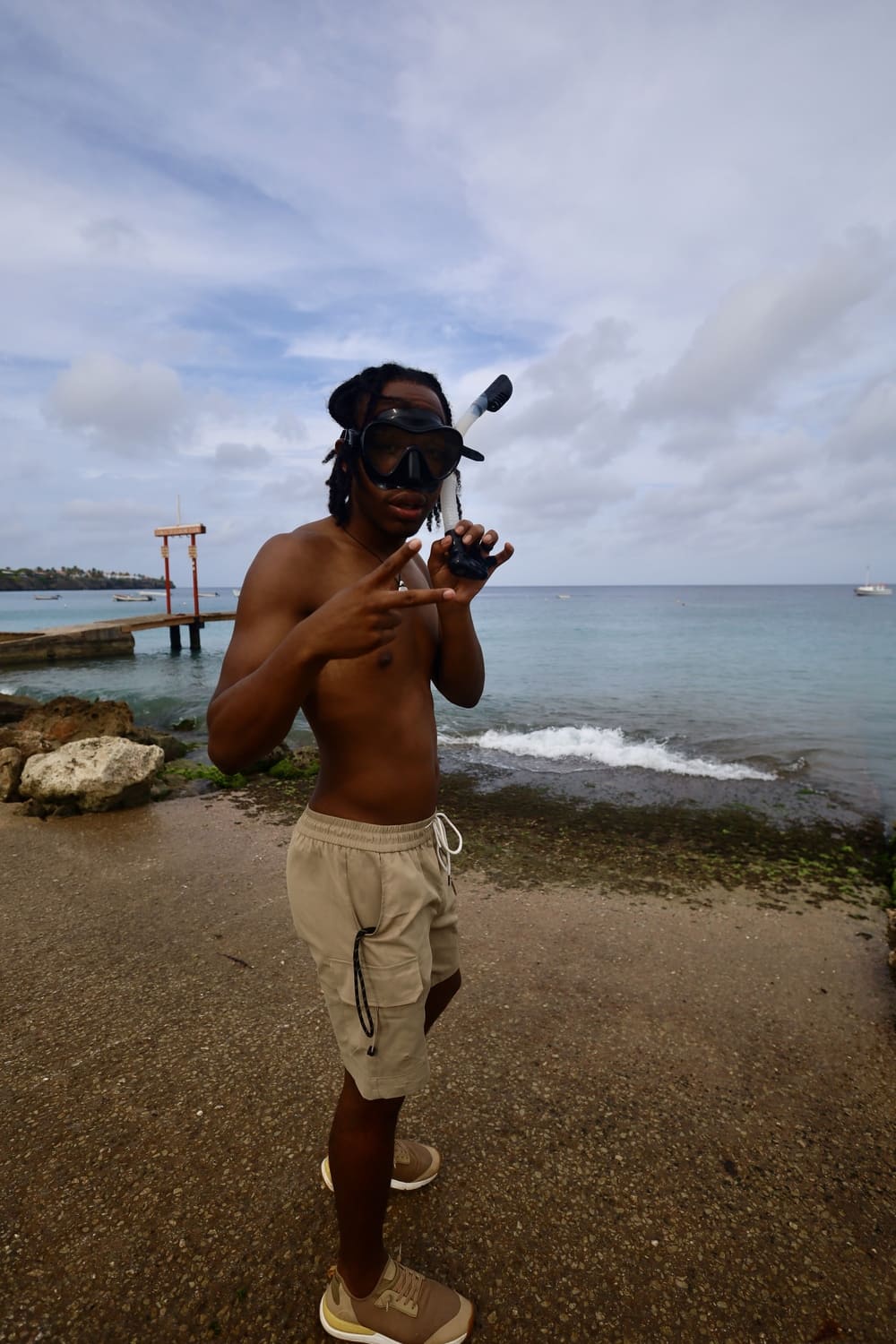
Playa Piskadó and Klein Curaçao delivered noticeably more abundant marine life.
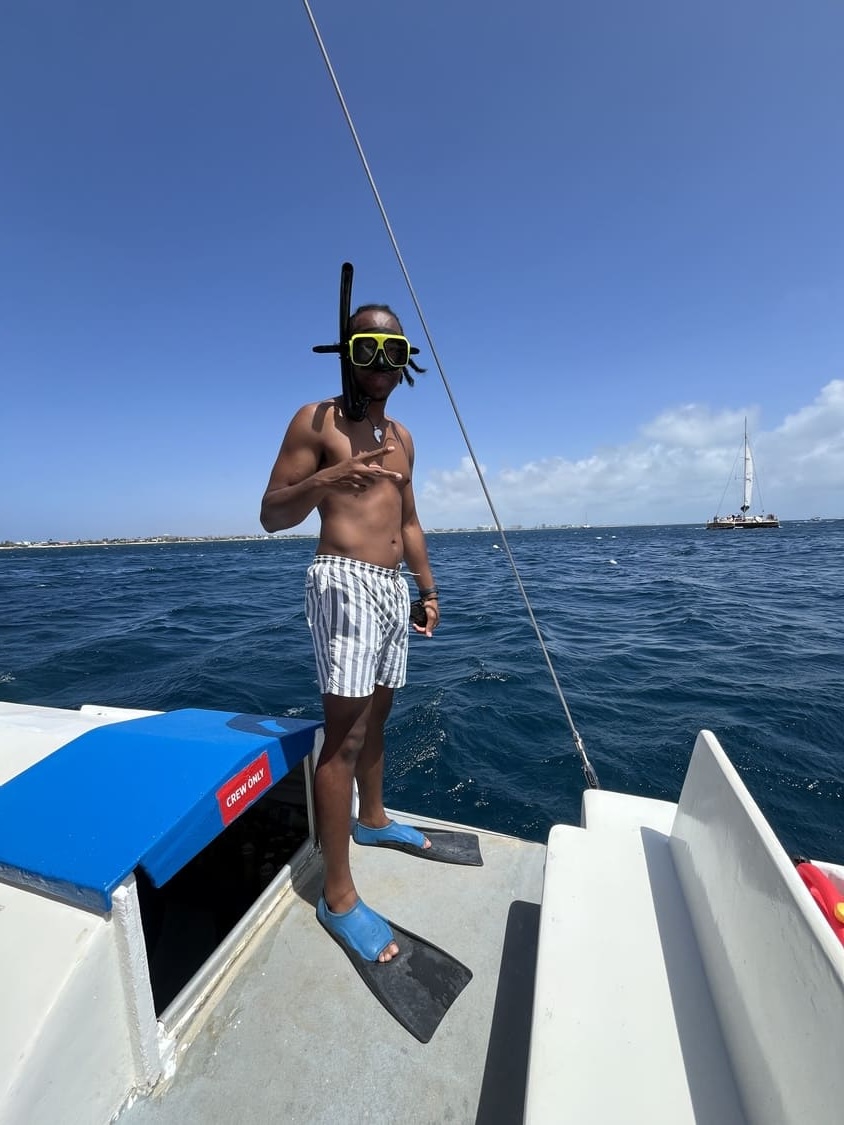
We went back to Playa Piskadó a second time, just to bring friends along to snorkel with the turtles there.
That said, Aruba gave us one of the single best snorkeling experiences either of us has ever had: diving the Antilla shipwreck, and a genuine bucket-list dive in the Caribbean.
Best Day Trips and Flamingo Beaches
On the water is where both islands shine for day trips, just in very different ways.
In Curaçao, Klein Curaçao is the one to do, arguably the bluest water we’ve seen anywhere in the Caribbean.
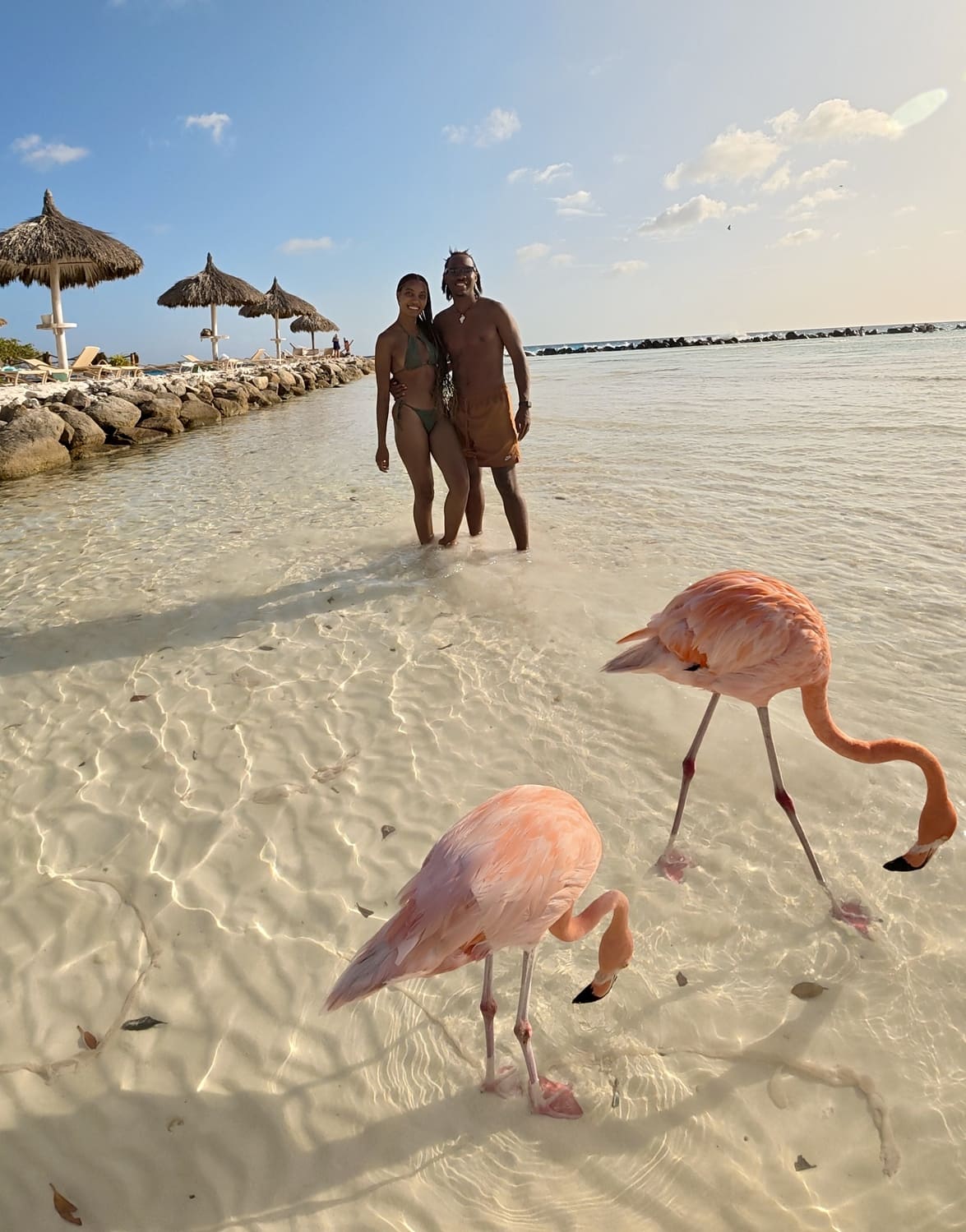
In Aruba, De Palm Island and Renaissance Island are the go-tos, especially if you want the flamingo beach experience.
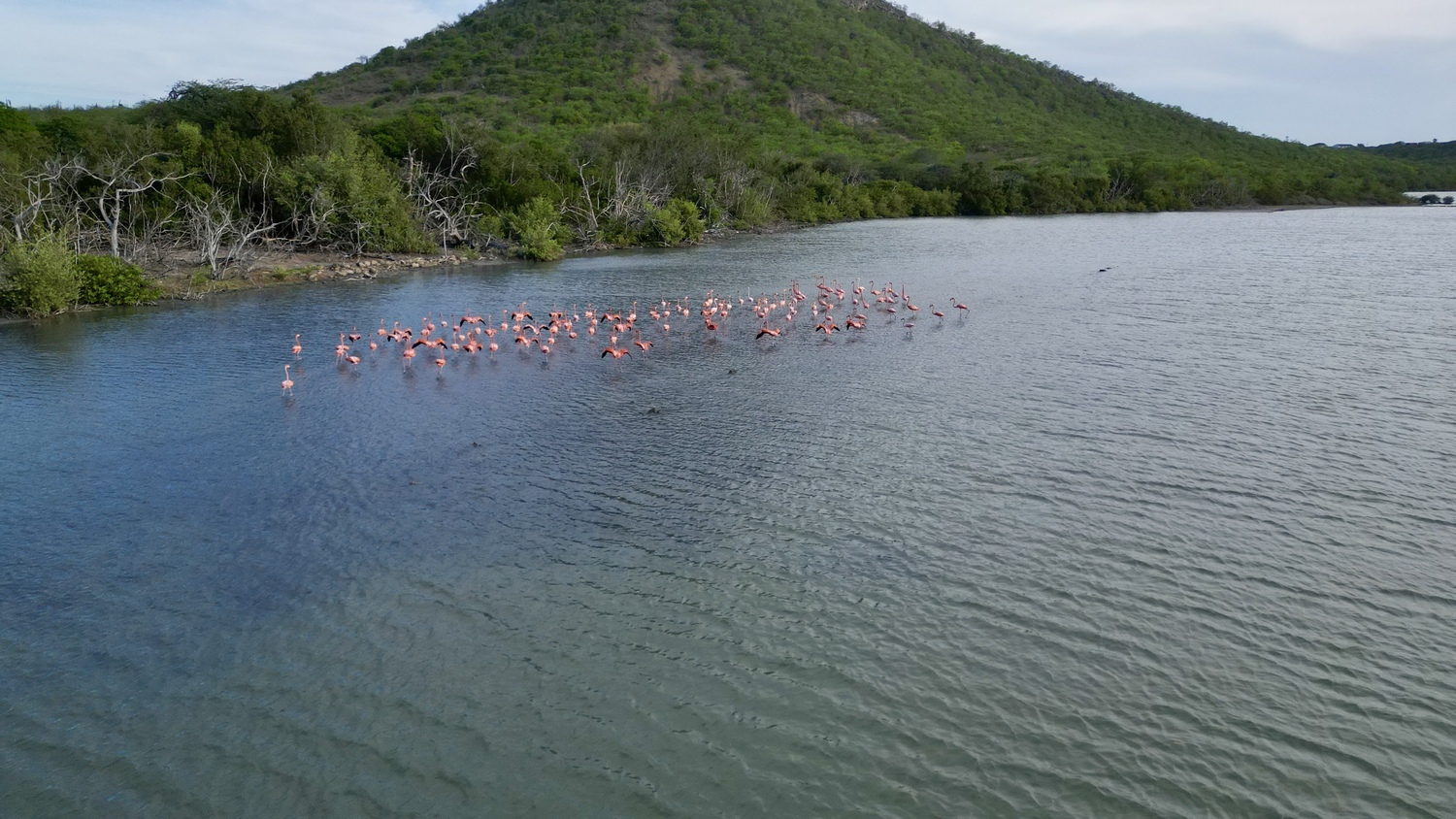
One flamingo detail worth knowing: Curaçao’s flamingos are free-flying and wild, unlike the flamingos in Aruba. It’s a completely different thing to witness in person than the usual flamingo pictures.
Cruise Ports: Aruba vs. Curaçao
The capitals are basically your cruise-day preview of the whole island.
Aruba’s port drops you right into Oranjestad, which leans into that same Americanized, built-for-tourists feel we mentioned earlier.
Easy, familiar, a lot of shopping.
Curaçao’s port puts you in Willemstad, and that Dutch, local character shows up immediately.
Colorful colonial buildings, the Queen Emma Bridge, and a much less resort-built vibe.
Curaçao’s capital was our personal preference between the two.

If you’re docked in Aruba and want to branch out beyond Oranjestad for the day, De Palm Island and Renaissance Island are both easy, close options depending on what kind of day you’re after.
We’ve got a full De Palm vs Renaissance breakdown if you want help picking between those two flamingo beaches.
Food: Which Island Wins?
We’re giving this one to Aruba, but with a real caveat: we stayed all-inclusive in Curaçao, so most of our meals there came from the resort, not the island’s actual restaurant scene.
In Aruba, we ate out far more and tried a real range of local spots (linking our actual Aruba restaurant picks here).
So take the win with that asterisk attached, it’s not a fully fair fight.

One thing both islands got right, though: papaya hot sauce!!
Put it on whatever you order, either island, it belongs on everything. (if you like to spice things up!)
Safety
We felt safe every time we visited either island. We never had an incident or even a close call on either one to actually compare.
A few general habits we’d recommend no matter which island you pick: don’t leave valuables visible in a rental car, use the room safe for passports and extra cash, and keep a digital copy of your ID and travel documents somewhere separate from the originals.
We also always travel with SafetyWing for travel medical coverage, not because anything’s ever gone wrong for us, but because it’s affordable enough that there’s no real reason to skip it, and it’s exactly the kind of thing you want already sorted before you need it, not after.
Frequently Asked Questions
Which of the ABC islands is best? We’re only comparing two of the three here, Bonaire’s a separate conversation, but between Aruba and Curaçao specifically, it depends on what you’re optimizing for: beaches and ease (Aruba), or snorkeling and budget (Curaçao).
What’s so special about Curaçao? The wild flamingos, the hillier landscape with real cliff jumping, and a local, Dutch-Caribbean-Spanish feel that feels ever-present.
What should you beware of in Aruba? The mandatory $20 online entry fee (required before you fly, no exceptions), the wind, and a cost of living that runs noticeably higher than Curaçao’s.
How to Visit Both Islands
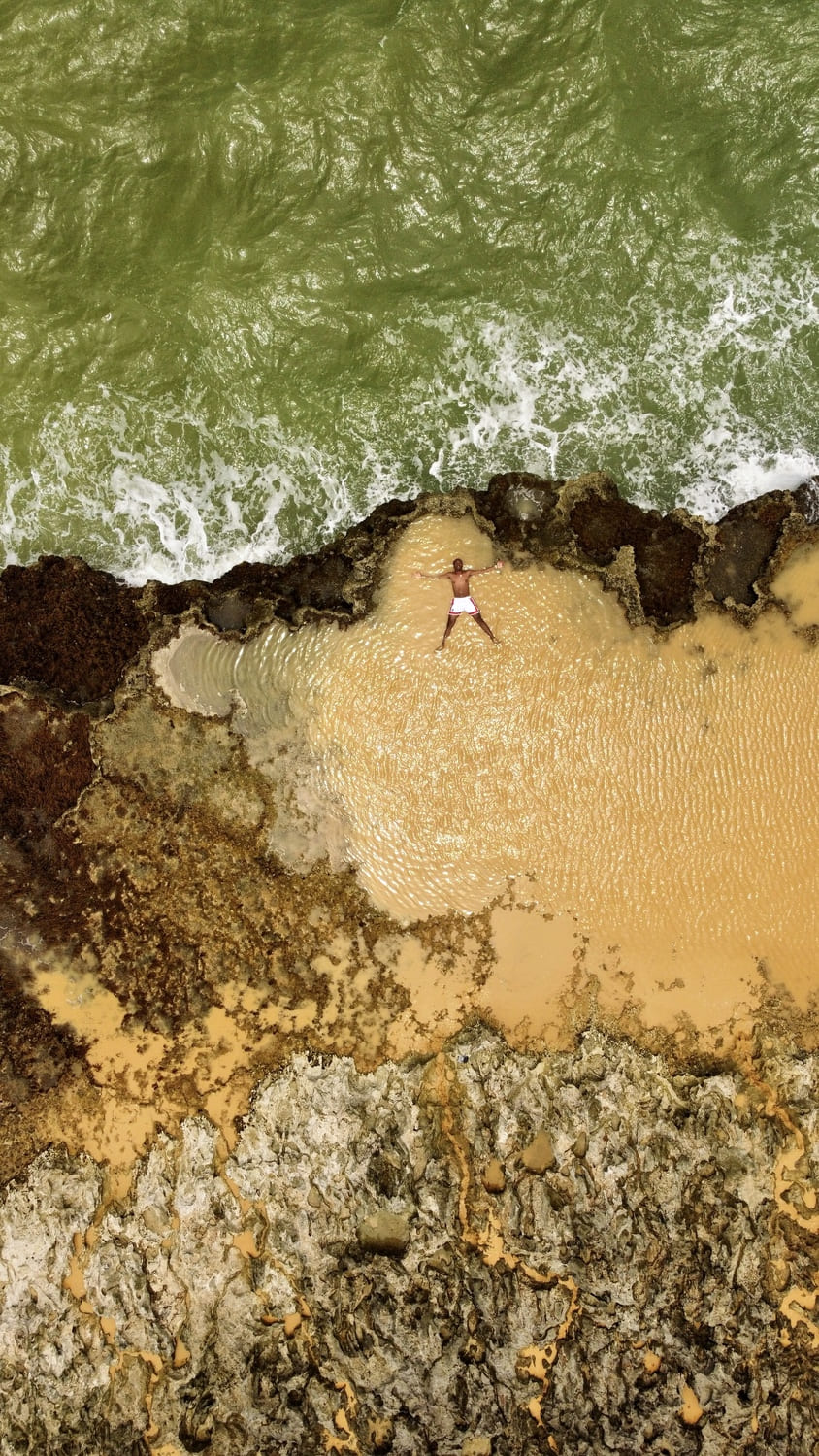
You don’t have to pick just one trip.
There’s no ferry between the islands, so it’s either a quick 30-45 minute flight (roughly $150-300 round trip depending on season and airline) or a Southern Caribbean cruise itinerary, many of which stop at both, and sometimes Bonaire too.
We didn’t do them back to back either, Aruba came first, Curaçao came years later on a separate group trip, and that’s a completely realistic way to approach it if your travel dates from home line up better that way.

Final Verdict: Which One Should You Book?
Aruba gives you the better beaches, the bigger tourist infrastructure, and the higher price tag, it’s the classic beach dream destination.
Curaçao gives you better snorkeling and diving, a more low-key and authentic feel, and it’s the more affordable option if budget matters more for this trip.
As for us, we keep going back to Aruba, twice now, and we’re already talking about when we’ll get back to Curaçao too. Both made the cut.
Aruba’s just won more of our actual bookings so far.
If you’re already in planning mode, we go a lot deeper in our Explore Aruba and Explore Curaçao digital guides, real itineraries, exact spots, and everything that didn’t fit into one blog post.