
Rio de Janeiro is safe enough for most travelers who plan ahead, but it rewards preparation: you need an e-Visa as an American, you should use Uber at night, and you should pick your neighborhood carefully. Here’s everything we’d want you to know before you land.
Disclosure: This post may contain affiliate links, which means we’ll receive a commission if you purchase through our links, at no extra cost to you. Please read full disclosure for more information.
Last updated October 2026.
Rio de Janeiro is one of those cities people think they understand before arriving.
Beaches, views, energy.
What matters more is how it actually works on the ground.
Neighborhoods feel very different from one another.
Safety depends on where you are and when.
And a few small decisions can shape your experience more than you expect.
Some things matched what we expected. A few things surprised us.
This guide breaks down what you should know before visiting Rio, based on our time navigating the city ourselves.
If Rio is on your itinerary, this will help you understand how the city really works before you land.
What Surprised Us About Rio de Janeiro
Before arriving, we expected Rio to feel a bit chaotic and overwhelming.
What surprised us was how neighborhood-dependent everything felt.
Copacabana and Ipanema were more relaxed earlier in the day, Uber was inexpensive and easy to use, and most tourist areas felt organized rather than chaotic.
We were also surprised by how physically demanding the city can be.
Between hills, stairs, and heat, Rio requires more energy than it looks like it will on Instagram.

RELATED ARTICLE: Ultimate Carry On Packing List
How to Get to Rio de Janeiro: Airports (GIG vs. SDU)
When flying to Rio de Janeiro, you’ll arrive at either Galeão International Airport (GIG) or Santos Dumont Airport (SDU).
GIG is the larger airport, located about 12 miles (20 km) from Rio’s downtown area, while SDU is closer, just 1 mile (2 km) away.

If you’re flying domestically within Brazil, like from São Paulo, you’ll likely arrive at SDU, Rio’s domestic airport. However, international flights will land at GIG, the city’s only international airport.
We flew from JFK Airport in New York for $430 USD per person roundtrip with Avianca Airlines, landing at GIG.
It took about an hour by Uber to reach our Airbnb in Leblon, costing $17.51 USD.
Looking for flight deals for when you travel to Rio de Janeiro?
Download our free resource with the top 9 ways to find cheap flights by signing up below!
Do Americans Need a Visa for Rio de Janeiro, Brazil? (2026 e-Visa)
Yes. U.S. citizens need an e-Visa before flying to Brazil. Brazil reinstated the visa requirement for Americans on April 10, 2025.
- Cost: US$80.90
- Validity: 10 years, multiple entries
- Stay: Up to 90 days per year
- Processing: Up to 10 business days once your application is verified. The official portal recommends applying two months before your trip.
- No visa on arrival. Print your approved e-Visa and carry it with your passport.
- Apply only here: the official Brazil e-Visa portal
For the full walkthrough, read our Brazil e-Visa guide for U.S. citizens.


Language in Rio de Janeiro: Do People Speak English?
Portuguese is the official language of Brazil.
At first glance, I assumed my Spanish skills would help, given Brazil’s proximity to Spanish-speaking countries in South America.

But Portuguese sounds quite different, and only about 4% of people in Brazil speak Spanish.
To make matters trickier, many locals don’t speak English either.

Thankfully, the Translate app was a lifesaver, helping us communicate throughout our time in Rio.
I definitely recommend that you use either the Translate app or Google Translate during your time in Rio if you’re unfamiliar with Portuguese.

Currency in Rio de Janeiro: Do You Need Cash?
Brazil’s currency is the Brazilian Real (BRL). Check the current exchange rate before you go, since it moves.
When we arrived in Rio, we withdrew 700 reals from an ATM with our Charles Schwab debit card, which reimburses ATM fees and has no foreign transaction fees.
But we rarely used cash, since credit cards were accepted almost everywhere, even by small vendors on the beach.

A few places, like BB Lanches, were cash only, so keep a little on hand. Bring a credit card with no foreign transaction fees, and when paying, always choose the local currency for the best exchange rate.
Best Time to Visit Rio de Janeiro (Weather & Carnival 2027)
Rio is warm year-round. The hottest months are November through March, with temperatures sometimes exceeding 100°F (43°C). June through August is cooler, with highs around 80°F (26°C).
Carnival 2027: The Special Group parades at the Sambadrome are February 7 to 9, 2027, with the Champions Parade on February 13. Carnival wraps up before Ash Wednesday (February 10), which is earlier than usual this year. It’s peak season, so expect higher prices and large crowds, and book your hotel early with a refundable rate.

For fewer tourists and milder weather, consider visiting in April, May, September, or October during the shoulder season.
If you prefer cooler temperatures, Rio’s winter months from June to August offer highs around 80°F (26°C).
Is Rio de Janeiro Safe for Tourists? How to Stay Safe
Rio has areas that need extra caution, and the U.S. State Department currently lists Brazil at Level 2, “Exercise Increased Caution.” Its most recent update (August 31, 2026) cites crime and kidnapping, and it says assaults, including with sedatives or drugs placed in drinks, are common, especially in Rio. It also says criminals sometimes target foreigners through dating apps or at bars, and it advises care at transit hubs and on public transport, particularly at night.
We stayed in Leblon in March 2024 and returned to Rio in November 2025, stuck mainly to well-populated areas during the day, and felt safe throughout both of our trips to Rio.
But we were also deliberate about it. Here’s what we’d do:
- Watch your drink. Don’t leave it unattended or accept one from a stranger.
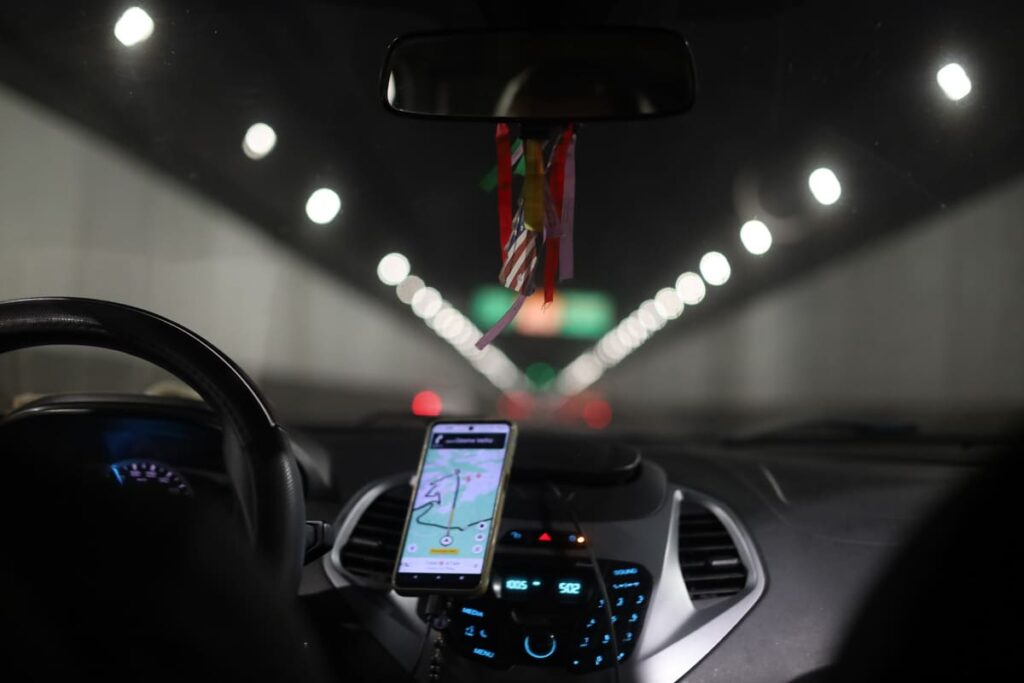
- Use Uber at night. It’s affordable and was our main way to get around.
- Don’t bring valuables everywhere, and keep your belongings with you at the beach. Waterproof bags and fanny packs help.
- Leave expensive jewelry at home.
- Don’t explore favelas on your own. Visit with a local guide if you want to go.
- If you’re held up, don’t fight back. Hand over what they ask for.
- If a situation feels off, leave.
- Get travel insurance. The State Department highly recommends it. We use Safety Wing.
Get a quote for your SafetyWing travel medical insurance plan here before your Rio trip.
Read the official State Department advisory for Brazil before you go, and check your own government’s guidance.

How to Get Around Rio de Janeiro: Uber vs. Metro
While Rio has many walkable areas, not all routes are ideal for walking.
Google Maps might show a straightforward path from point A to point B, but in reality, some routes may take you through favelas with steep hills and many stairs.

We experienced this firsthand—it was daylight, and we reached our destination safely, but we wouldn’t recommend taking unfamiliar routes through favelas, especially if you’re not familiar with the area.
For the most budget-friendly option, consider Rio’s subway system, the MetrôRio.
To use it, buy a Giro card at the self-service terminals in major stations. The card costs ~$2.19 USD, which includes a ~$0.81 USD deposit for the card and a single ride cost about $1.39 in 2024.

A single journey on the metro costs ~$1.39 USD. The MetrôRio is known for being clean, air-conditioned, and safe.
That said, Uber is actually our top recommendation for getting around Rio. It’s cheap, reliable, and safe.
Keep in mind that traffic tends to increase between 5-7 p.m. on weekdays, so allow extra time in your schedule or consider taking the metro during these peak hours.
Where to Stay in Rio de Janeiro: Best Areas
Rio offers a variety of accommodation options, and since it’s easy to get around, we recommend staying close to where most of your Brazil itinerary will take place.

Avoid staying in favelas, and make sure you understand the location of your accommodation before booking.
For beach lovers, Copacabana and Ipanema are prime spots.

We stayed in Leblon, which is close to Leblon Beach but also gives more of a city feel.
Since all these areas are easily accessible from one another, any of them are great choices—just pick the one that best suits your budget and travel style.
Where We Stayed and Hotels We Recommend:
Our top pick for a first trip is Leblon or Ipanema, and we break down every neighborhood, with hotels at every budget, in our full where to stay in Rio de Janeiro guide.
- The Airbnb We Stayed in (Leblon)
- Sheraton Grand Rio Hotel & Resort (Leblon)
- Miramar by Windsor (Copacabana)
- Ipanema Beach Hostel (Ipanema)

What to Pack for Rio de Janeiro
- antitheft day bag
- waterproof bag
- waterproof fanny pack
- swimwear
- light, breathable clothing
- comfortable walking shoes
- waterproof phone case
- universal power adapter
- sun visor or sun hat or bucket hat
- sunscreen
- bug spray
- reusable water bottle with filter straw (the tap water is not safe to drink in Rio)

Culture, Diversity & Lifestyle in Rio de Janeiro
Rio has a vibrant health-conscious culture. You’ll see workout stations scattered throughout the city, with locals staying active by exercising and playing sports along the beach.
Superfruits like açaí and cupuaçu are also popular, contributing to the healthy lifestyle.

We noticed a lot of diversity as soon as we arrived.
Brazil has the largest Black population outside of Africa, so you’ll find people of all shades here.
The diversity helped us feel more comfortable, and we felt like we fit right in.
In other parts of Brazil, particularly in Bahia, Afro-Brazilian culture becomes even more central to the city’s identity.
In Salvador, for example, it shapes the architecture, cuisine, music, and daily rhythm in a very visible way.

What to Eat in Rio de Janeiro (Açaí, Cupuaçu & More)
Rio is a foodie’s paradise, with lots of meats and superfruits to try.

Some must-eats include pão de queijo (cheese bread), açaí, cupuaçu (my personal favorite superfruit), pastel (similar to an empanada), and feijoada, Brazil’s national dish—a black bean and meat stew.

Our favorite spots to eat were ASA Açaí for açaí bowls, though the cheapest ones are from the vendors right on the beach.

For brunch, Nusa Café was a hit, and the best dinner we had was at Yaya Comidaria Pop Brasileira.

Also, don’t leave without trying a caipirinha, Brazil’s famous cocktail made with cachaça, lime, sugar, and ice!

Best Things to Do in Rio de Janeiro
If you’re planning a trip, you’ll want to know exactly what to do in Rio de Janeiro. Here are some of our top picks, and you can see our full list with prices and tips in our 14 best things to do in Rio de Janeiro.

Here’s some of our top picks:
- Visit the iconic Christ the Redeemer statue at the summit of Mount Corcovado, named one of the New Seven Wonders of the World in 2007. Book your ticket in advance and choose the earliest time slot you can (we recommend 8 AM) to beat the crowds. Heads-up: the escalators up to the statue’s platform were switched off on August 3, 2026 for renovation, with the work expected to finish by the end of May 2027. Visitors now climb about 80 stone steps at the end, and the site is running at 50% lower capacity.
- Take the Sugarloaf Mountain cable car to the summit of this UNESCO World Heritage Site for panoramic views of the city.
- See the colorful Escadaria Selarón steps, an iconic spot best visited early in the morning to avoid crowds.
- Relax at world-class beaches like Copacabana and Ipanema, famous for their sunsets.
- Catch the sunset at Arpoador, the rocky point between Ipanema and Copacabana, where locals and visitors gather every evening to watch the sun go down.
- For an unforgettable sunrise, head to Mirante Dona Marta for incredible city views.
- Explore the Museum of Tomorrow (Museu do Amanhã), a science museum focused on sustainability and humanity’s impact on the future.
- Try out some water sports and take a surfing lesson.
- Stroll through the beautiful Jardim Botânico.
- Wander through Parque Lage, a mansion surrounded by lush gardens at the foot of Corcovado, and a good spot for photos and a coffee break.
- If you’re up for hiking, tackle Pedra do Telégrafo or Pedra da Gávea for breathtaking views.
- Get a new perspective of Rio with a helicopter ride or try hang gliding for an adrenaline rush.

How Many Days Do You Need in Rio de Janeiro?
A minimum of 3 days is recommended to spend in Rio de Janeiro, but you can easily spend weeks exploring Rio! (Take as much time as your PTO allows!)
Three days covers the highlights, and five days lets you add hikes, samba, and a slower pace. See our 5-day Rio itinerary.

FAQ
Is Rio de Janeiro safe for tourists? Rio is doable if you plan ahead. The State Department lists Brazil at Level 2, “Exercise Increased Caution,” and flags drink-spiking in Rio. Use Uber at night, watch your drink, keep valuables out of sight, and avoid favelas without a guide.
Do Americans need a visa for Brazil? Yes. U.S. citizens need an e-Visa (US$80.90) before flying. It’s valid for 10 years. See our e-Visa guide.
What is the best time to visit Rio de Janeiro? April, May, September, and October have milder weather and fewer crowds. November through March is the hottest, and Carnival 2027 parades are February 7 to 9.
Do people speak English in Rio? Not widely. Portuguese is the official language, and Spanish isn’t much help. We used the Translate app throughout our trip.
Do I need cash in Rio? Rarely. Cards were accepted almost everywhere, even by small beach vendors, but a few places are cash only.
Is Uber safe in Rio? Uber was our main way around and our top recommendation. Most rides were about $3.
Where should I stay in Rio? Leblon, Ipanema, or Copacabana for a first trip. See our where to stay in Rio guide.
How many days do I need in Rio? Three days minimum for the highlights, and five days for a more relaxed trip.
Read Next: 5-Day Rio Itinerary | Where to Stay in Rio | Things to Do in Rio | Brazil e-Visa Guide