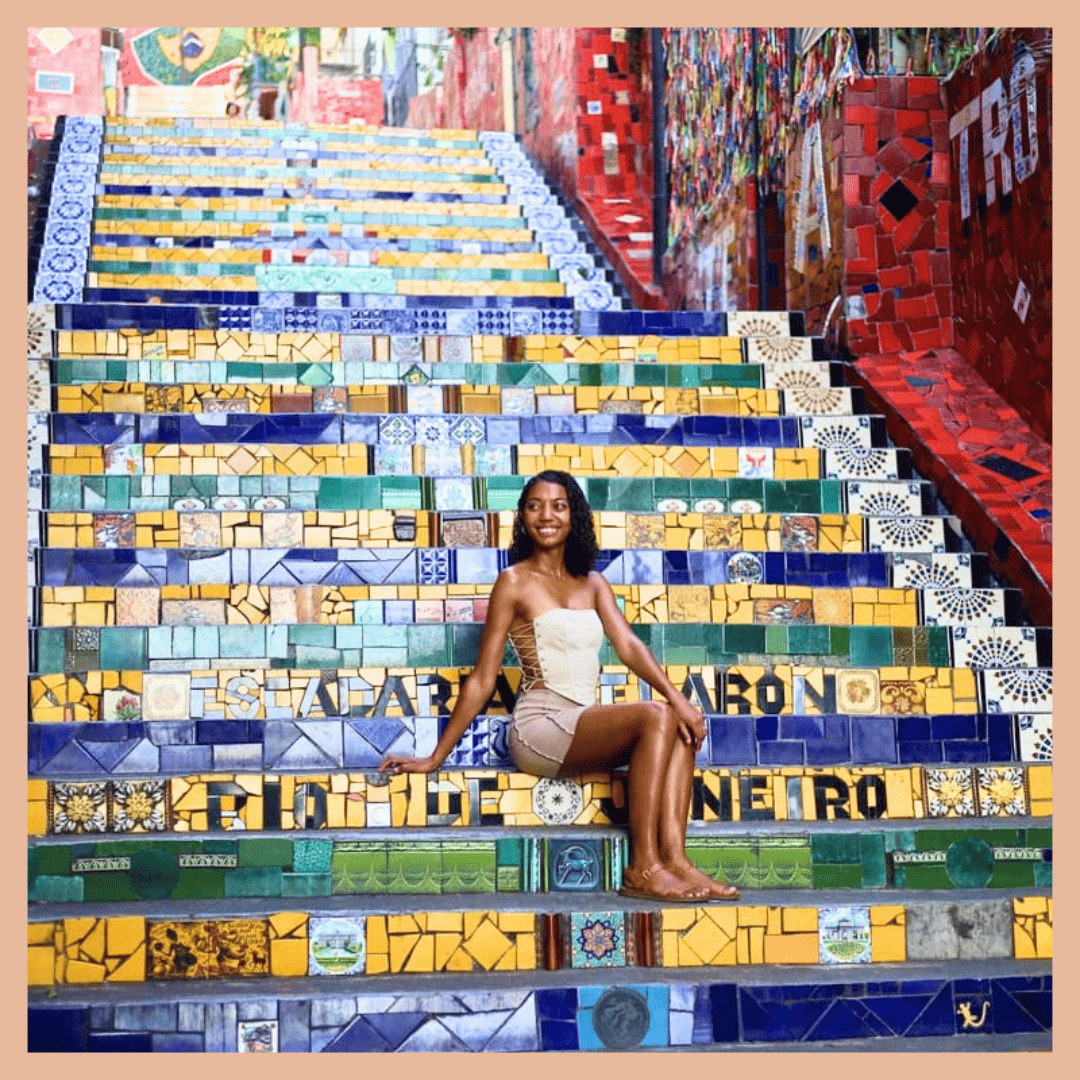
The best things to do in Rio de Janeiro, from the big icons to free sunsets and a Monday-night samba party. Plus real prices, honest tips, and what we’d do again.
Disclosure: This post may contain affiliate links, which means we’ll receive a commission if you purchase through our links, at no extra cost to you. Please read full disclosure for more information.
The best things to do in Rio de Janeiro are the Sugarloaf cable car at sunset, Christ the Redeemer on a clear morning, the Selarón steps, Arpoador for sunset, Parque Lage, and a samba night at Pedra do Sal. Many of the best things are free.

We’ve now been to Rio twice, and this is what we’d do again. It’s not everything the city has to offer, just the best of it. It’s the things that were worth our time, with what they cost, how long they take, and what we’d do differently.
Watch our Rio things to do video:
Heads-up for 2026: US citizens now need an e-Visa to enter Brazil (here’s how to apply).
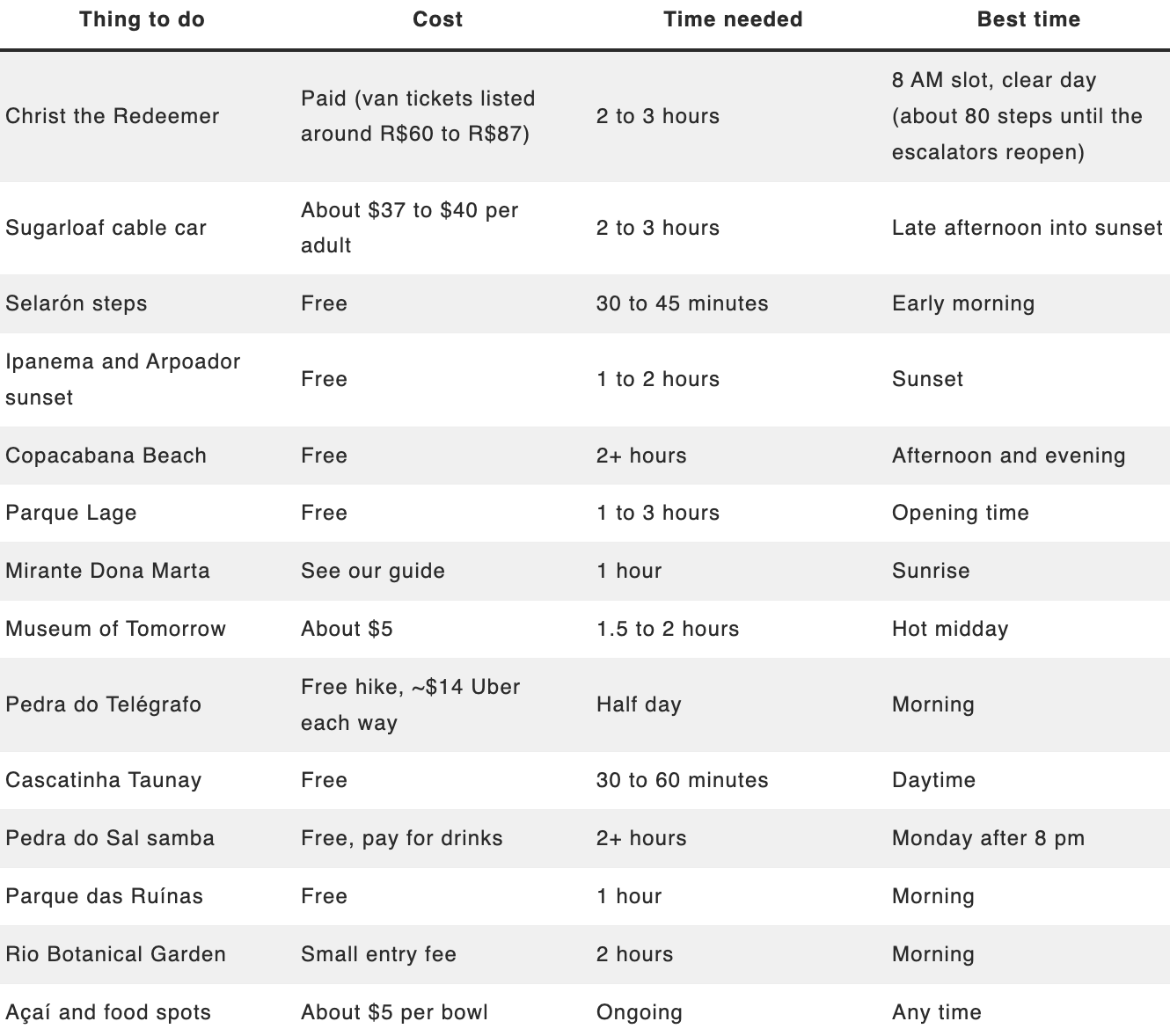
The Best Things to Do in Rio at a Glance
1. Christ the Redeemer
Best for: Everyone. Time needed: 2 to 3 hours.
It’s the statue at the summit of Mount Corcovado, named one of the New Seven Wonders of the World in 2007, and it’s bigger and more impressive in person than I expected. The statue was completed in 1931.
Two things matter more than anything else here: the weather and the date.
- Go on a clear day. If you can’t see the statue from below, you won’t see it up close either. We checked the view from Mirante Dona Marta first, and it was clear.
- Know about the renovation. The escalators up to the platform were switched off on August 3, 2026, and the replacement work is expected to finish by the end of May 2027. For now, you finish the climb on about 80 stone steps, and the site is running at roughly half its usual capacity. (When we first visited in 2024, the escalators were running.)

What that means for your plans: buy your ticket in advance and pick the earliest slot you can, since there’s less room at the top. We’d recommend 8 AM. If stairs are a problem for anyone in your group, check the official site for the current accessibility options before you go.
How it works: You buy a ticket on the official Paineiras Corcovado site, take an air-conditioned van from the Paineiras Visitor Center up the curvy road (about 5 minutes), then head up to the platform. The ticket includes round-trip van transportation and entry. The visitor center opens at 7:20 am.

Price: The official van costs roughly R$60 to R$87 and the Corcovado train costs roughly R$107 to R$134, depending on date. In 2024, we paid about $17 each for the van.
2. Sugarloaf Mountain Cable Car
Best for: Views and sunset. Time needed: 2 to 3 hours.
Sugarloaf (Pão de Açúcar) is one of the most iconic sights in Rio. You take two cable cars, each about 3 minutes, with a first stop at Morro da Urca and then up to the summit. The views include Guanabara Bay, the beaches, and Christ the Redeemer.
Price: We paid about $33 per person in 2024. Current ticket listings run about $37 to $40 per adult.
Book ahead. We booked our tickets in advance, and there was a separate line for pre-booked tickets that moved quickly. You’ll need to re-scan your ticket each time you board, both up and down, so don’t lose it.



What we loved: The first stop has graffiti walls, great viewpoints, and a helicopter ride option. We even saw a monkey (don’t feed them). The summit is especially stunning at sunset, but expect crowds.
Getting there: We took a $6 Uber to Praia Vermelha, where the cable car begins. After, we ate nearby at Yaya, our favorite meal of the trip.



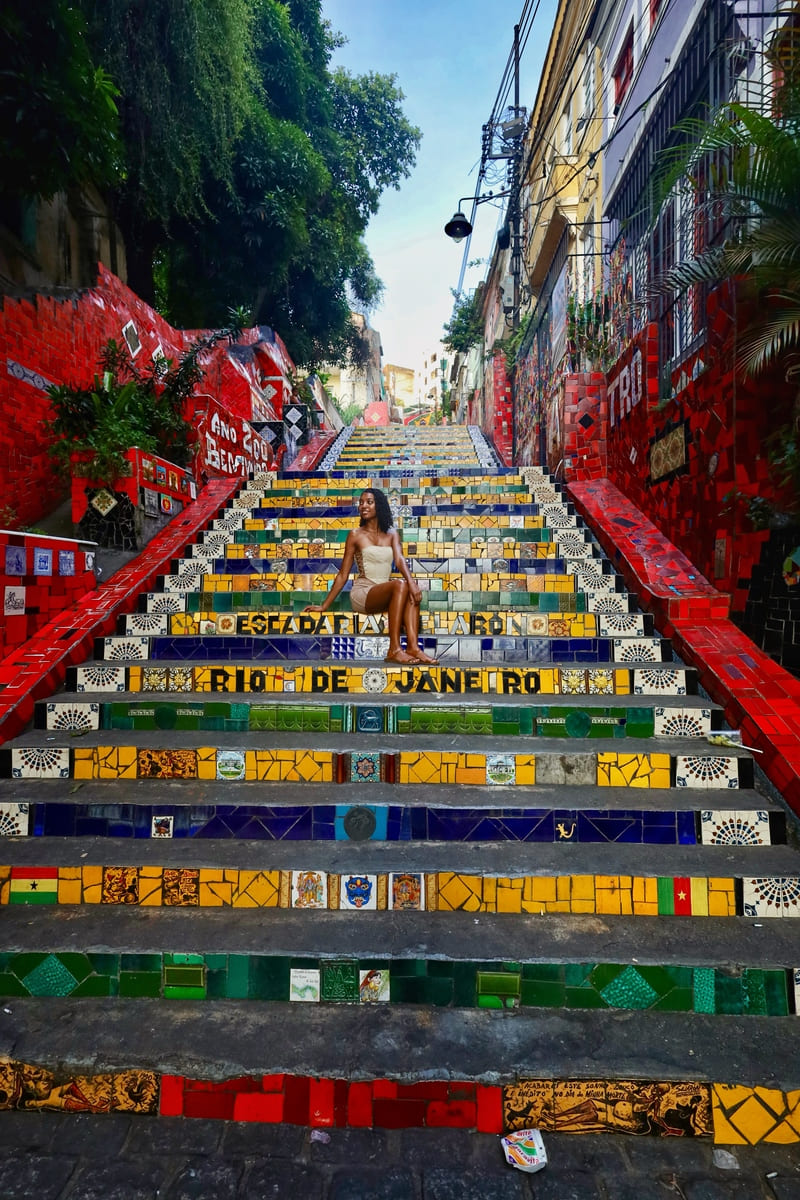
3. Escadaria Selarón (the Selarón Steps)
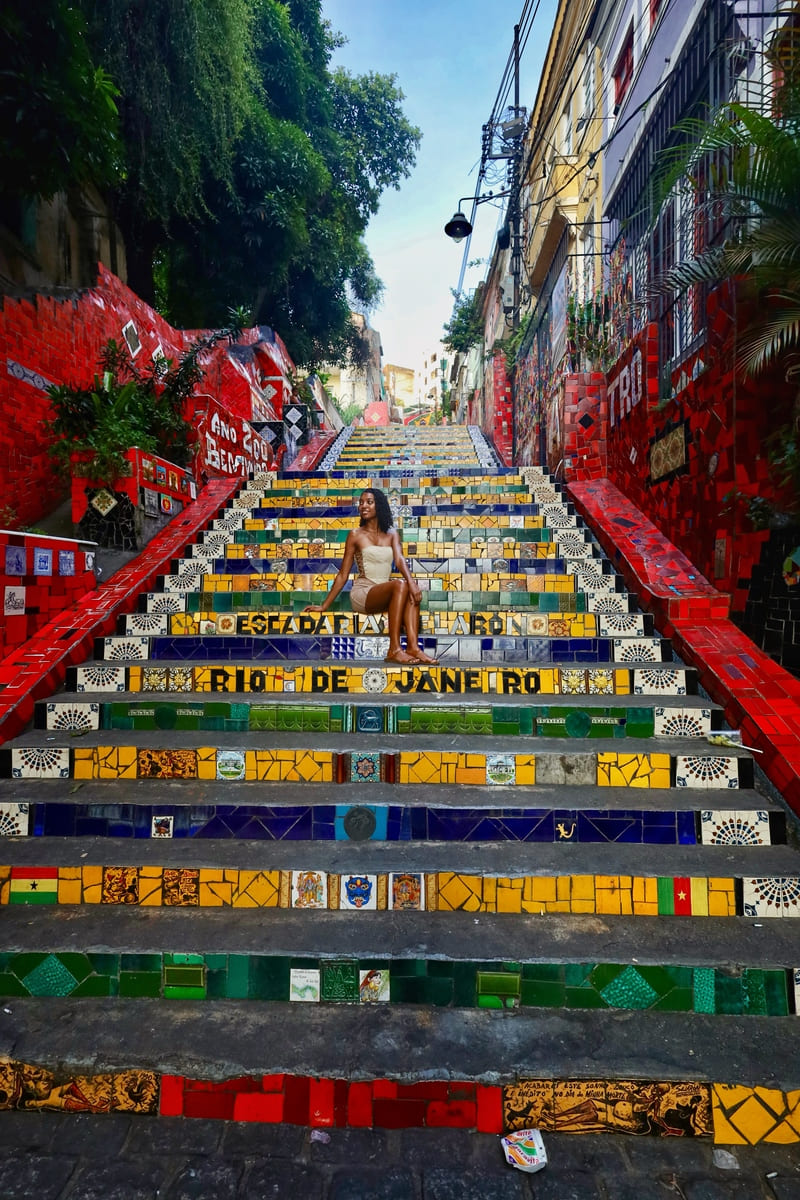
Best for: Photos, art, and history. Time needed: 30 to 45 minutes. Cost: Free.
These colorful steps were designed by the artist Jorge Selarón, and they’re also familiar from Pharrell and Snoop Dogg’s “Beautiful” music video (a childhood favorite of mine). Go early. We woke up early and had the steps much quieter.
For the full story and how to visit, read our Selarón steps guide.
Make it a Lapa morning: Right across from the entrance is Bar e Restaurante Os Ximenes, where we got fresh açaí. The famous Arcos da Lapa aqueduct is also in this neighborhood, and the Lapa murals are worth a look.
4. Ipanema Beach and Arpoador Sunset
Best for: Sunset. Time needed: 1 to 2 hours. Cost: Free.
Walk along Ipanema Beach, where vendors sell bracelets, paintings, and cangas. Keep going toward the end of the beach to reach Arpoador, a huge set of rocks where people gather to watch the sun set behind the mountains. As it gets dark, you’ll see the lights of the hillside favelas come on.
After sunset, lights come on over the rocks and vendors carry drinks, food, and even card machines. Most accept credit cards. The rocks can be tricky to climb down, so go slowly.
Chew Tip: Bring a credit card without foreign transaction fees. We hardly needed cash.



5. Copacabana Beach
Best for: People-watching, live music, and beach-day energy. Time needed: 2+ hours. Cost: Free.
Copacabana is the most popular beach in Rio. The boardwalk is lined with open-air restaurants, many with live music, and there are vendors everywhere. I bought a canga, and we tried street corn scraped right off the cob, with butter and seasonings added to taste.
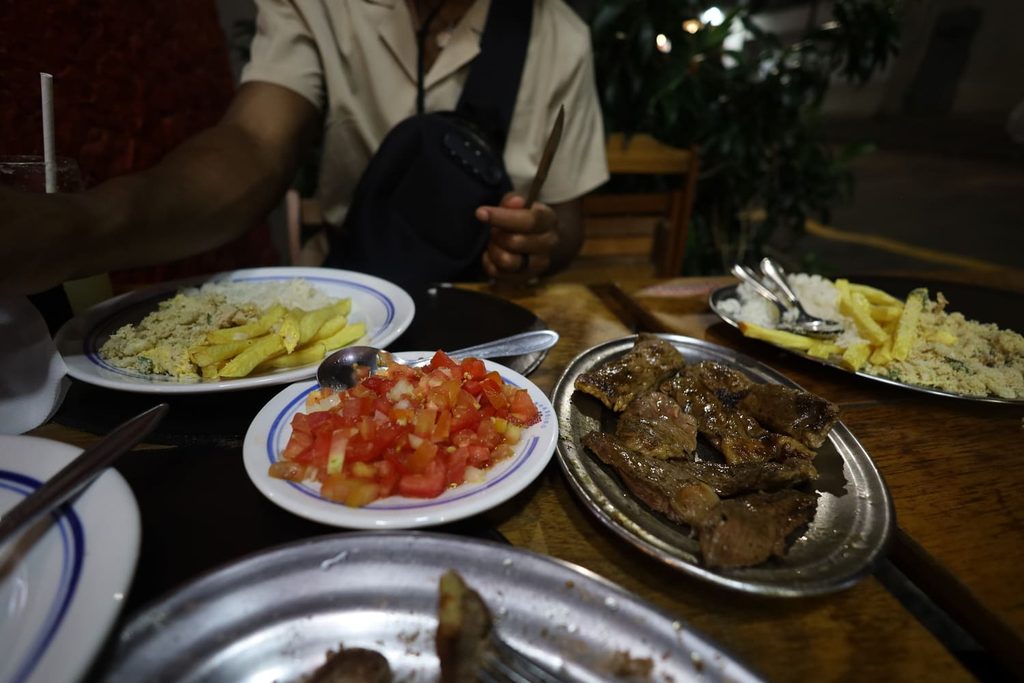
For dinner, we walked to Braseiro, a steakhouse near the beach, and spent about $19 for everything.
Where to stay: If you want a beachfront base, our where to stay in Rio guide breaks down Copacabana, Ipanema, and Leblon.


6. Parque Lage
Best for: Photos, gardens, and monkeys. Time needed: 1 to 3 hours. Cost: Free to enter the park.
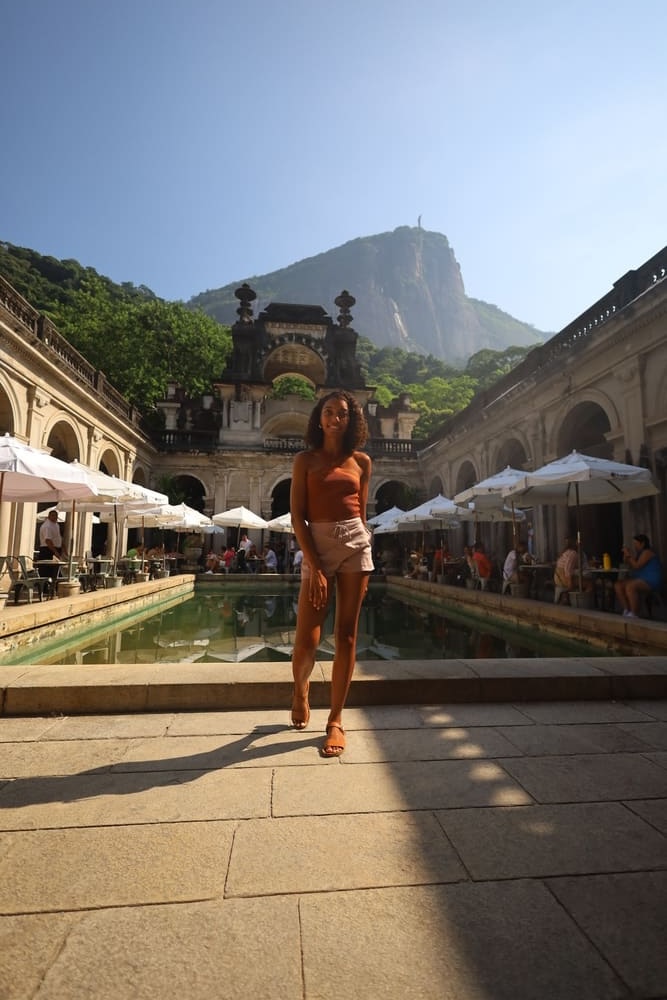
Parque Lage is a public park at the foot of Corcovado, built around an Italianate mansion that now houses an art school. The park is free to enter, and hours are typically around 9 am to 5 pm.
The cafe was the draw for us. We ate at Plage Cafe, a spot you might recognize from the party scene at the end of the “Beautiful” video. It’s currently closed for refurbishment.
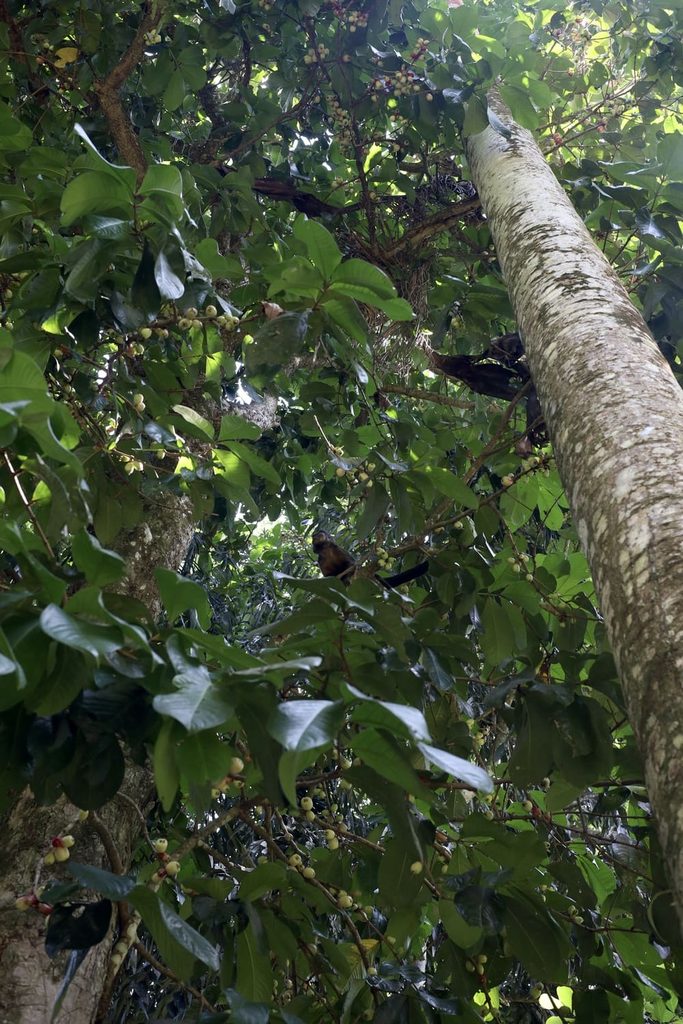
After eating, we walked around the park and saw monkeys in the trees tossing fruit down, so don’t stand right under them.
Combine it: The Rio Botanical Garden is a short walk away, so you can easily pair the two.
7. Sunrise at Mirante Dona Marta
Best for: Sunrise views and a clear look at Christ the Redeemer. Time needed: About 1 hour.
Waking up before sunrise might sound crazy, but this was the perfect start to a day. From Mirante Dona Marta, you can see Christ the Redeemer clearly, which is how we knew it was the right morning to go up. (However, you really should be booking your Christ the Redeemer ticket more in advance than same-day due to the 50% capacity while renovations are taking place)
We wrote a full guide on how to visit Mirante Dona Marta, including how to get the best photos.
Transportation tip: Arrange your ride onward in advance. Ubers were hard to find from here, and we were lucky that new friends gave us a lift.


8. Museum of Tomorrow
Best for: A hot day, architecture, and views. Time needed: 1.5 to 2 hours. Cost: About $5 per person
The Museu do Amanhã is a science museum about the origins of the universe and sustainability, and it’s housed in a striking futuristic building designed by the Spanish architect Santiago Calatrava. It’s open 10 am to 6 pm and closed on Mondays.
It was extremely hot when we visited in March, so we enjoyed the views through the floor-to-ceiling windows with the AC blasting. There’s a viewing deck, and you’ll find vendors selling açaí, clothing, and sandals outside. (Mine broke on the walk over, and I bought a new pair right there.)
Coffee break: Café Sterna, just up the street, was a perfect recharge spot for about $4.53.




9. Pedra do Telégrafo Hike
Best for: The famous “hanging off the edge” photo. Time needed: Half a day. Difficulty: Moderate.
This is the hike that looks like you’re dangling off a rock, and it’s one of the most popular photo spots near Rio. It’s about an hour from the city, and our Uber cost about $14.
What to expect:
- You’ll likely be offered a motorbike ride to the trailhead. We walked, but it’s not a bad idea in the heat.
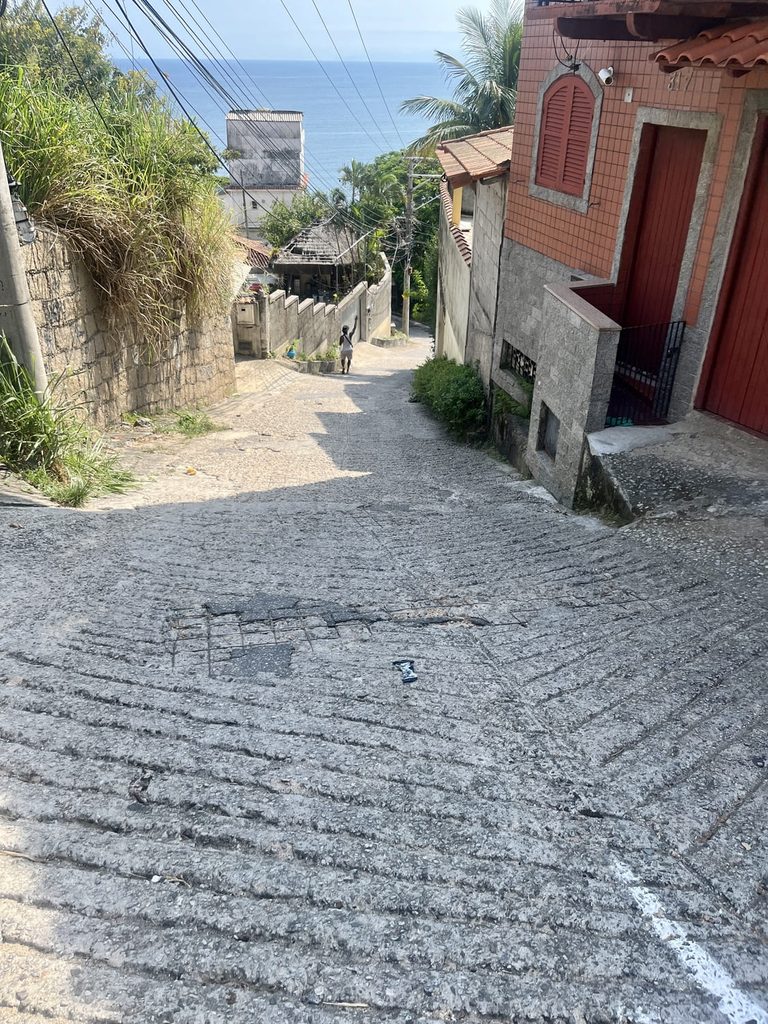
- The streets are very steep, and it took us about 20 minutes to reach the trail start.
- Follow the white arrows, then hike up and to the right for about 30 minutes. You’ll reach a sign and a small gate, then walk another 15 minutes.
- There’s often a line for photos. We went around 11 am and waited about 30 minutes. Many people go right after sunrise.
- A photographer on site takes photos for a small fee, or you can bring your own camera and angle it to hide the ground below you.
Bring water, since there’s no shade for much of it. Go in daylight, and consider going with a group or a guide.



10. Cascatinha Taunay Waterfall in Tijuca Forest
Best for: Nature without a hike. Time needed: 30 to 60 minutes. Cost: Free.
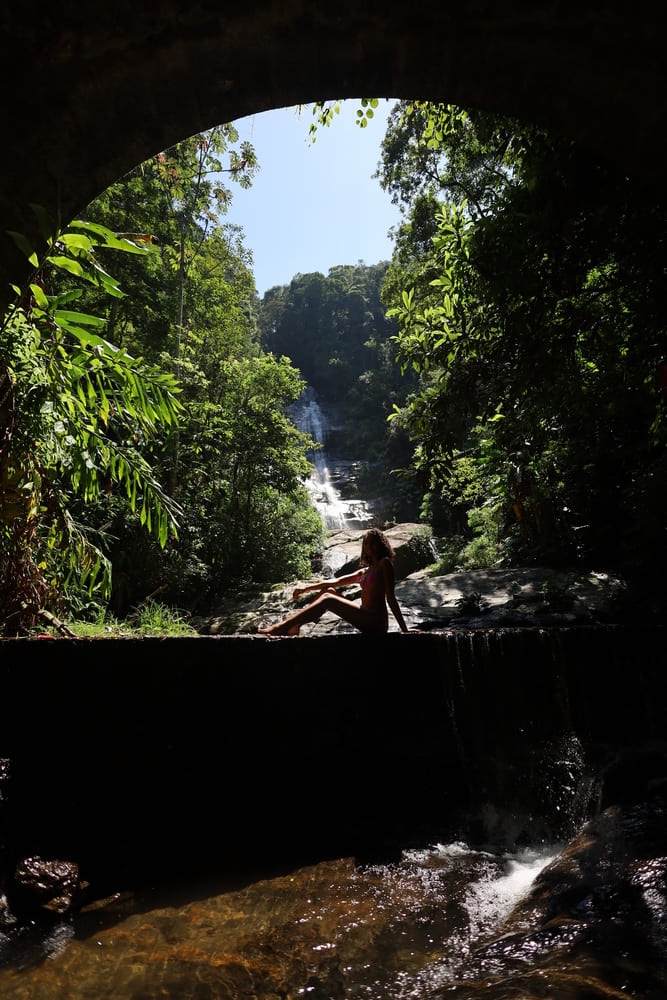
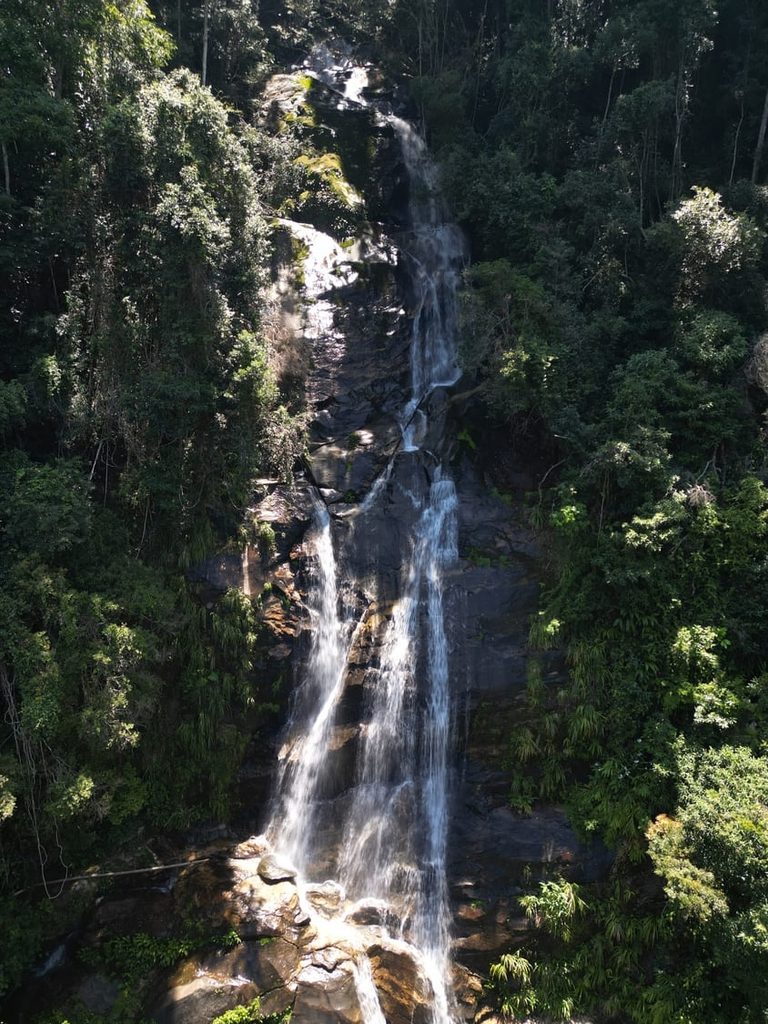
If you want to see Tijuca National Park without breaking a sweat, this is it. Our Uber dropped us near the entrance, and it was a 5-minute walk to the waterfall. It has multiple layers, and you can walk under a bridge for a better view of the larger falls. The water was cool and the setting was beautiful.
If you’re feeling more adventurous, there are other hiking trails in Tijuca Forest, but we’d only explore during daylight hours.
11. Samba at Pedra do Sal
Best for: Live music and local culture. Time needed: 2+ hours. Cost: Free, plus drinks.
Pedra do Sal is known for its lively samba scene every Monday after 8 pm (unless it rains). The area has a rich history: it was once a Quilombo village where freed slaves lived, and it’s been a major area for Brazilian music ever since.
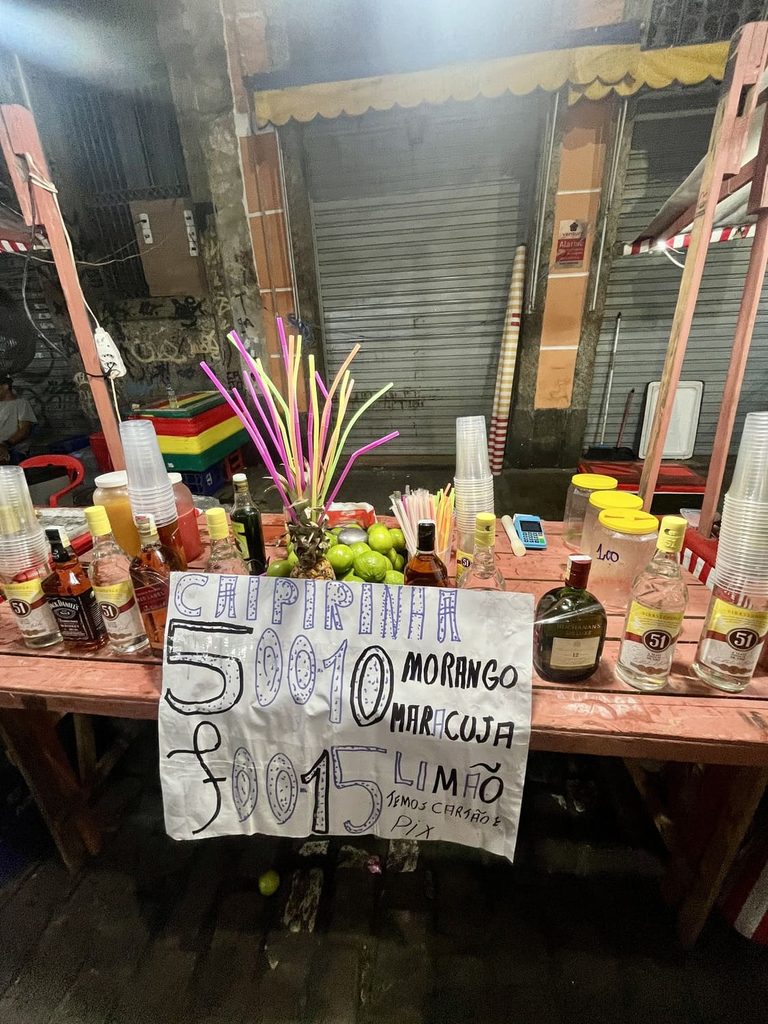
It’s like a massive block party. Grab a caipirinha and some street food, and watch the locals show off their samba skills. It was the perfect way to end our trip.
Be smart here. Bring nothing flashy or easy to grab. The State Department warns that drinks in Rio have been spiked, so keep your drink in your hand, don’t accept drinks from strangers, and take an Uber door to door.

12. Parque das Ruínas
Best for: Free views of Sugarloaf. Time needed: About 1 hour. Cost: Free.
This park is in the Santa Teresa neighborhood, and it’s an easy add-on to the Selarón steps. But the walk is no joke. Google Maps said 8 minutes, and it took us around 30 minutes up steep hills in the blazing heat.
It was a worthwhile stop: free entry, local vendors, and great views of Sugarloaf Mountain from the upper side next to the food stand. Take an Uber up if you don’t want to sweat it out.


13. Rio Botanical Garden
Best for: A calm, shady morning. Time needed: About 2 hours.
If hiking isn’t your thing, the Rio Botanical Garden (Jardim Botânico) is a beautiful alternative.
It’s known for its avenue of royal palms and views toward Corcovado, and it’s close to Parque Lage.

14. Eat Açaí, Cupuaçu, and Brazilian Food
Best for: Everyone. Cost: Cheap.
Eating in Rio is one of the best parts of the trip, and it doesn’t need to be expensive. Here’s what we’d do again:
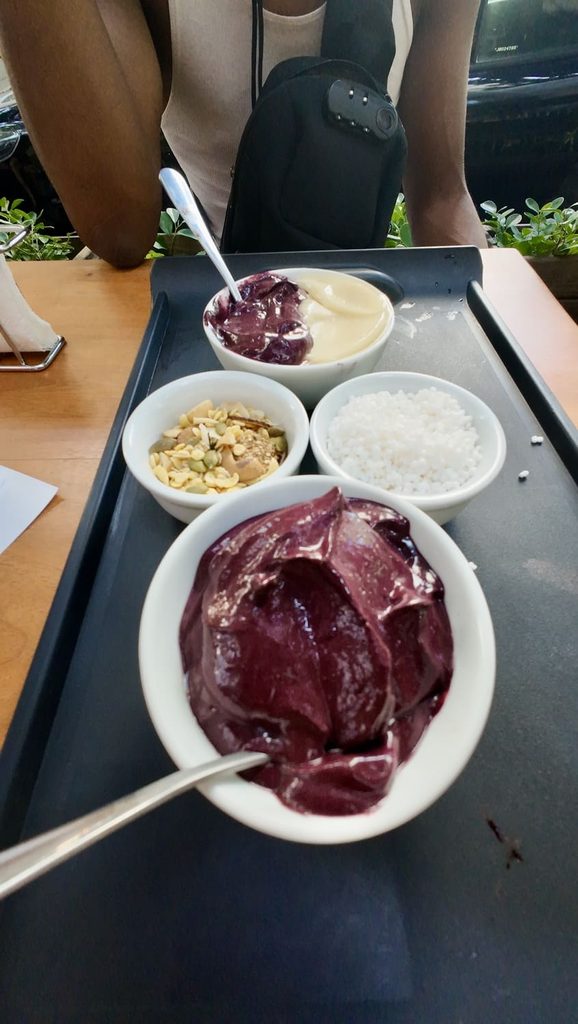
- Açaí and cupuaçu at Asa Acai (Leblon): A self-serve kiosk where you build your bowl. Bowls were about $5, and cupuaçu became my favorite thing. It’s slightly tangy but mostly smooth and sweet.
- Cheese bread at BB Lanches (Leblon): Delicious and cheap, but cash only.
- Brunch at Nusa Cafe (Leblon): Great breakfast options, including vegan choices. We spent about $15 for two.
- Dinner at Yaya Comidaria Pop Brasileira: Our favorite meal of the trip. We shared the shrimp bobó and spent about $54 for two. It’s a Black-owned restaurant that I’d recommend again and again.
- Pizza at Café e Bar Stalos: Huge slices, with a creamy cheese-filled crust, for about $16 for two. Locals eat it with a fork and knife.
- Breakfast at Zona Sul supermarket: Self-serve food and self-checkout, about $7.50 for two.
Don’t leave without trying: pão de queijo, feijoada (Brazil’s national dish), pastel, and a caipirinha.





Free and Cheap Things to Do in Rio
Rio is one of the best cities for doing a lot without spending much. Here’s what costs nothing or very little:
- Selarón steps: Free
- Arpoador sunset: Free
- Copacabana and Ipanema beaches: Free
- Cascatinha Taunay waterfall: Free
- Parque Lage: Free to enter the park
- Parque das Ruínas: Free
- Pedra do Telégrafo hike: Free, plus the Uber
- Pedra do Sal samba: Free, plus drinks
- Açaí from beach vendors: Often the cheapest bowls in the city
- Uber rides: Most were about $3, and our longest, over an hour, was about $18
Our whole four days of food, activities, and rides cost about $343 for two, which you can see in our 5-day Rio itinerary.
What We’d Time Carefully or Skip
- Christ the Redeemer on a cloudy day, or without a booked slot. Capacity is currently about half the usual, so skip a cloudy morning and rebook rather than showing up without a ticket.
- Swimming at Leblon Beach. It was crowded, and the water was chilly and not very blue when we visited. It’s more about the scene than the swim.
- Walking between spots that look close on the map. Parque das Ruínas looked like 8 minutes and took 30. Uber is cheap, so use it.
- The middle of the day outdoors. Rio is hot. Plan the museum, a cafe, or a nap for midday.
- Walking through favelas on your own. Google Maps sometimes routes you through them. We wouldn’t take unfamiliar routes, and we’d stick to guided visits.
More Things to Do We Haven’t Tried Yet
We haven’t done these, but they’re on our list:
- Surfing lesson
- Hang gliding
- Helicopter ride
- Pedra da Gávea hike (a tougher hike, so go with a guide)
- A day trip to Arraial do Cabo, a beach town about two hours from Rio
How to Fit These Into Your Trip
- If you have 2 days: Day 1: Mirante Dona Marta, Christ the Redeemer, Parque Lage. Day 2: Selarón steps, Copacabana, Sugarloaf at sunset.
- If you have 3 days: Add Arpoador at sunset and the Museum of Tomorrow.
- If you have 5 days: Add Pedra do Telégrafo, Tijuca Forest, and a Monday-night samba at Pedra do Sal. Start on a Friday so the samba night lands on a Monday.
Our 5-day Rio itinerary puts these in order with prices and restaurants.

Safety Tips for Sightseeing in Rio
The U.S. State Department lists Brazil at Level 2 (Exercise Increased Caution) as of its August 31, 2026 update, and says assaults, including with drugs placed in drinks, are common in Rio. For sightseeing, that means:
- Use Uber instead of walking at night.
- Watch your drink at bars, nightlife areas, and street parties.
- Keep your phone and valuables low-profile at the beach and on hikes.
- Visit favelas only with a guide.
- Get travel insurance. We use Safety Wing Travel Medical Insurance.
Read more in our Rio travel tips guide.

FAQ
What is the number one thing to do in Rio de Janeiro? Christ the Redeemer is the most famous, but many travelers love the Sugarloaf cable car at sunset just as much. If you only have time for two, do both.
How many days do you need in Rio? Three days covers the highlights. Five days lets you add hikes, samba, and a slower pace.
What are the best free things to do in Rio? The Selarón steps, Arpoador sunset, Copacabana and Ipanema beaches, Cascatinha Taunay waterfall, Parque Lage, and a hike to Pedra do Telégrafo.
What are the best things to do in Rio at night? Catch the sunset at Arpoador, eat dinner in Ipanema or Copacabana, or go to the Pedra do Sal samba on a Monday. Take an Uber home and watch your drink.
Is Rio worth visiting? It’s one of our favorite cities in the world, and we’ve been twice. Plan around the heat, use Uber, and stay aware of your surroundings.
Do I need a visa for Rio? Yes, if you’re a U.S. citizen. Here’s how to apply for the Brazil e-Visa.
Where should I stay in Rio? Leblon, Ipanema, and Copacabana are the easiest bases. See our where to stay in Rio guide.
What’s the best time to visit Rio? Rio is warm year-round, with the hottest weather from November through March. Carnival 2027 parades are February 7 to 9.

Read Next: 5-Day Rio Itinerary | Where to Stay in Rio | Rio Travel Tips | Brazil e-Visa Guide | Is Salvador da Bahia Worth Visiting?