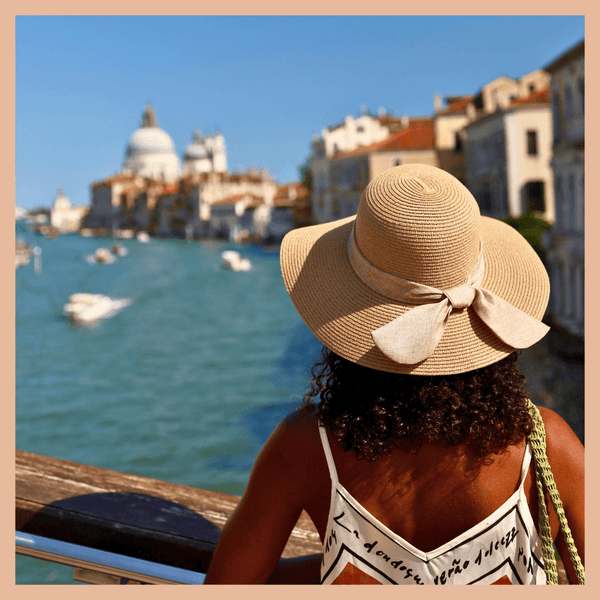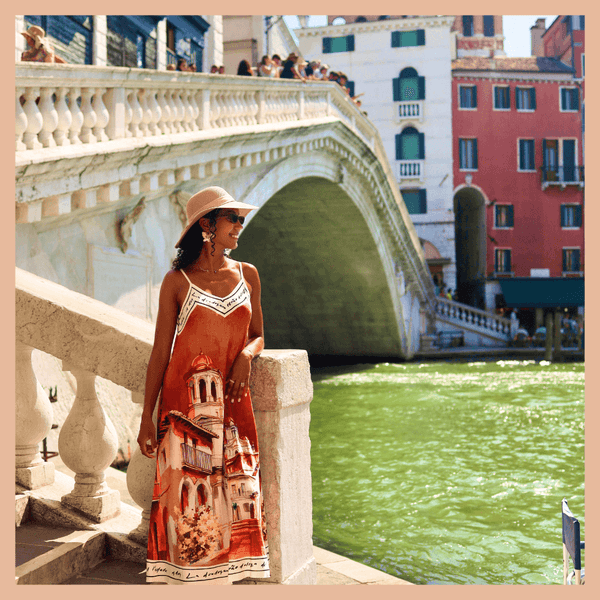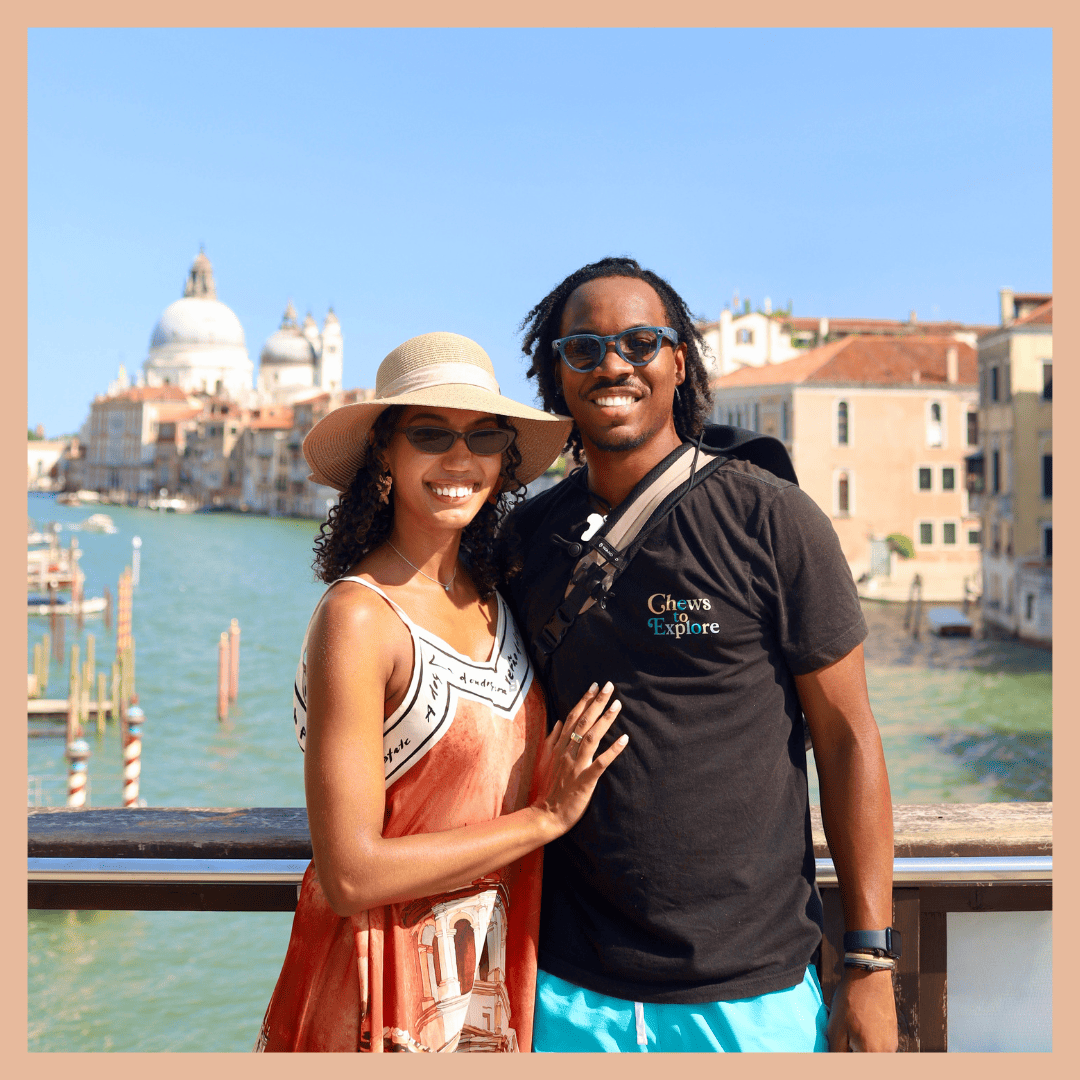
A Venice, Italy itinerary for 1, 2, or 3 days, with real prices for St. Mark’s Basilica, Doge’s Palace, the cicchetti crawl, and the day trips worth adding if you have extra time.
Disclosure: This post may contain affiliate links, which means we’ll receive a commission if you purchase through our links, at no extra cost to you. Please read full disclosure for more information.
Venice was our last stop after three weeks in Italy, including time in Sardinia and Milan, before our 10-day cruise with Virgin Voyages ended in Rome and we took the train up to Venice.
By the time we arrived, I remember stressing over whether one evening and one full day would be enough time to do the city justice. It was, but only because we planned it right.
Below are three versions of this itinerary: a tight one-day cut if Venice is just a stop on a bigger trip, the real version of exactly how we spent our time, and a third day’s worth of add-ons for anyone lucky enough to have it.

Before You Go: Quick Planning Notes
- Getting in: by train, plane, or cruise, we cover the real cost breakdown for each in our Best Things to Do in Venice guide.
- Where to stay: we based ourselves in Mestre, on the mainland, a short 10-minute bus ride from the historic center. Full breakdown of Mestre versus staying on the island in our Where to Stay in Venice guide.
- Check the day-trip access fee for your dates. In 2026, Venice charged day visitors 5 to 10 euros on select peak days from April to late July, and overnight guests (including those staying in Mestre, like we did) were exempt but had to register for a free QR code. Our late-August trip fell outside the window, but check the official site before you go in case the rules change.
- Budget for real vaporetto costs: a single ride is 9.50 euros, more than you’d expect. Buy a day pass if you’re taking three or more rides, or tap the same card every time and let ACTV’s fare-capping system handle the math for you.
1-Day Venice Itinerary
If you’ve only got one day, start at the market, work toward San Marco, see the city from the water, and end in Cannaregio.
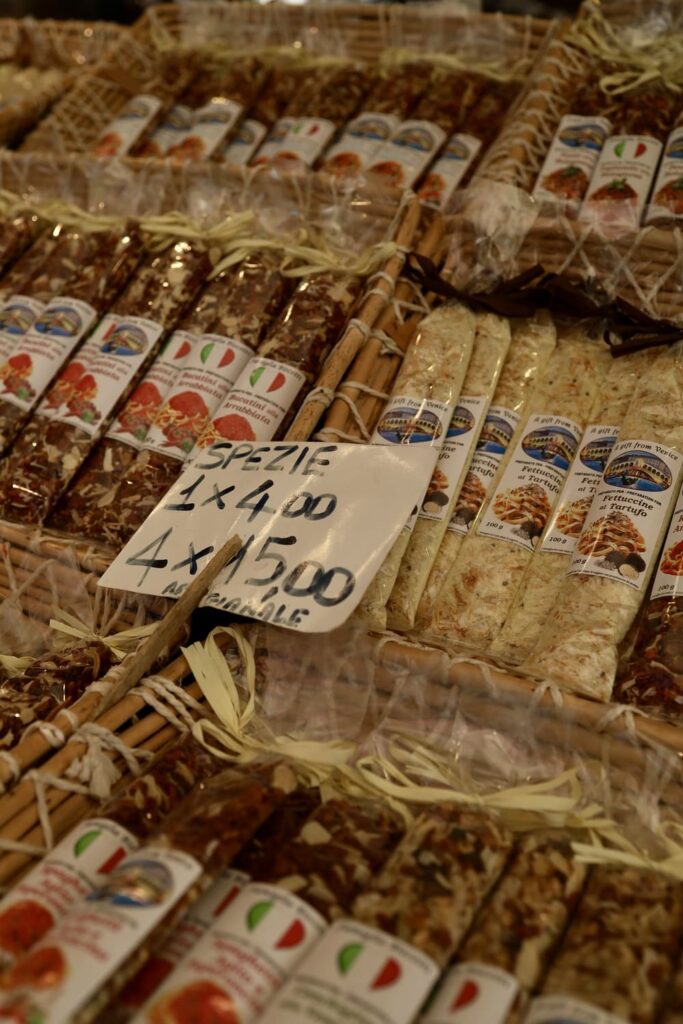
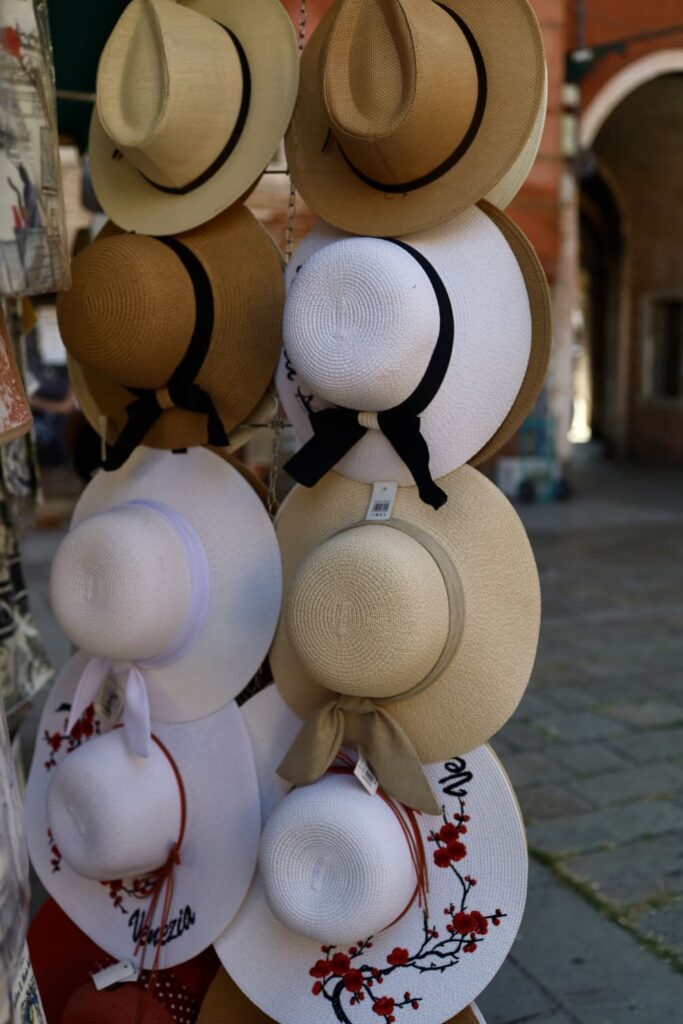
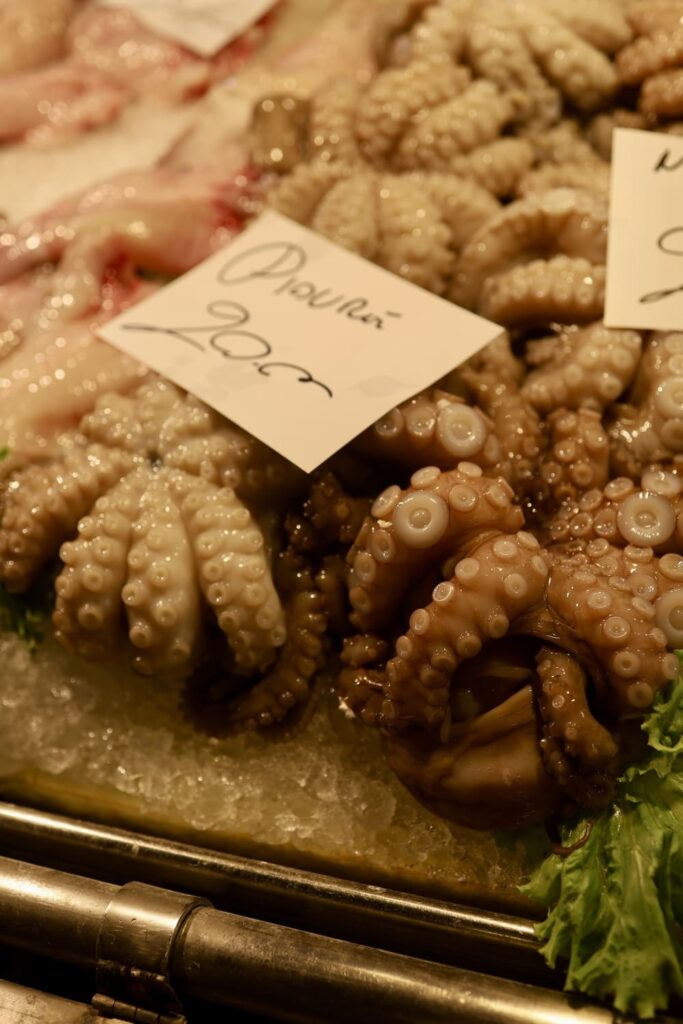
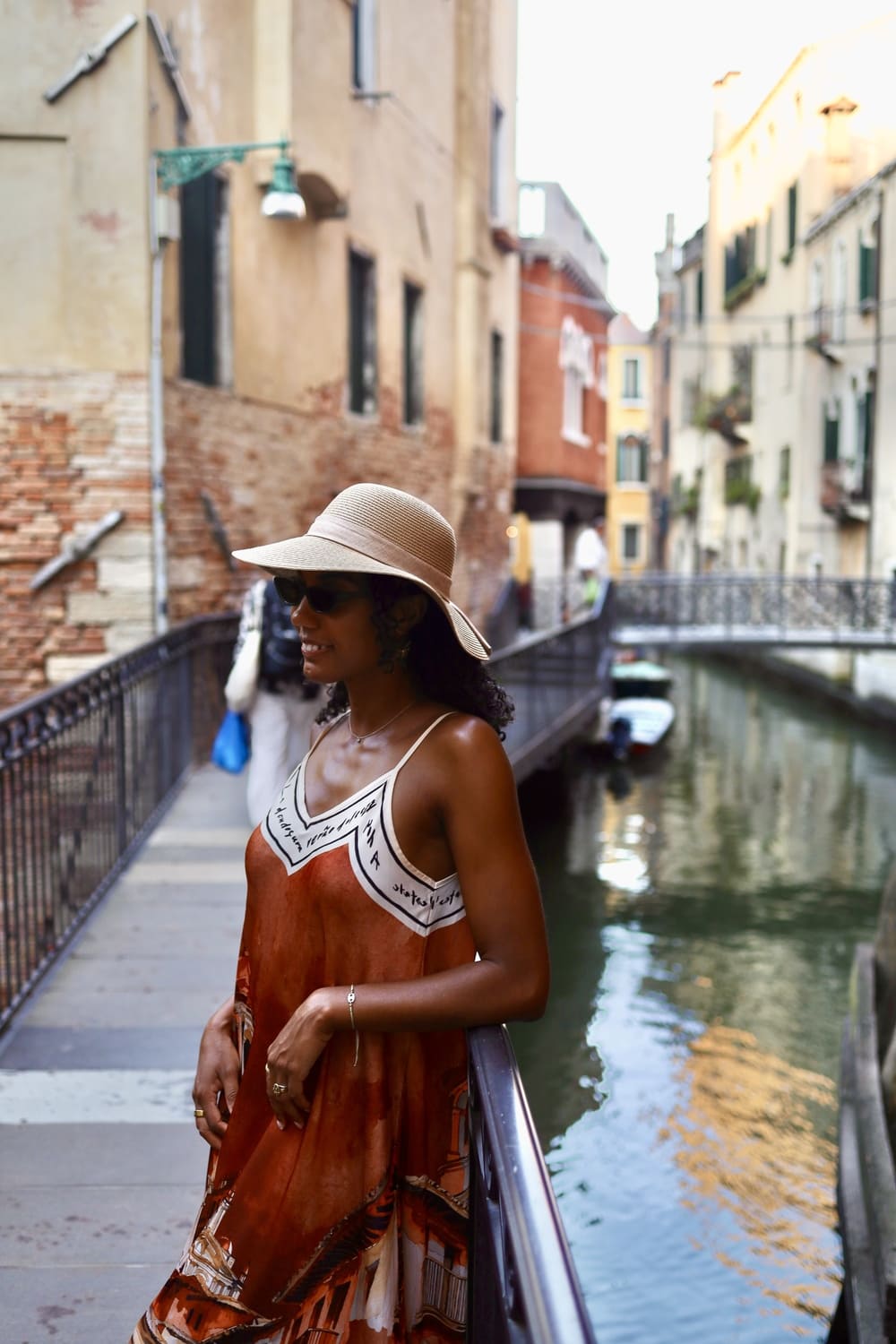
Morning: Start at the Rialto Market, free to wander and a glimpse of local life. One side is fruit, vegetables, seasonings, and fresh seafood, and the other is souvenir stalls (I bought a sun hat here that I wore all over Venice, plus a few seasonings to bring home). Go in the morning: the produce stalls run Monday to Saturday, the fish market Tuesday to Saturday, and everything is closed Sunday.
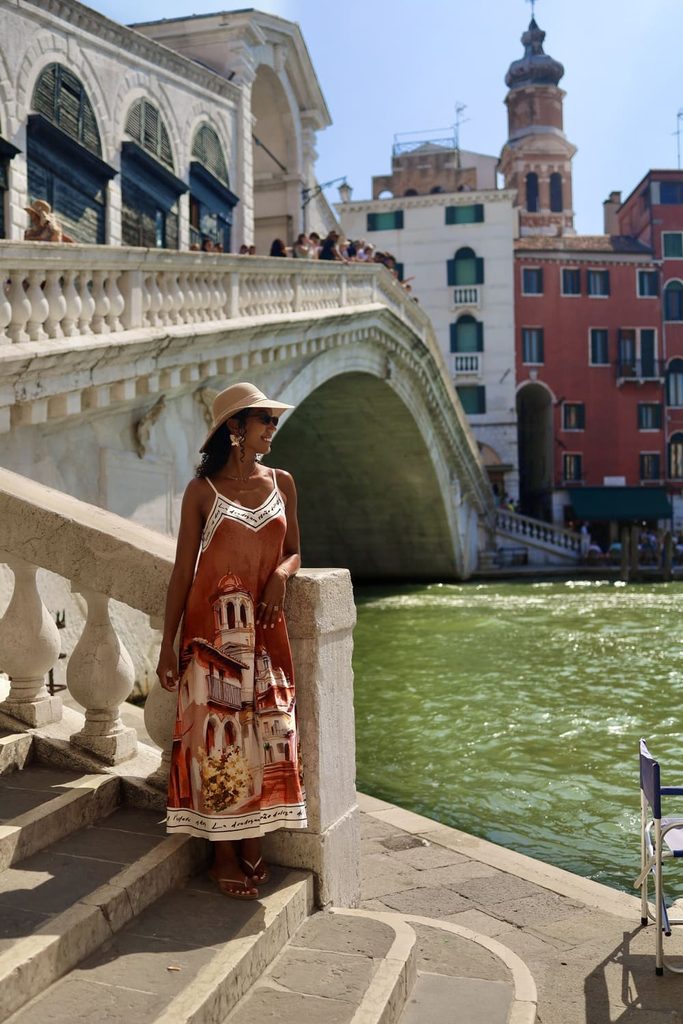
From the market, walk to the Rialto Bridge (free), best early before the crowds build. Libreria Acqua Alta, the bookstore with a gondola and a bathtub full of books, is a short detour on the way toward San Marco. It’s free to browse, though you’ll probably end up buying something.
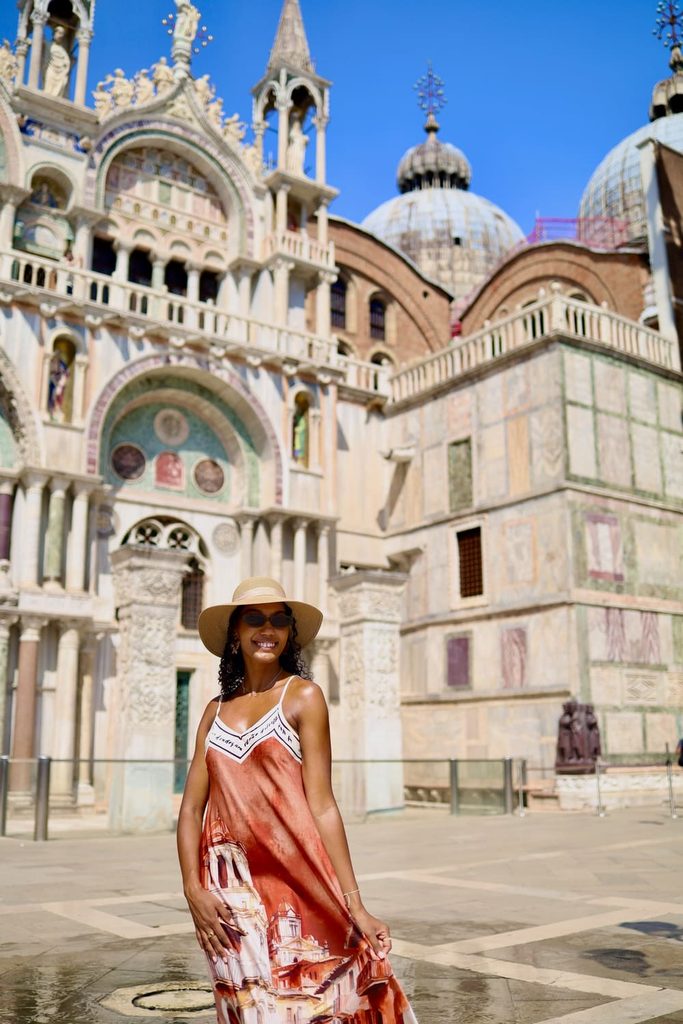
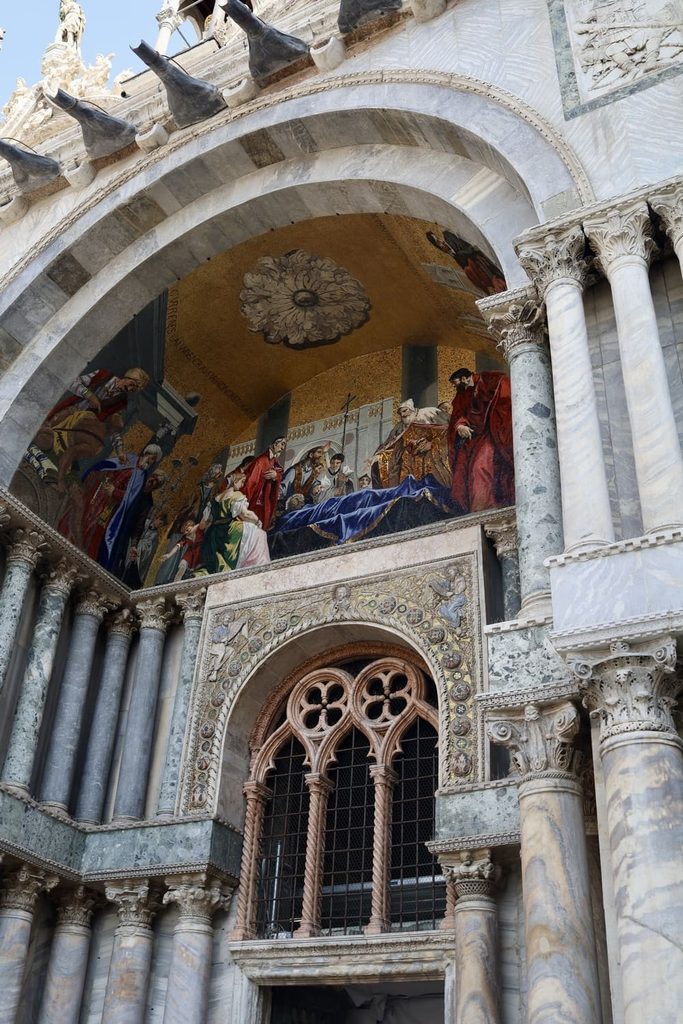
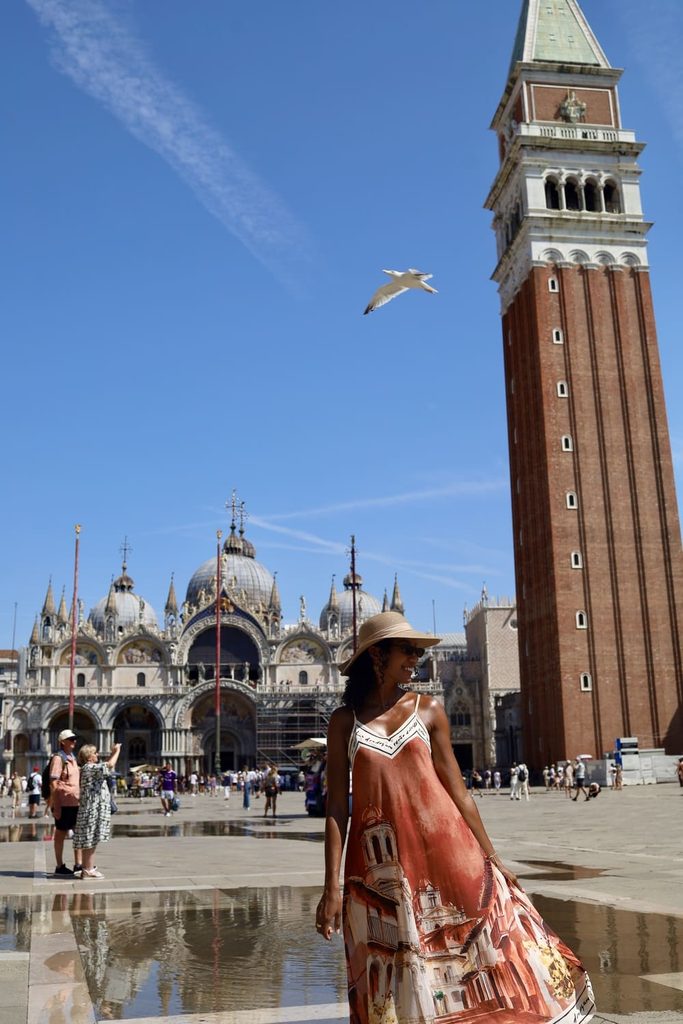
Late morning: Continue to Piazza San Marco. We only saw the exterior of St. Mark’s Basilica ourselves (free), and the mosaics on the outside alone were one of our favorite moments in Venice. Nearby are Doge’s Palace (about 30 euros, often bundled with other civic museums) and the Bridge of Sighs, visible for free from the Ponte della Paglia.
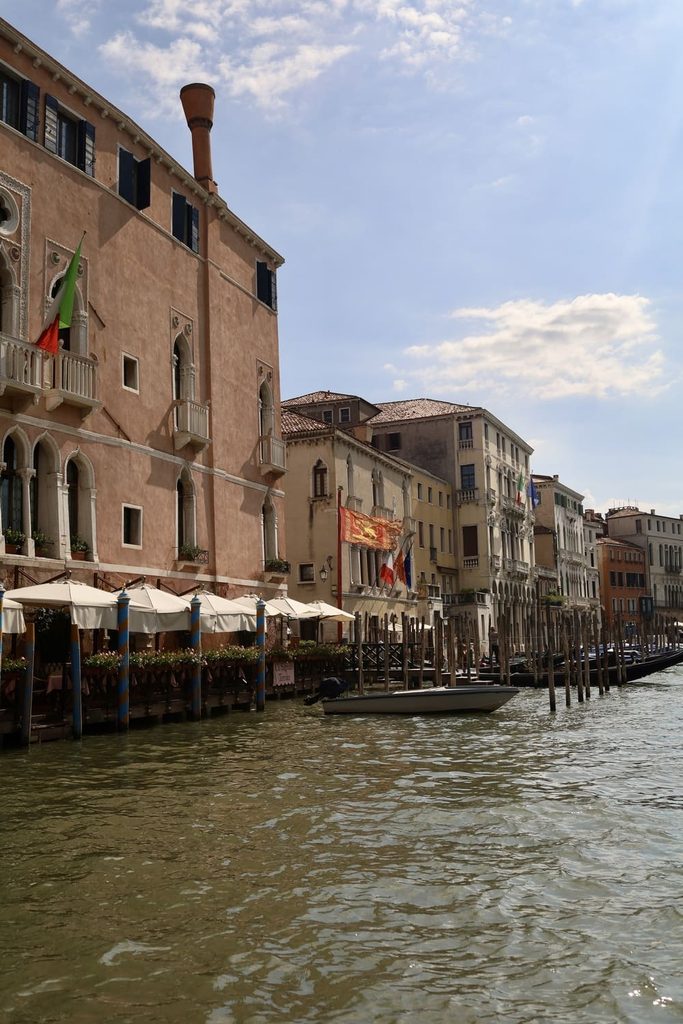
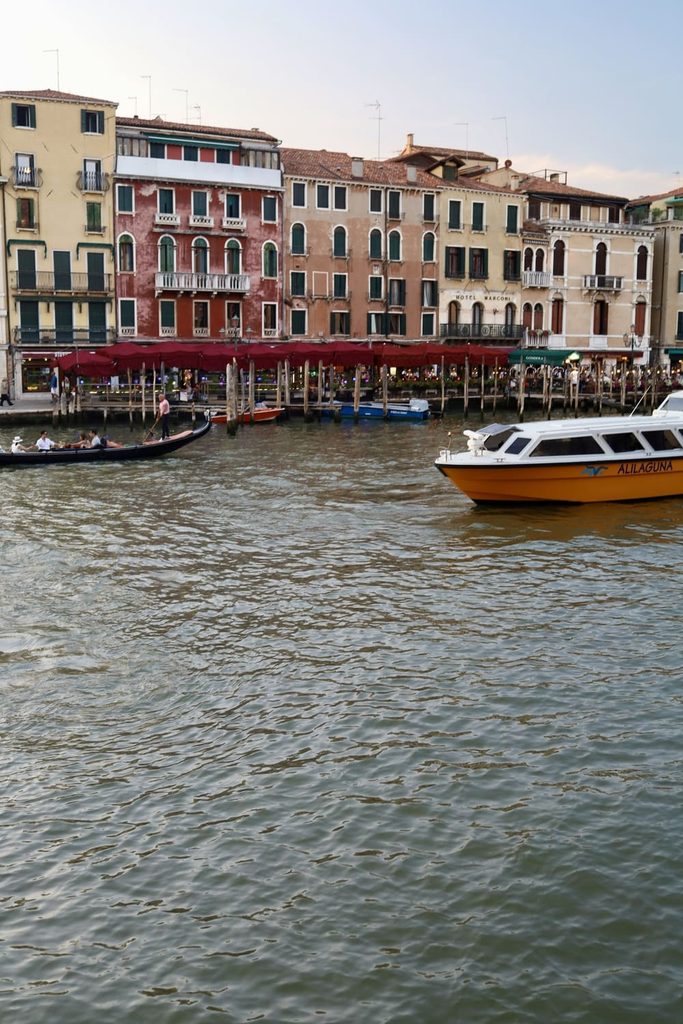
Afternoon: See Venice from the water. Everything in Venice moves on water. There are no cars, buses, or bikes in the historic center, so the vaporetto (Venice’s public ferry) is how the city gets around, and you’re liable to see an ambulance boat speed past. If you only have one day, you’ll probably want a boat ride, and there’s an option at every price:
- Gondola: 90 euros for 30 minutes (9am to 7pm) or 110 euros for 35 minutes after 7pm, per boat, up to 5 people. Cash if you reserve one in person, or book online to pay by card. The iconic, private, priciest option.
- Vaporetto: 9.50 euros, and a single ticket lasts 75 minutes. It’s a shared ferry, not a private boat, but it’s still a great opportunity for sightseeing from the canal.
- Traghetto: 2 euros for a roughly 2-minute ride straight across the Grand Canal, cash only. It’s the cheapest way onto the water, and how Cannaregio locals cross to the Rialto Market each morning. It stops running before sunset (around 7pm), so go earlier in the day.
Evening: Ride vaporetto Line 1 toward the train station (Line 1 is the local that stops at every landing on the Grand Canal, so it doubles as a budget sightseeing ride). Then walk into Cannaregio for a cicchetti crawl (1 to 3 euros a piece). Hop between a few bars and it basically turns into dinner. If you’d rather have a guide, an organized cicchetti tour is worth looking at.

Book a private gondola ride here | Book a guided cicchetti tour here | Book St. Mark’s Basilica, Doge’s Palace & Bridge of Sighs tickets here
2-Day Venice Itinerary: What We Actually Did
Day 1: Arrival Evening in Cannaregio
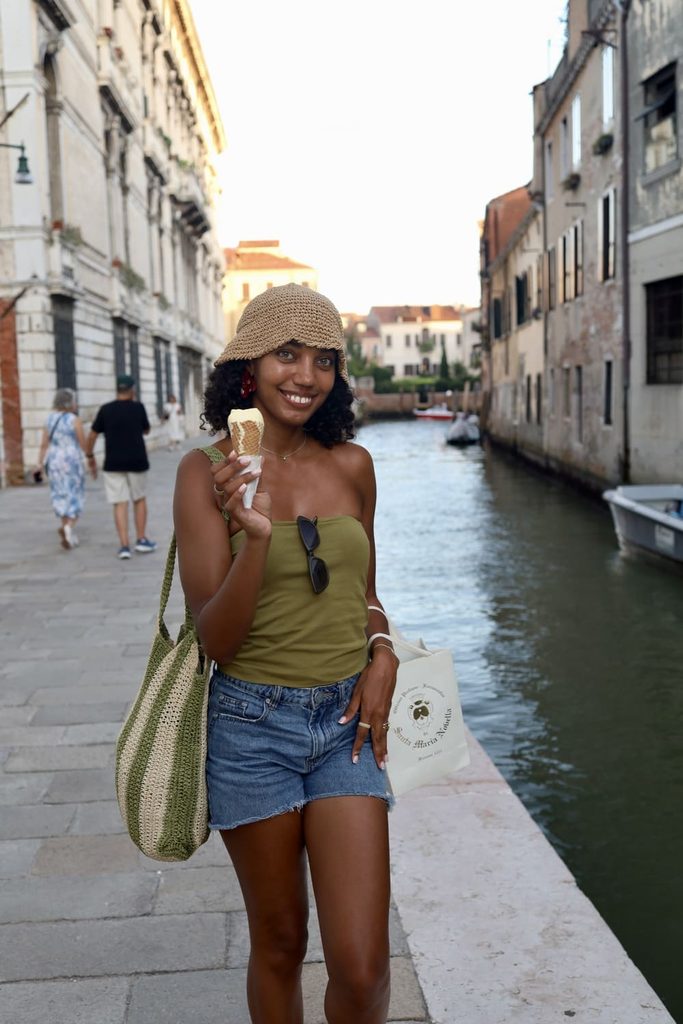
We arrived in the city proper around 5pm, dropped our bags at the Kipoint Kibag luggage storage (6 euros for four hours), and headed straight into Cannaregio instead of racing toward San Marco, one of our best decisions of the trip. We stopped for cicchetti at small osterias along the canals (1 to 3 euros per piece), then kept the food evening going with mushroom pizza and limoncello spritz at Very Good Bigoleria Gnoccheria Pizzeria (~30 euros) and a spicy diavolo pizza (~7 euros) eaten canal-side from Pizzeria da Zorma, and gelato from Bacaro del Gelato (~3 euros for one cone) to close it out.
The Jewish Ghetto (the oldest in Europe + free to wander on your own) is in Cannaregio too, and we cover it in our Things to Do in Venice guide.
Day 2: The Full Day
We started at the Rialto Market, where we picked up seasonings (and my hat), then crossed the Rialto Bridge (more on both in the 1-day itinerary above). Next was coffee at Zanzibar, a small espresso bar in Campiello Santa Maria Formosa, where we ordered a shakerato (~4 euros): espresso shaken hard over ice until it’s cold and frothy, exactly what you want in Euro summer heat.
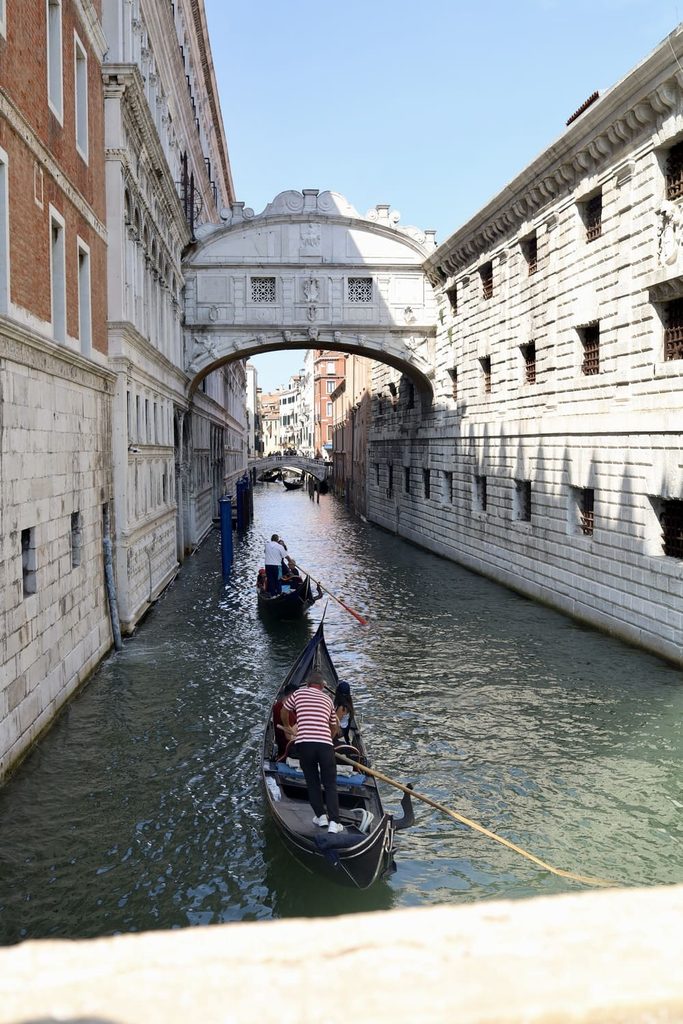
From there we walked to St. Mark’s Basilica (exterior only, free) and took in the rest of the square, including the live music at Caffè Florian as we walked by, and the Bridge of Sighs (visible for free from the Ponte della Paglia). If you want to go inside Doge’s Palace, tickets run about 30 euros.
For lunch, we stopped at Baci & Pasta in Campo Santa Marina, a small spot with big windows that make for great people-watching, an open-air kitchen, plus, fast and friendly service. There are lots of ways to customize your pasta here, and I went with a classic potato gnocchi with tomato basil. My husband ordered a meatier pasta with butter and sage that he couldn’t stop talking about (~18 euros for two pastas). Next, we ducked into Libreria Acqua Alta(free to browse, though we didn’t leave empty-handed), and after that, we visited the free San Trovaso Art Space in Dorsoduro. The Peggy Guggenheim Collection is in the same neighborhood if you want a bigger art stop (about 17 euros).
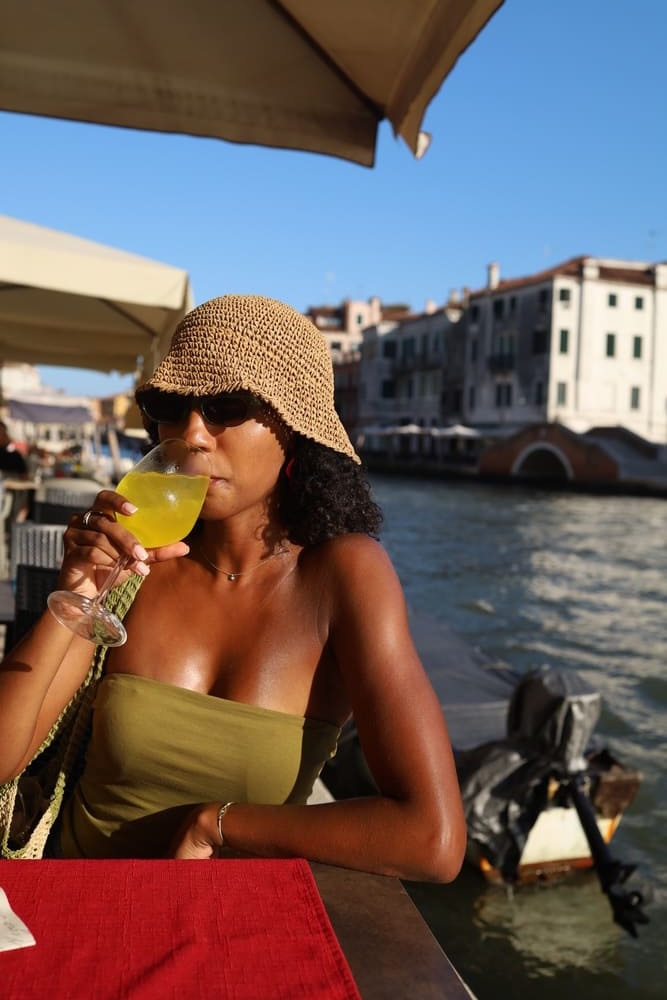
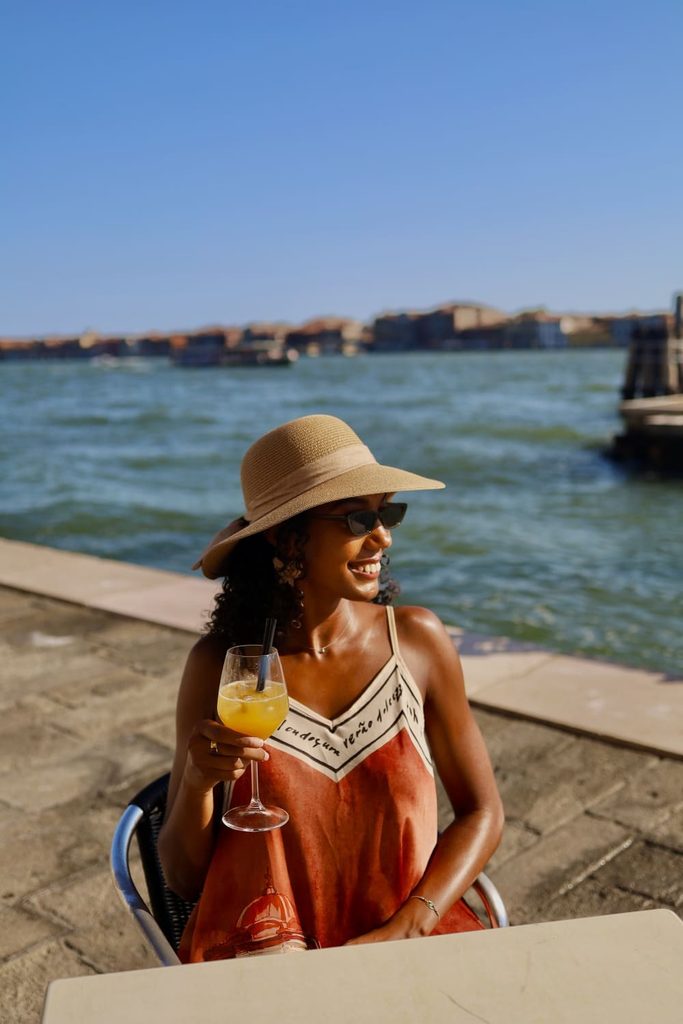
Afterward came the best Bellini of the trip. The Bellini was invented at Harry’s Bar right in Venice, but Harry’s Bar prices are steep, so we went to Al Chiosetto instead, a little canal-side kiosk bar along Fondamenta delle Zattere. It was more our pace and price, at about 7 euros each.
We finished with dinner at Al Nono Risorto: minestrone and gnocchi with shrimp and zucchini plus a limoncello spritz for me, and another diavolo-style pizza for my husband. About 55 euros for two.
Seeing Venice from the water: With no cars, buses, or bikes in the historic center, the vaporetto (Venice’s public ferry, basically the city “bus”) is how the whole city moves, so everything happens on the water, ambulance boats included. A single ride is 9.50 euros, or 25 euros for a 24-hour pass, or 35 euros for a 48-hour pass. Line 1 stops at every landing. Line 2 is the express and skips stops, so check that it stops where you’re headed before you hop on.
Book Rialto Bridge photo shoot here | Book a guided Jewish Ghetto + Synagogues tour here | Book Dorsoduro Art Mile Tour here
3-Day Venice Itinerary: What We’d Add
If you’ve got a third day, pick one of these:
- Murano and Burano. Murano is about a 10-minute vaporetto ride from Cannaregio and known for glassblowing demonstrations. Burano is further (about 45 minutes each way) and known for its rainbow houses and lace.
- A day trip to the Dolomites. This guided trip runs about 10 hours into the Dolomites, the UNESCO-listed mountain range in northern Italy. The stops are Cortina d’Ampezzo (about 70 minutes, with time on its pedestrian main street), Lake Misurina (about 2 hours, with views of the Tre Cime di Lavaredo peaks), and Auronzo Lake (about 40 minutes at the dam). Expect long stretches on the bus. The Misurina chairlift and boat rental only run from mid-June to mid-September, and the meeting point is at Tronchetto on the edge of the historic center, so build in travel time.
- A day trip to Verona, Sirmione and Lake Garda. Also about 10 hours, with three stops: Verona (about 2.5 hours, including Juliet’s House and the Roman Arena), a 30-minute boat cruise around the Sirmione peninsula on Lake Garda past Scaliger Castle and the Grottoes of Catullus (Roman ruins), and about an hour in Sirmione itself. It departs from Mestre, so it’s an easy add-on if you’re based there like we were.
Book a Murano & Burano half-day tour here | Book the Dolomites day trip here | Book the Verona, Sirmione & Lake Garda day trip here
FAQ
How many days do I really need in Venice?
Two days is enough to fall for the city, one for the quieter neighborhoods (Cannaregio), one for the major sights (St. Mark’s Basilica, Doge’s Palace, Rialto Bridge).
What’s a must-eat in Venice?
If you want to go beyond what we personally tried, seek out sarde in saor (sweet-and-sour sardines), baccalà mantecato (whipped salt cod), and risotto al nero di seppia (cuttlefish ink risotto), three traditional Venetian seafood dishes that show up on menus across the city. What we ate: fresh gnocchi, a thin and crispy mushroom pizza, and a spicy diavolo-style pizza that my husband ordered more than once.
What’s a must-buy in Venice?
Traditionally, Murano glass and Burano lace are the two big ones, both named for the lagoon islands where they’re made. If you’re not making it out to the islands, the Rialto Market has plenty too: I picked up seasonings from the produce side and a sun hat from the souvenir side.
When’s the worst time to visit Venice?
It depends what you’re trying to avoid. July and August bring the worst heat and biggest crowds (we visited from late August into early September, when it was nearly 100 degrees), and prices tend to follow the crowds, with Carnevale in February and the Christmas stretch also among the priciest times. If flooding worries you, acqua alta (seasonal high water) is most common from October through March, with November and December carrying the highest risk.
Once your days are planned out, check out our Where to Stay in Venice guide for exactly where to base yourself, or our Best Things to Do in Venice guide for the full breakdown of prices, history, and the money mistakes worth skipping.