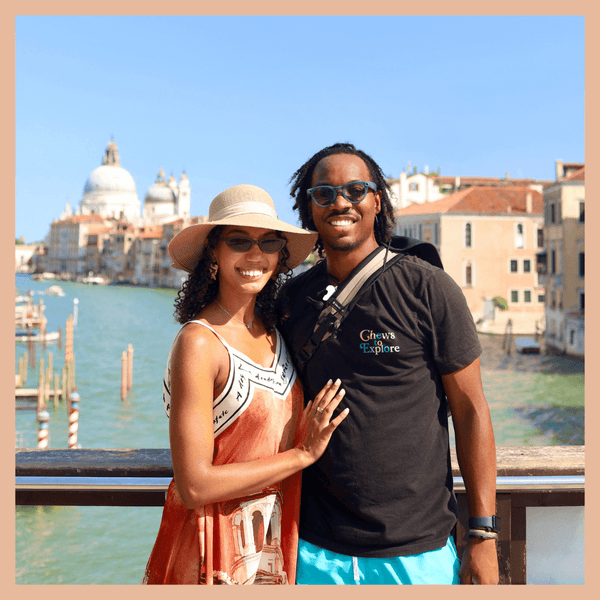
The top things to do in Venice, Italy, with real prices attached: St. Mark’s Basilica, Doge’s Palace, gondola vs. vaporetto costs, the cicchetti crawl, the Jewish Ghetto, and the money mistakes worth skipping.
Disclosure: This post may contain affiliate links, which means we’ll receive a commission if you purchase through our links, at no extra cost to you. Please read full disclosure for more information.
I’ve been to more than 70 countries at this point, so it takes a lot to genuinely surprise me when I land somewhere new. Venice still managed it.
I’ll be honest with you: I did not fully realize that Venice was an island until about a month before we landed there.
I knew it had canals. I knew about the gondolas.
What I did not know is that the entire city is over 100 small islands stitched together by bridges, with zero cars and zero bikes anywhere in sight.
Just people, boats, and a whole lot of water.
So when I tell you Venice hit different, I mean it hit different.
It didn’t feel like the postcard version of Italy I’d built up in my head.
It felt like something even more specific than that, and honestly, it reminded me a bit of Ganvie back in Benin, the stilt village built entirely on a lagoon.
I wasn’t expecting an Italian city to give me West African déjà vu, but here we are.
This past August was our first time in Italy, and Venice was the grand finale, the last stop after three weeks bouncing around the country and closing out a 10-day cruise with Virgin Voyages.
This isn’t a rundown of every single landmark you could technically visit in Venice.
It’s the sights worth your time (what they are, a little history, what they actually cost), plus the food, drinks, and aimless wandering that shaped most of our days, and the money-saving details you’re probably curious about, and a couple of things we skipped or would do differently next time.
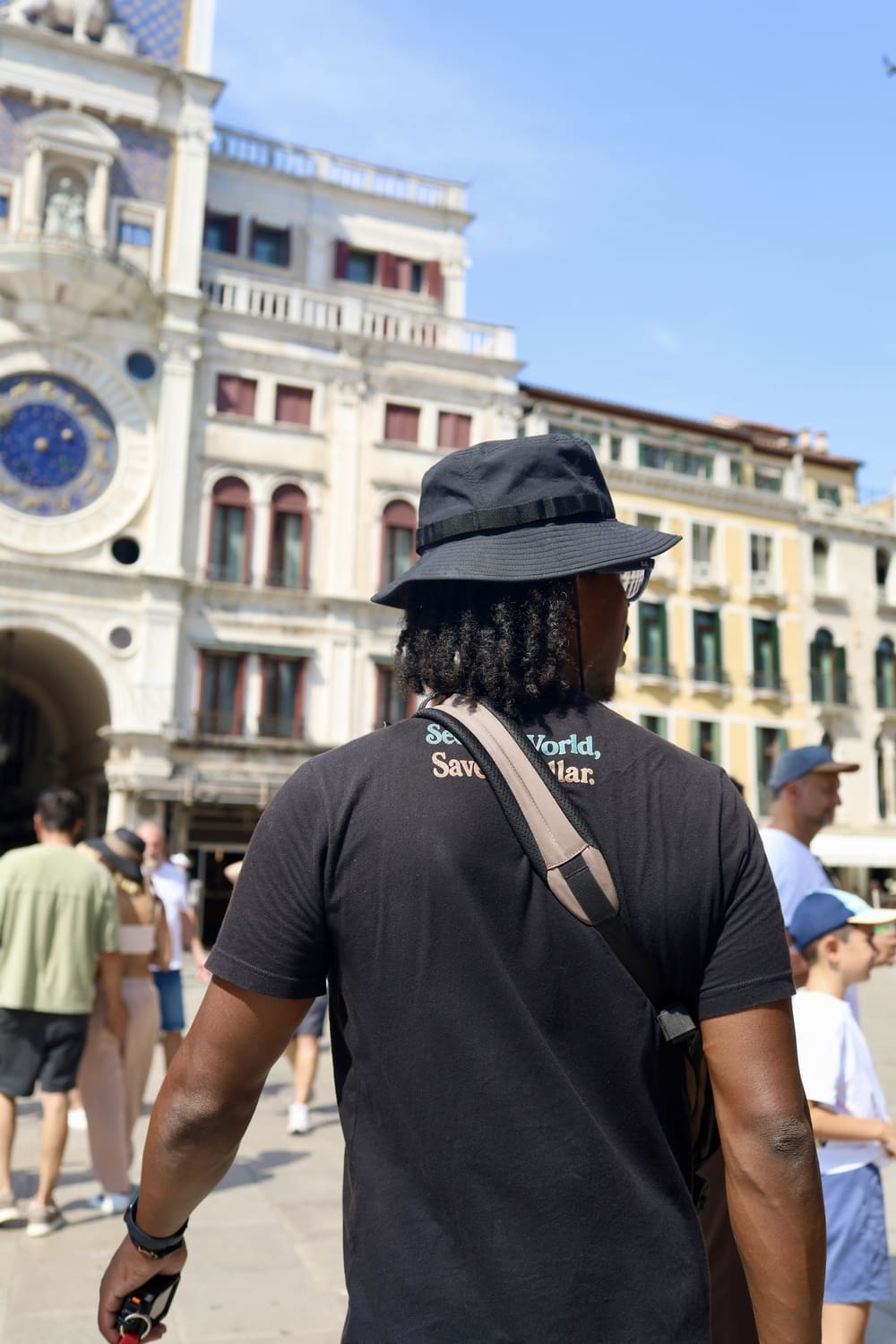
Our whole approach to travel is See the World, Save a Dollar, so you’ll get real prices next to the best things to do in Venice, and an honest read on what wasn’t worth it for us.
Venice on a Budget: Quick Money-Saving Tips
- Tap the same card or phone for every vaporetto ride. ACTV automatically tracks your rides and charges you whatever’s cheapest by the end of the day, a single fare or a day pass rate, so you don’t have to decide upfront, just don’t switch cards partway through.
- Always tap in before boarding the vaporetto, even with a pass already loaded. Skipping it is one of the easiest ways to get hit with an on-the-spot fine.
- Do a cicchetti crawl instead of a sit-down dinner. Find a bar yourself and pieces run 1 to 3 euros each, a fraction of what a guided crawl costs, though a guided one’s worth it if you’d rather have the backstory behind each stop.
- Get your coffee at a neighborhood bar, not a square-side café, unless you’re specifically paying for the Piazza San Marco orchestra experience (more on that below).
- Walk instead of hopping the vaporetto for short distances. It’s free, and it’s often faster once you factor in waiting for the boat.
- Only crossing the Grand Canal once? The traghetto is a 2-minute ride straight across for 2 euros per person, a lot cheaper than a single 9.50-euro vaporetto ride for the same short hop.
- Staying in Mestre? Your ACTV day pass covers the regional train too, so it pulls double duty as your commute ticket.
- Compare luggage storage prices before committing to the first counter you see. We found a flat 5-euro all-day option just steps from a 6-euro-for-4-hours counter, same service
- Short on time? Here’s how these fit together in a 1-, 2-, and 3-day Venice itinerary.
Why Was Venice Built on Water?
Before we get into what to do, a little of why Venice exists at all, because it colors everything else on this list.
Somewhere around the 5th and 6th centuries, people living on the mainland of what’s now northern Italy got tired of Germanic tribes repeatedly raiding their towns, and started retreating out into the marshy lagoon for safety.
Over time, “temporary hiding spot” turned into permanent settlement, and eventually into one of the most powerful maritime republics in the Mediterranean, the kind of place that ran its own navy, controlled trade routes, and got rich enough to build the golden mosaics you’ll see on St. Mark’s Basilica.
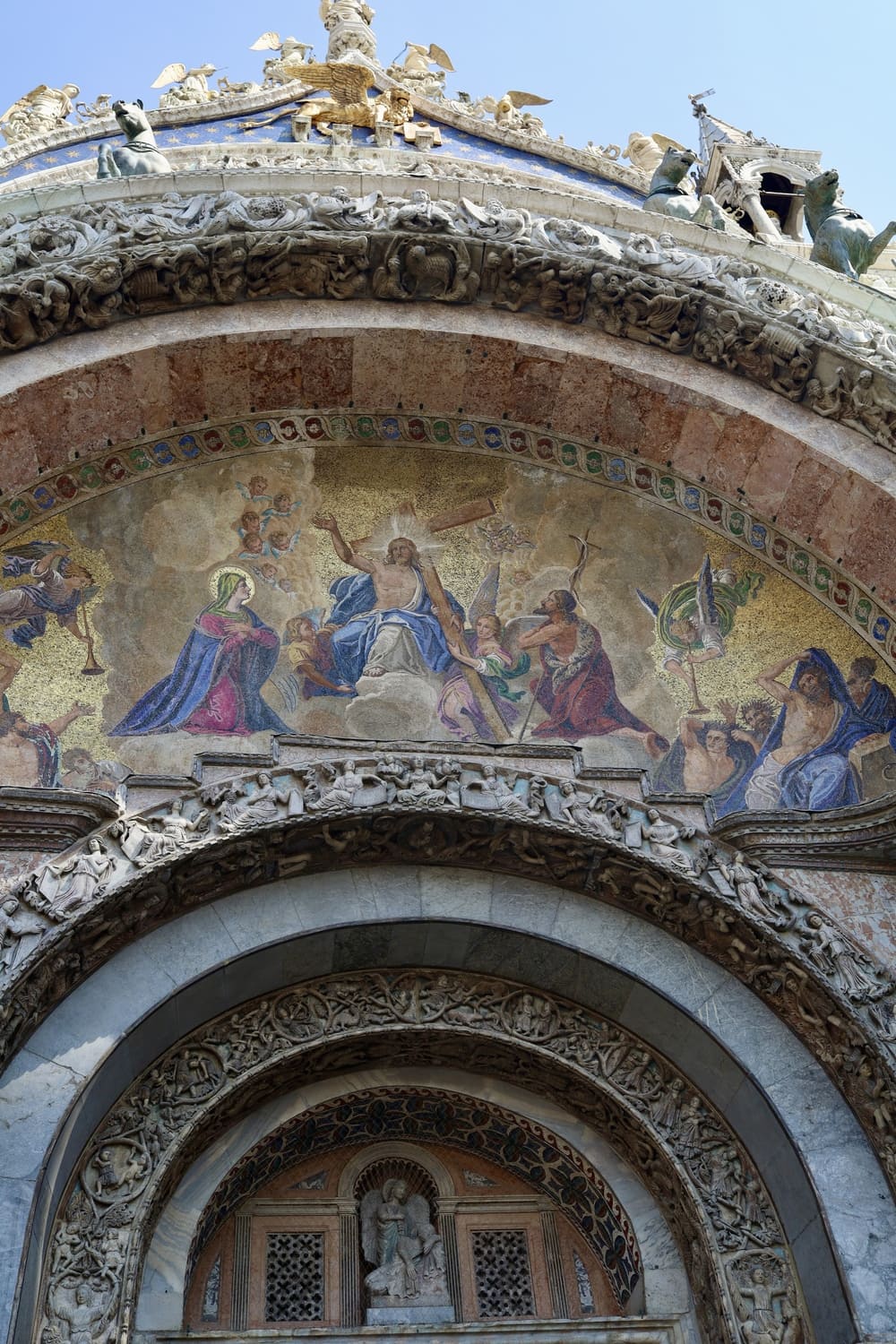
Which is to say: someone looked at open water and decided, we’re building a city there. A bit unhinged. But it also explains a lot of what you’ll notice while you’re there: the flooding, the drains built into the pavement, the fact that everything, including ambulances, moves by boat, because none of this was ever built with cars in mind. Not a single one exists anywhere in the historic center.
That same setup is also part of why Venice has real, present-day problems: a shrinking local population priced out by tourism and short-term rentals, overcrowding around the main sights during peak hours, and rising water levels that make flooding more frequent than it used to be. Worth knowing before you go, and worth being a thoughtful visitor about once you’re there.
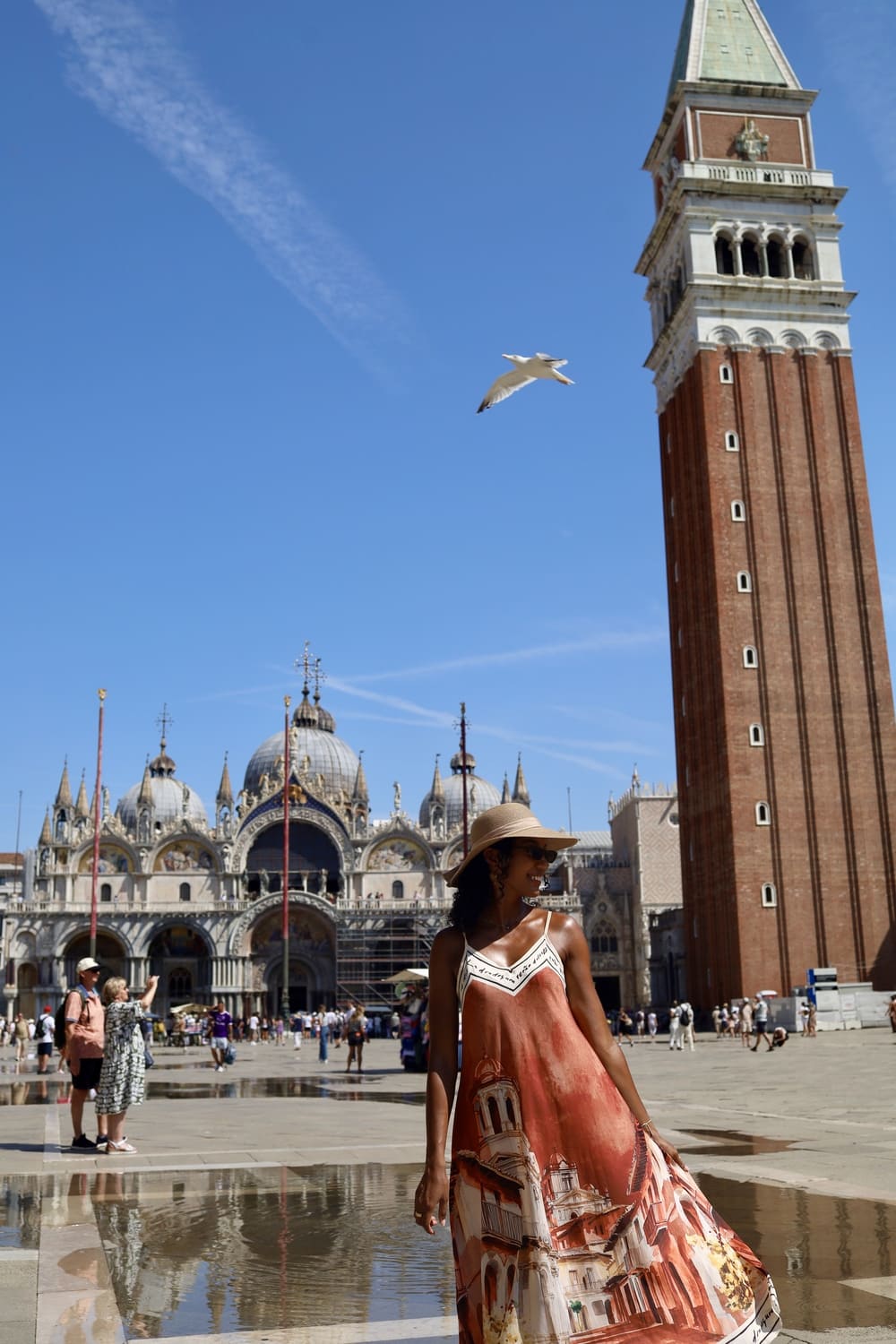
1. St. Mark’s Basilica (Exterior)
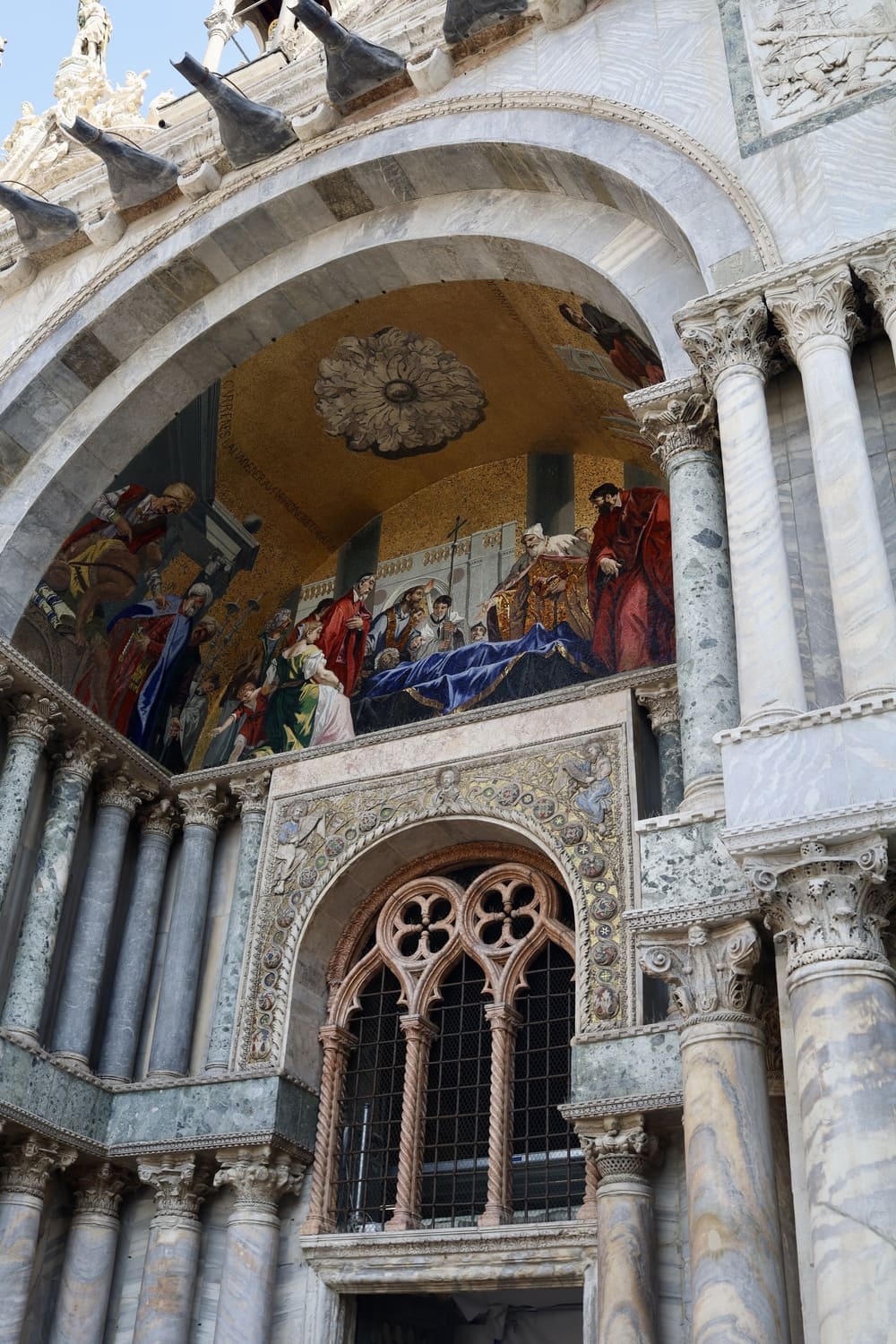
We didn’t go inside, there was a line and a paid entry, and we opted to just take in the outside instead.
Even so, the exterior mosaics genuinely caught me off guard. My favorite church anywhere is the Sagrada Família in Barcelona, and I wasn’t expecting anything else to get close to that reaction.
This isn’t better, but it still stopped me in my tracks in a way I didn’t see coming. It was also here I first noticed the drains built right into the stone paving, and understood why: the piazza had flooded slightly the day we visited, just a few inches of standing water, with toddlers happily splashing around in it like a little pond. A real, physical reminder that this whole city is built on and around water.
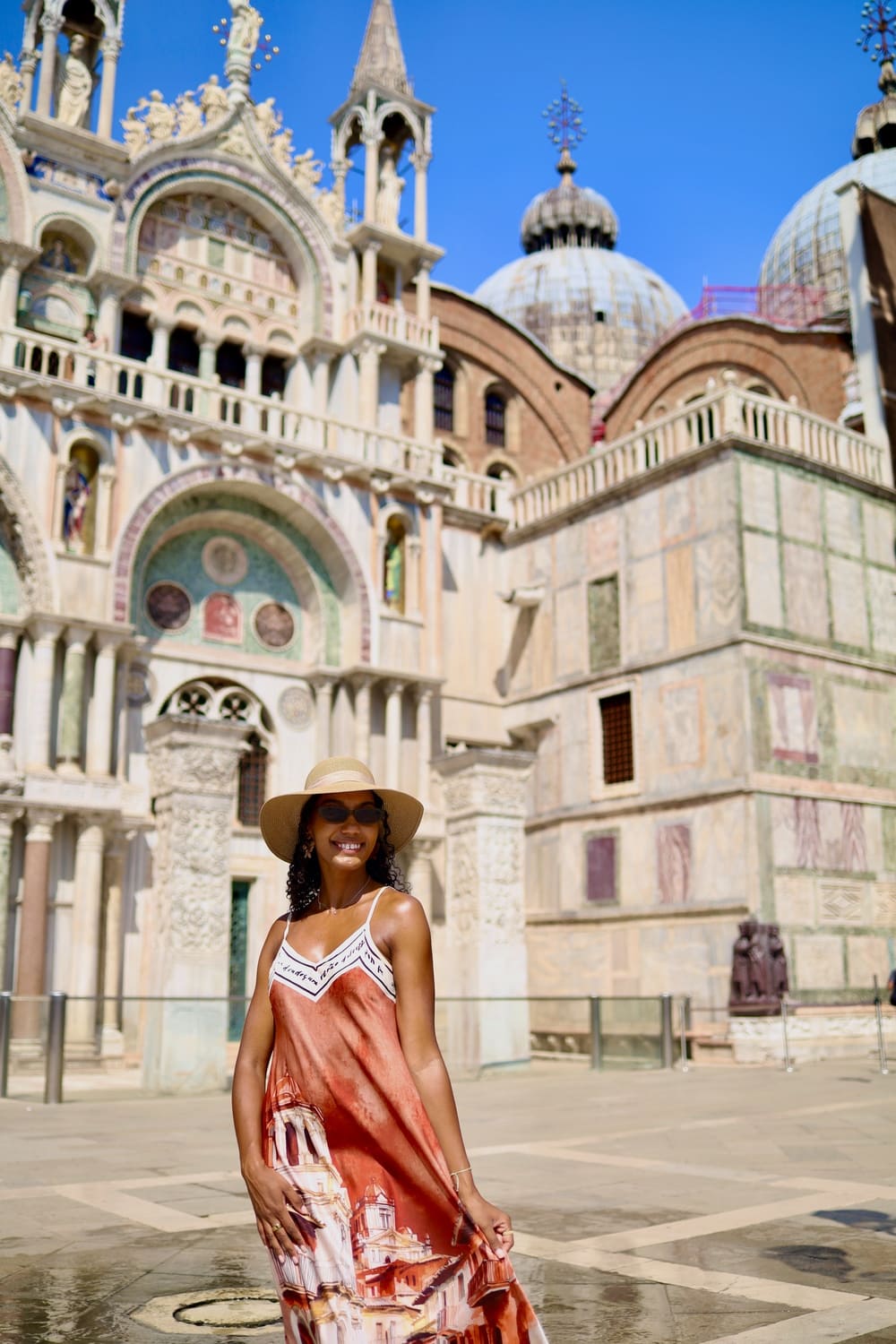
If you do want to see the interior, basic entry to the main floor runs a few euros, with paid add-ons like the Pala d’Oro (the gold and gemstone altarpiece) or terrace access on top of that. We can’t personally vouch for what’s inside since we didn’t go, but if it’s on your list, skip-the-line tickets can save you the wait.
2. Doge’s Palace & the Bridge of Sighs
Right next door to the Basilica, Doge’s Palace was the political heart of the Venetian Republic for centuries, built in the Venetian Gothic style.
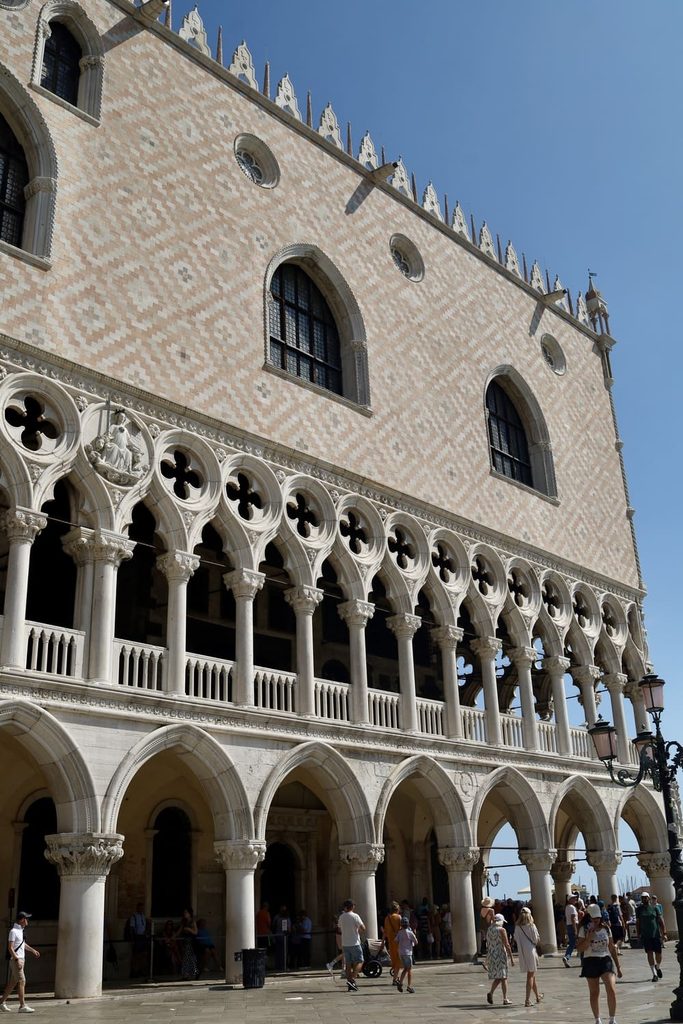
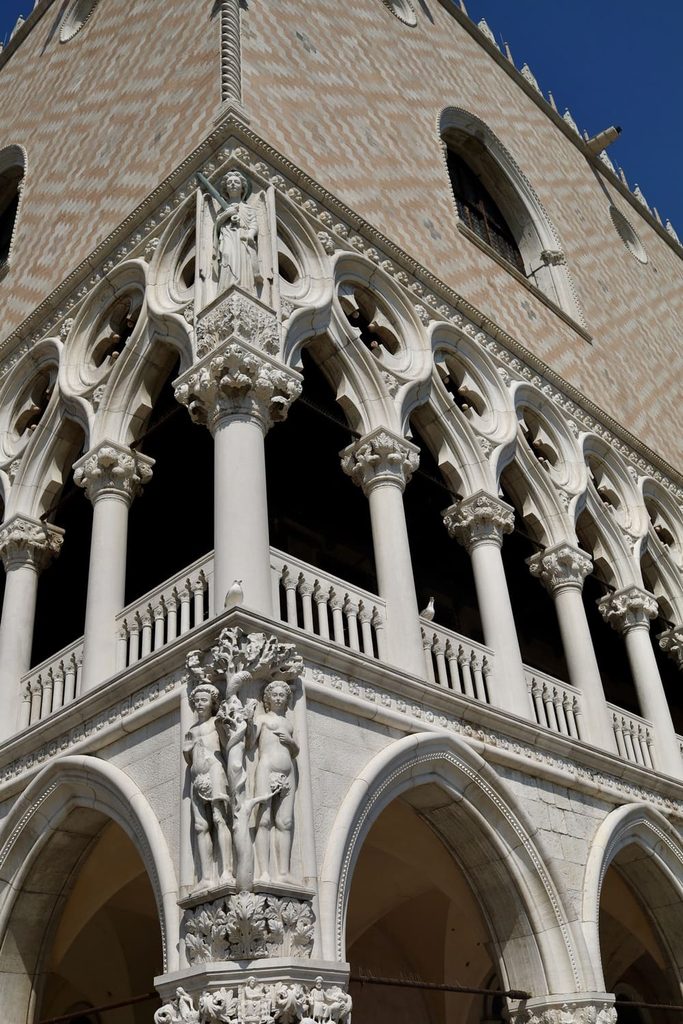
Entry runs somewhere around 30 euros, often bundled with access to several other civic museums around the square, so it’s worth checking what’s included before you buy. Connected to the palace is the Bridge of Sighs, named for the sigh prisoners reportedly let out as they got their last glimpse of Venice through its windows on the way to the old prison cells.
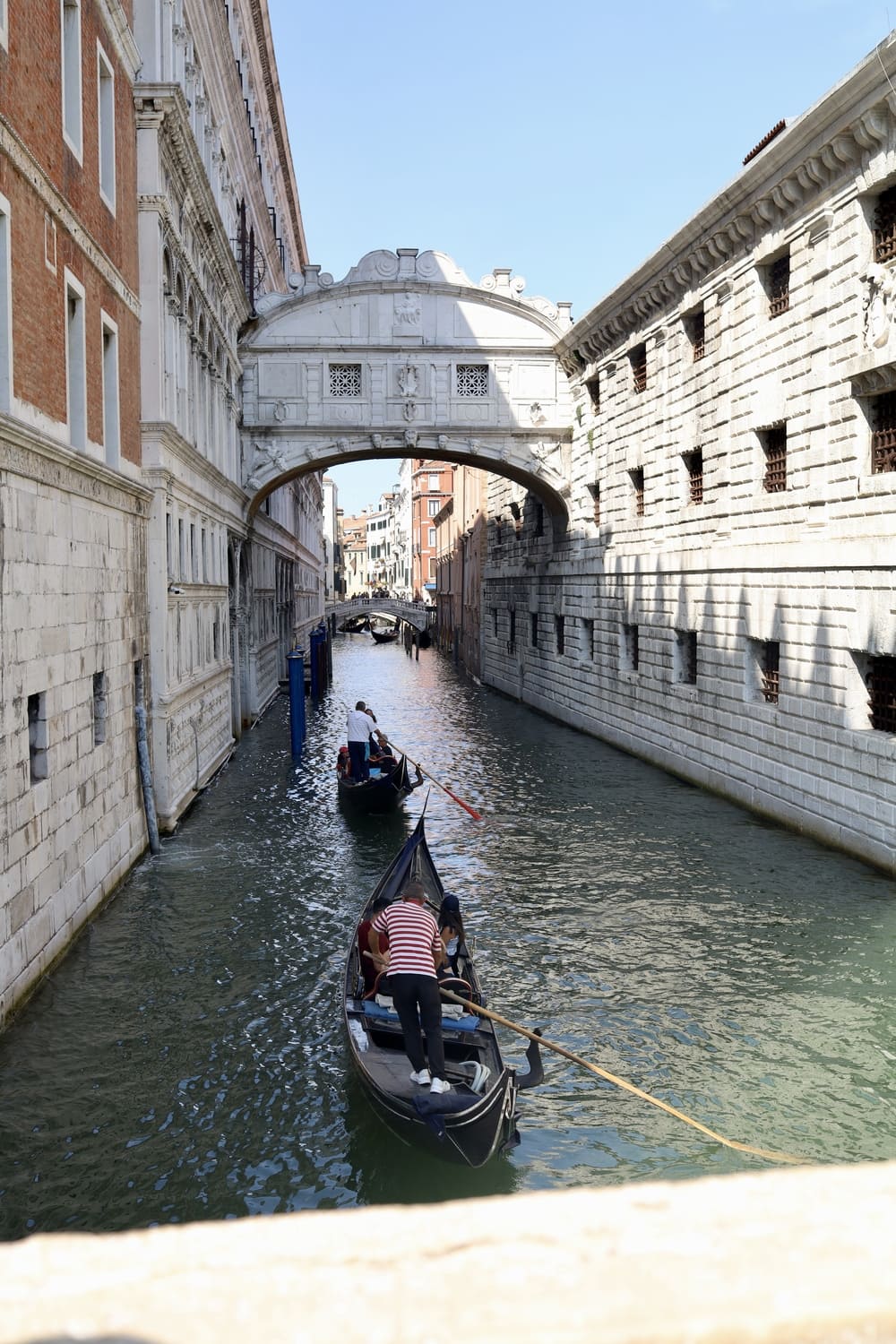
You can see it from the Ponte della Paglia for free, or walk across it as part of a Doge’s Palace ticket.
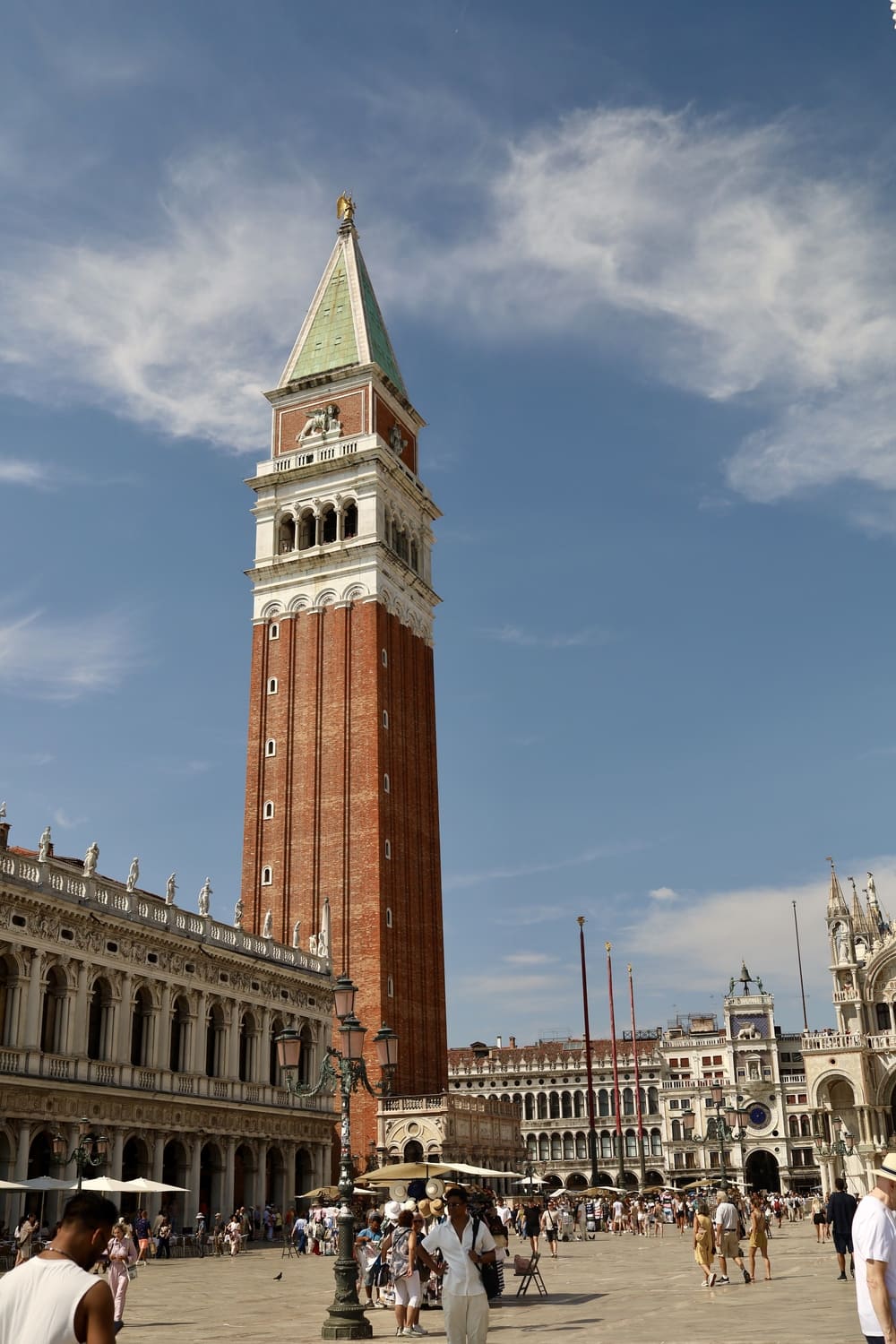
3. St. Mark’s Bell Tower (Campanile)
For a view over the whole city, the Campanile has an elevator up to the top, with tickets generally running around 13 euros. Prices and bundled options shift often enough that it’s worth double-checking current rates before you go.
And if you need a quiet break from the crowds nearby, the Giardini Reali (Royal Gardens) is a small, free public garden just steps from San Marco that a lot of first-time visitors walk right past without noticing.
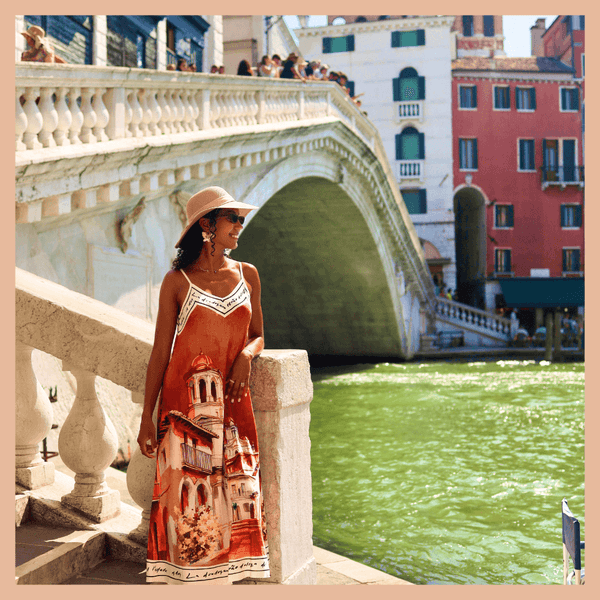
4. Rialto Bridge
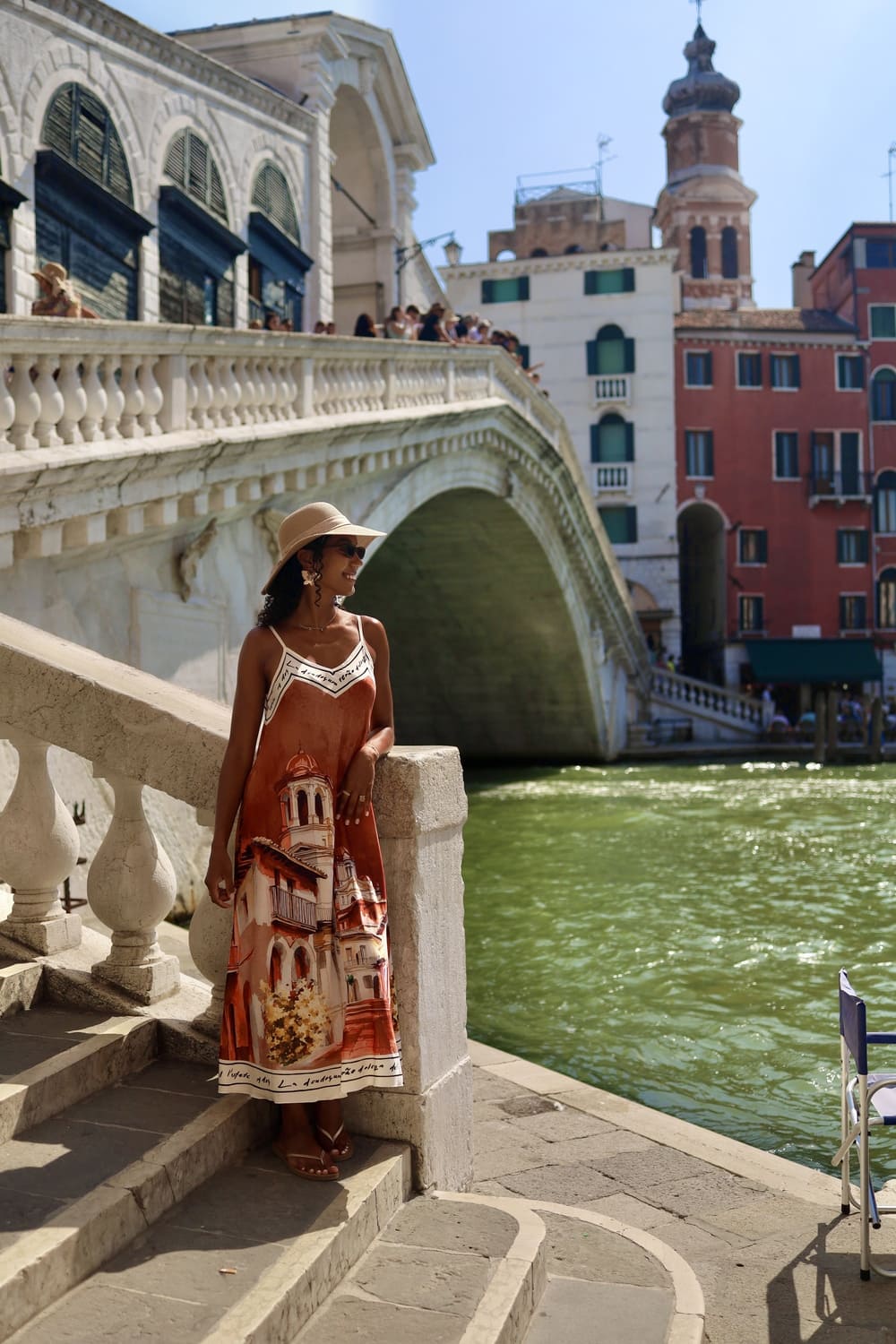
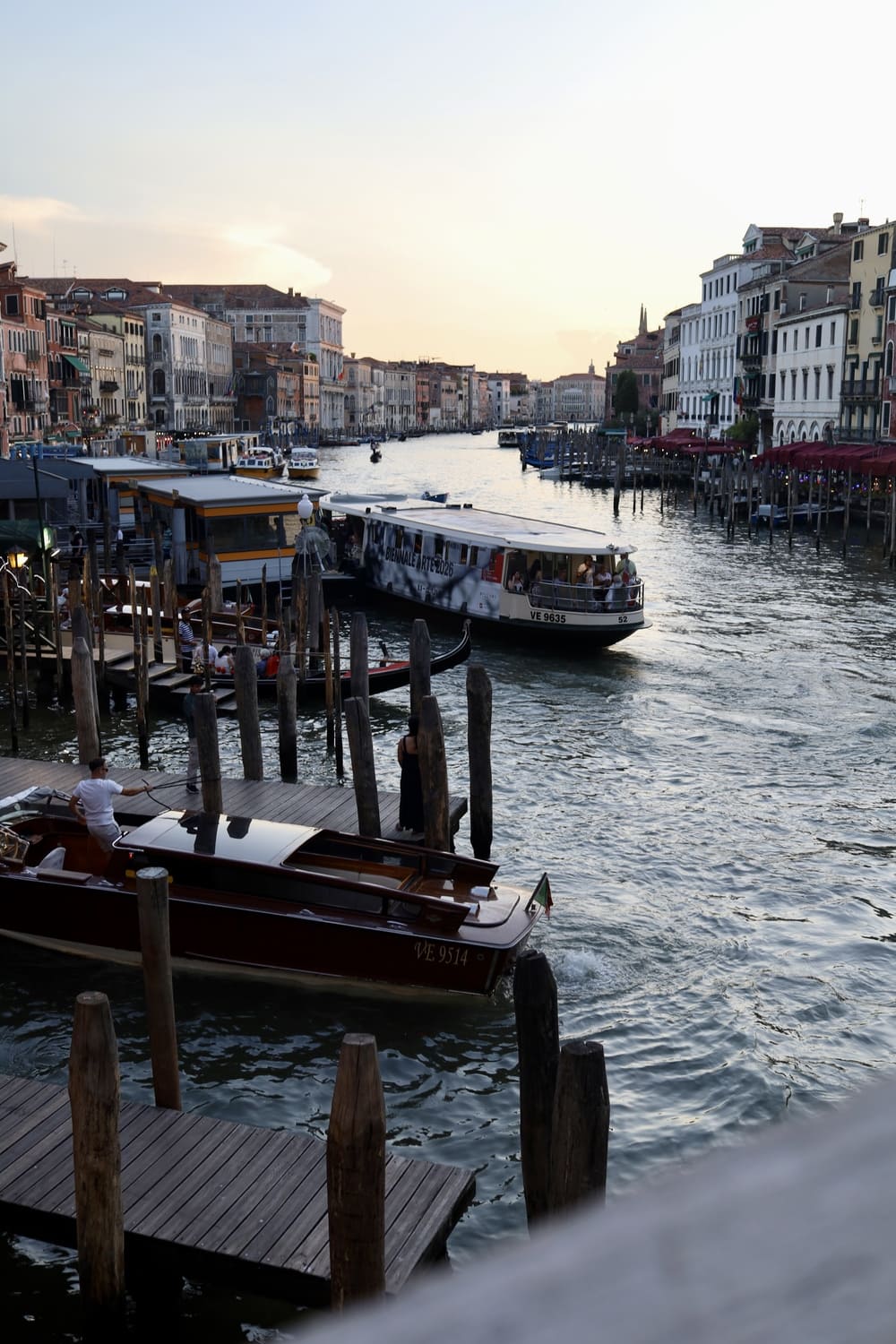
The oldest of the four bridges crossing the Grand Canal (the current structure has stood since 1591), and one of the best free views in the city, especially early or late in the day when the crowds thin out. Lovely to walk across during the day, but the view over the canal at night, once the crowds clear and the lights come on, is worth coming back for.
Rialto Bridge is probably the most famous bridge in Venice.
5. Cannaregio & the Jewish Ghetto
We arrived in the city proper around 5pm on our first evening and headed straight into Cannaregio instead of racing toward San Marco. One of our best decisions yet. It ended up being our favorite part of Venice, and it’s noticeably cheaper and quieter than anything near the main square.
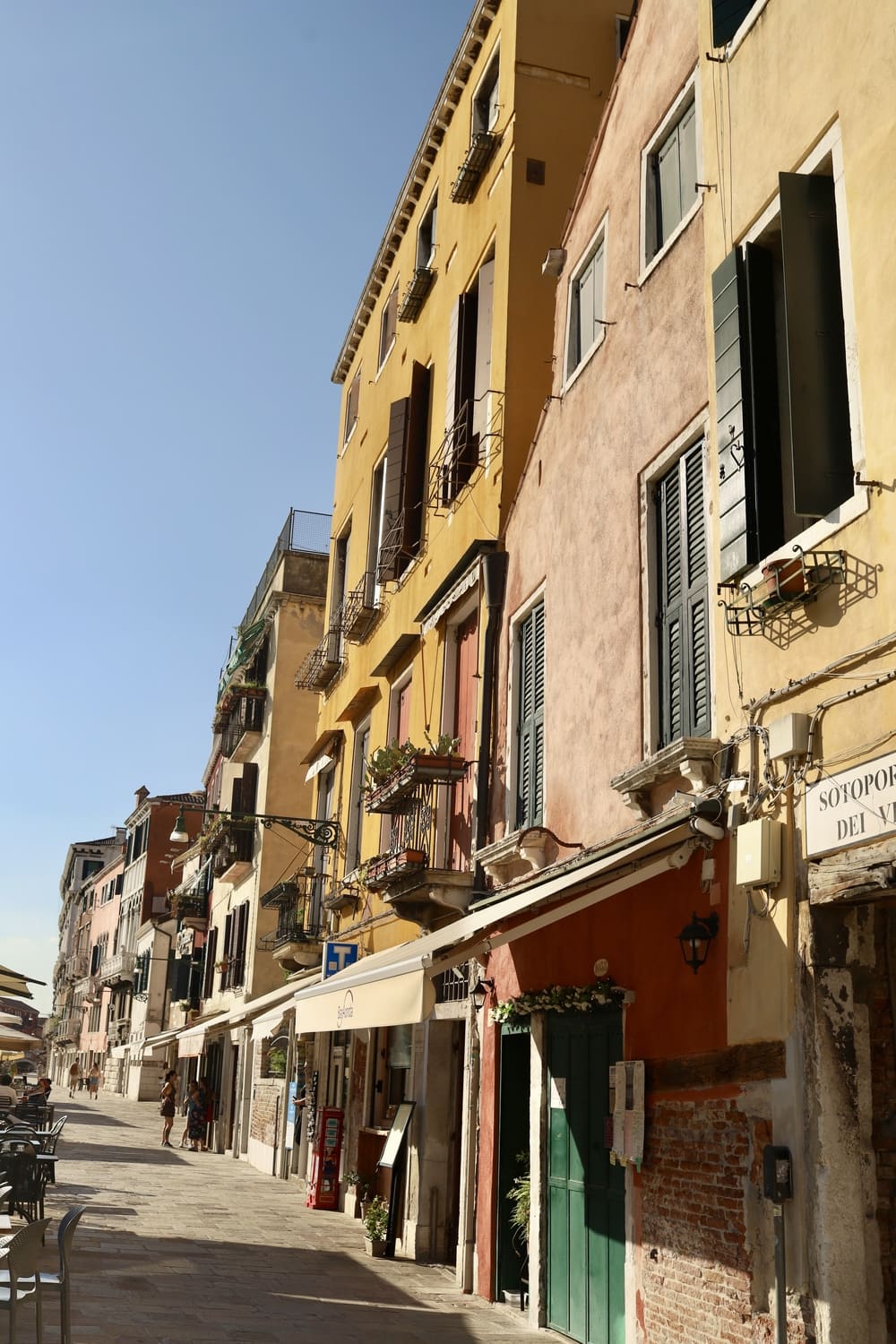
Within it sits the old Jewish Ghetto, the oldest in all of Europe. For centuries, Jewish residents were legally restricted to this one small area and limited to a handful of professions, a system that stayed in place until Napoleon’s arrival opened things up, somewhere around the late 1600s to 1700s, depending on the account.
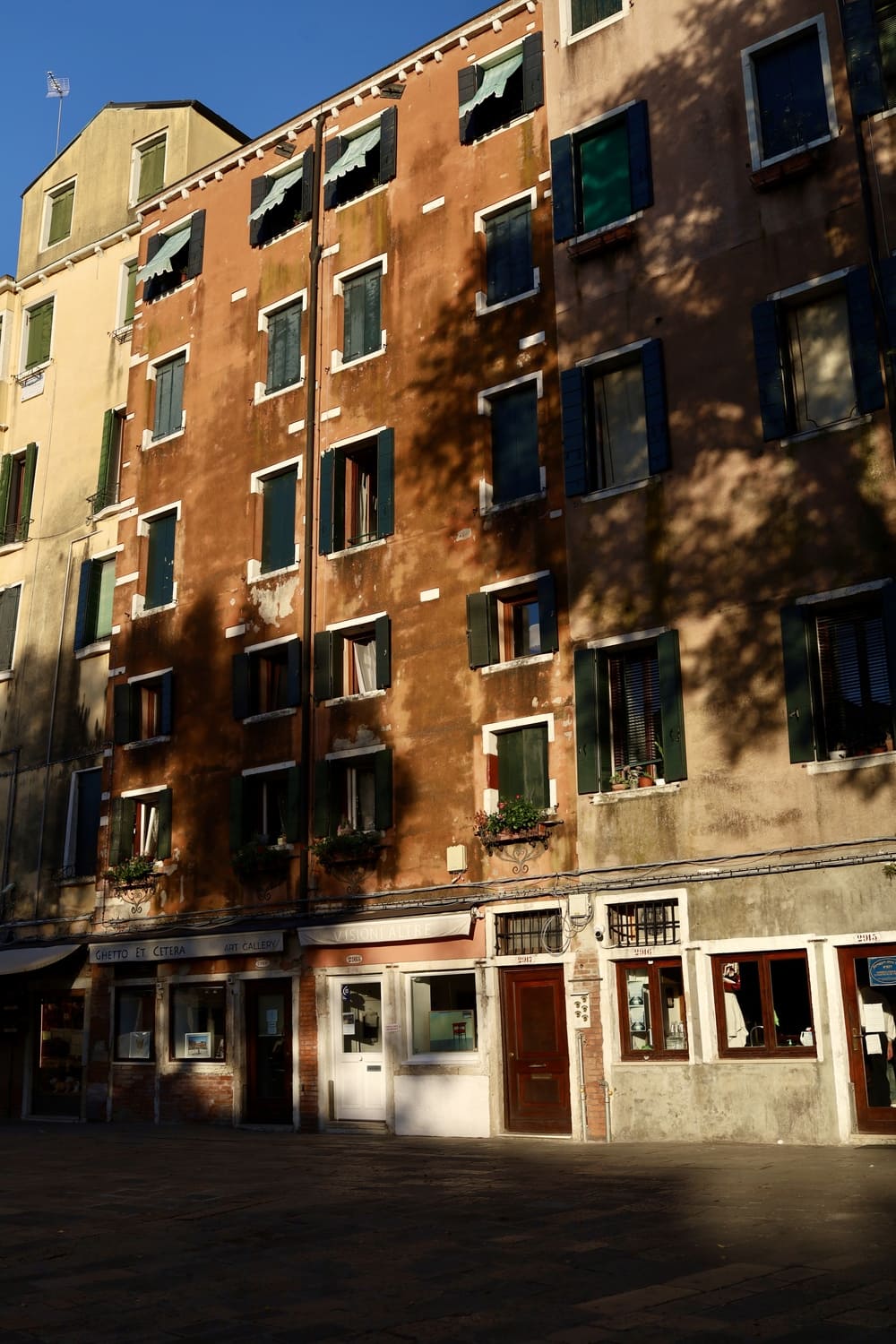
There’s an old ghetto and a new ghetto, spread across three small islands connected by bridges. What struck me most was how discreet the synagogues were. You’d never notice them from street level, but you could spot them by the domes on the rooftops if you knew to look up. Because so many people were packed into such a small footprint for so long, the buildings here are the tallest on the island.
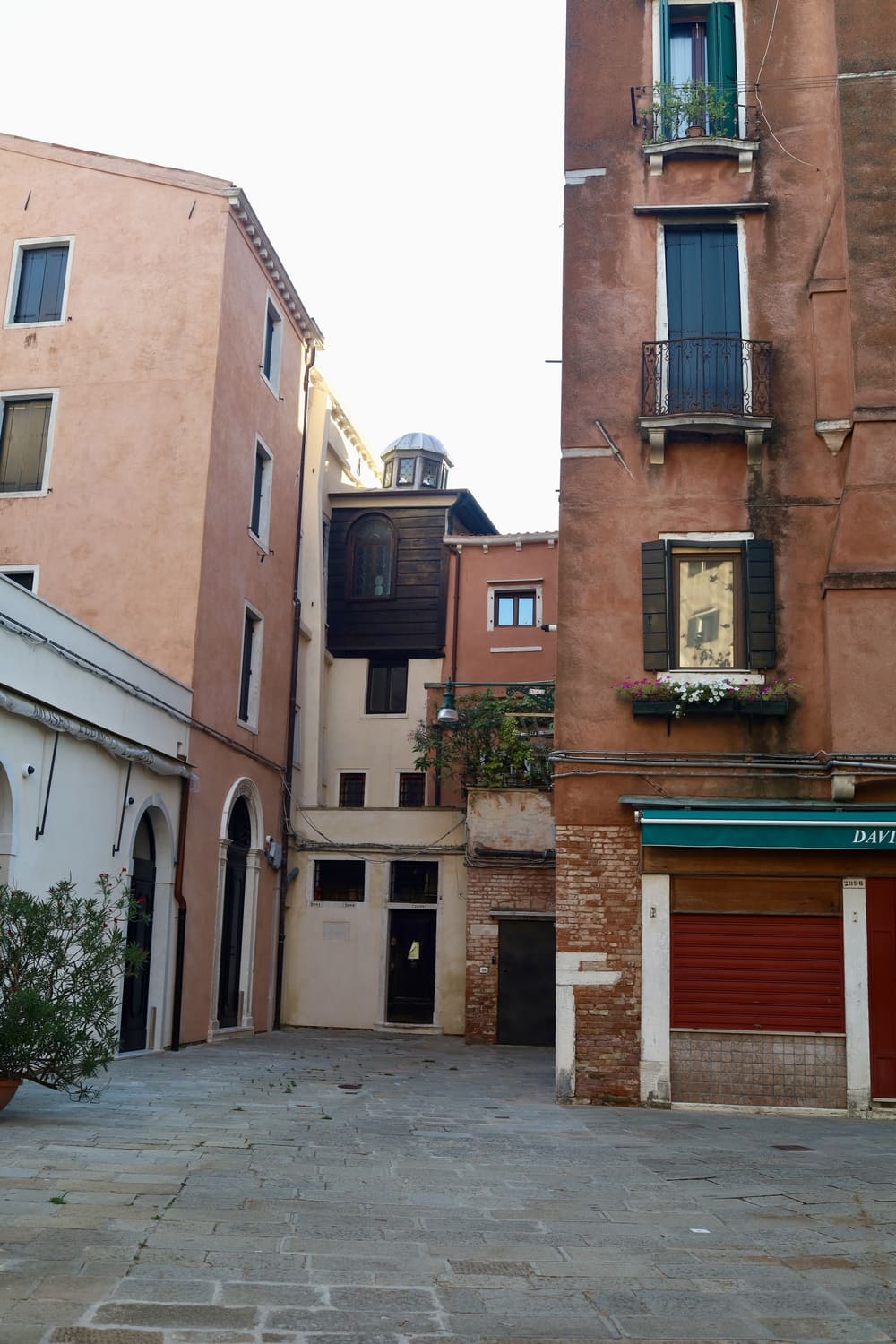
It’s free to wander, and it’s heavy history wrapped in a beautiful, walkable neighborhood.
6. Do a Cicchetti Crawl
If there’s one thing I’d tell you to prioritize in Venice, it’s this: skip the big sit-down dinner and do a cicchetti crawl instead.
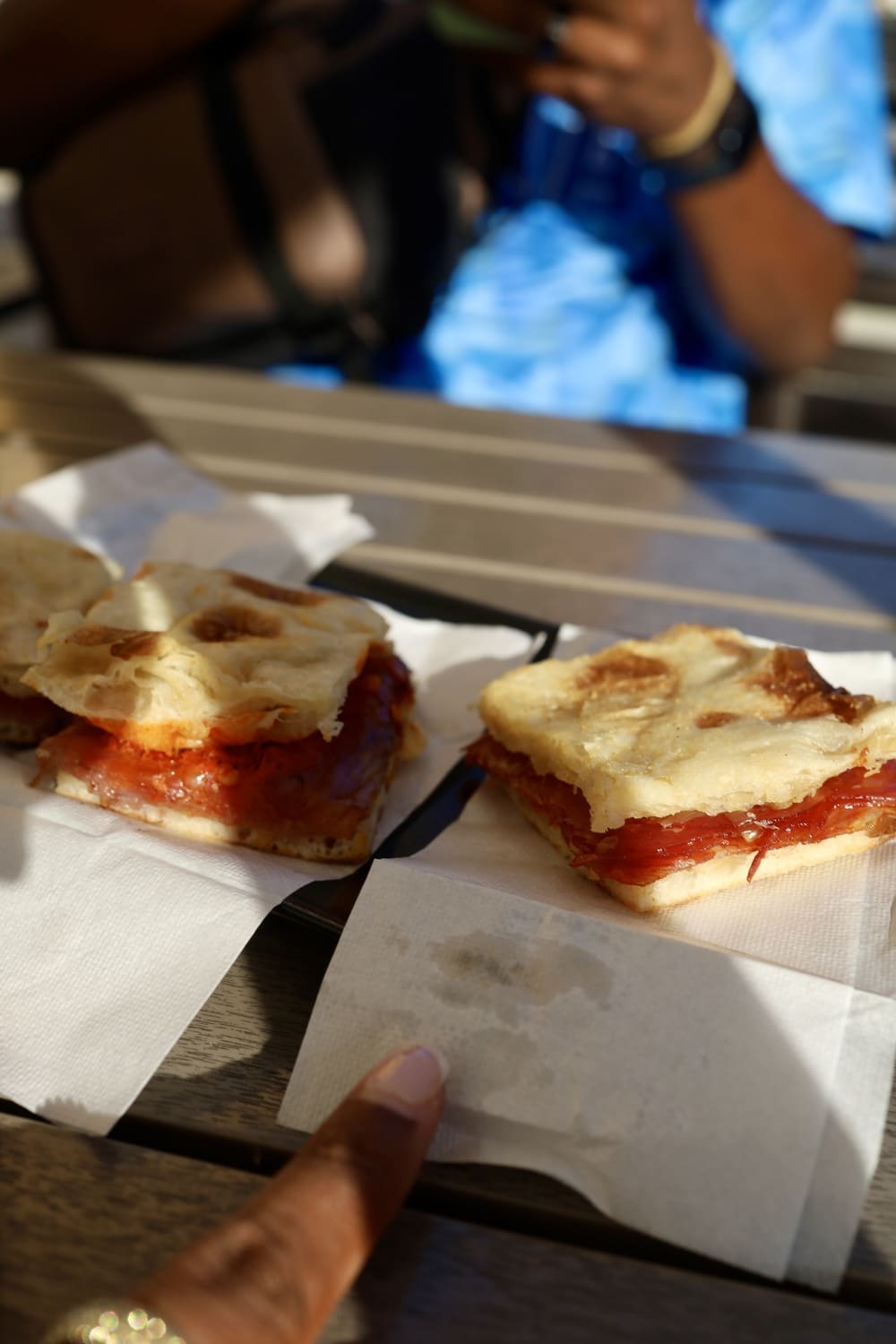
Cicchetti are Venice’s version of tapas, usually 1 to 3 euros a piece, eaten standing up canal-side with a glass of wine or spritz. Our first stop was a small osteria in Cannaregio, where the owner was warm and spoke great English. But of course, we still sprinkled in a little “grazie” anyway.
That ended up being the pattern all evening: everyone we ran into while cicchetti-hopping spoke English and seemed genuinely glad we were there.
7. Peggy Guggenheim Collection
If modern art is your thing, this museum, set inside her former home on the Grand Canal, is one of the more significant modern art collections in Europe.
Entry generally runs around 16 to 18 euros.
8. San Trovaso Art Space
If contemporary art is more your speed, this space has rotating collections worth the visit. While we were there, we saw works by John Beadle and Lavar Munroe commemorating the African diaspora.
Free to enjoy.

9. Libreria Acqua Alta
Widely considered the most beautiful bookstore in the world, and a highlight of our second day in Venice. Books piled into bathtubs, stacked inside a full-sized gondola, spilling out into a makeshift outdoor “staircase” made of soggy old paperbacks. It’s a working bookstore, not just a photo backdrop, so if something catches your eye, buy it. Free to walk through.
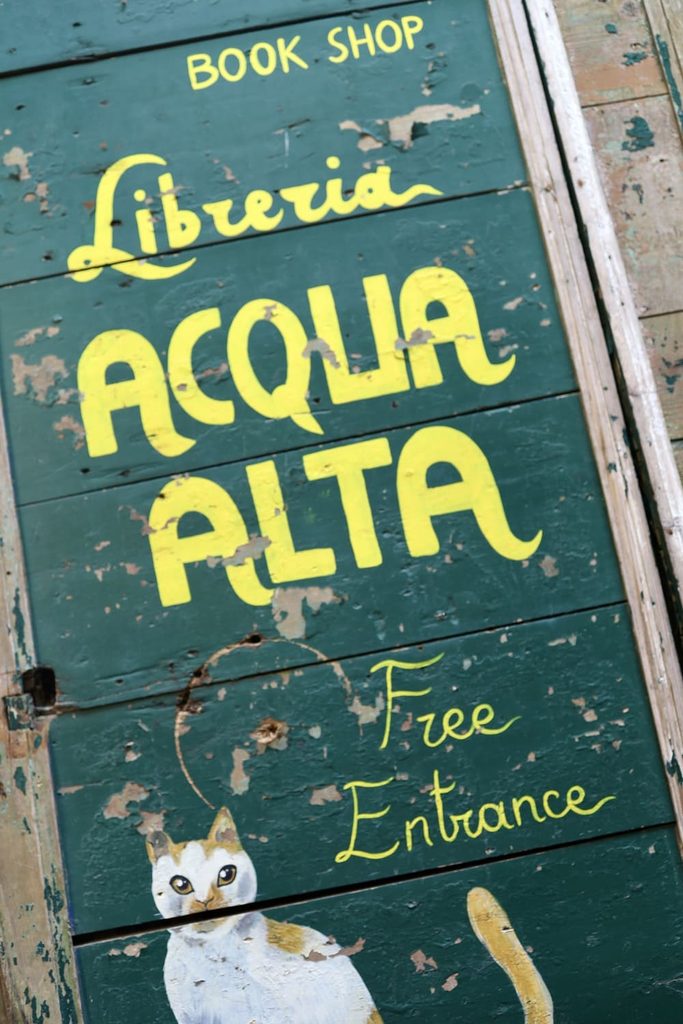
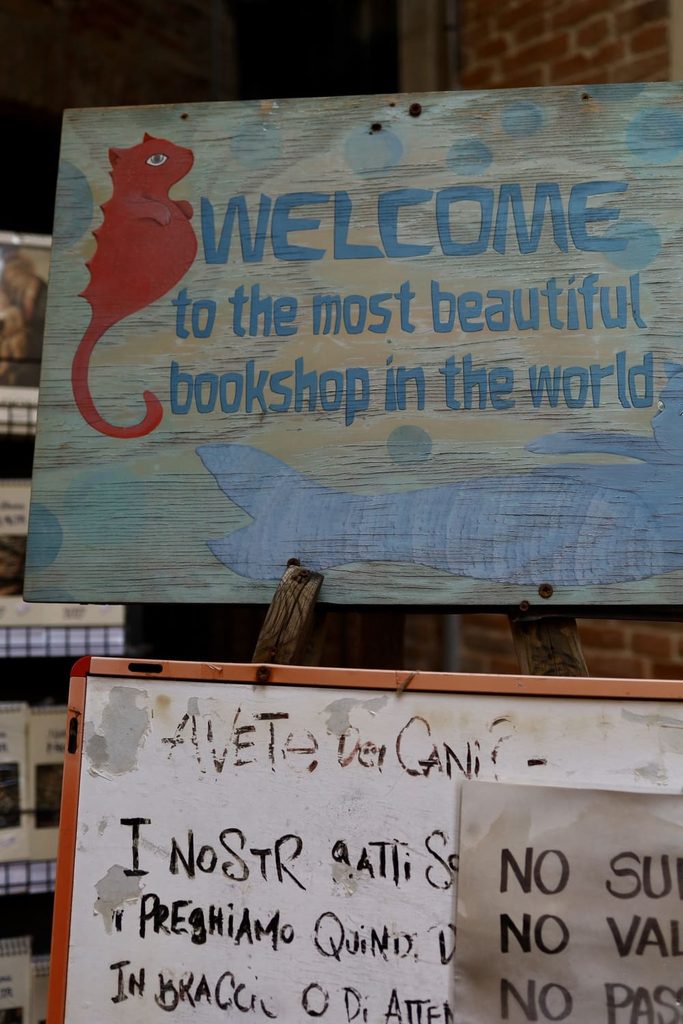

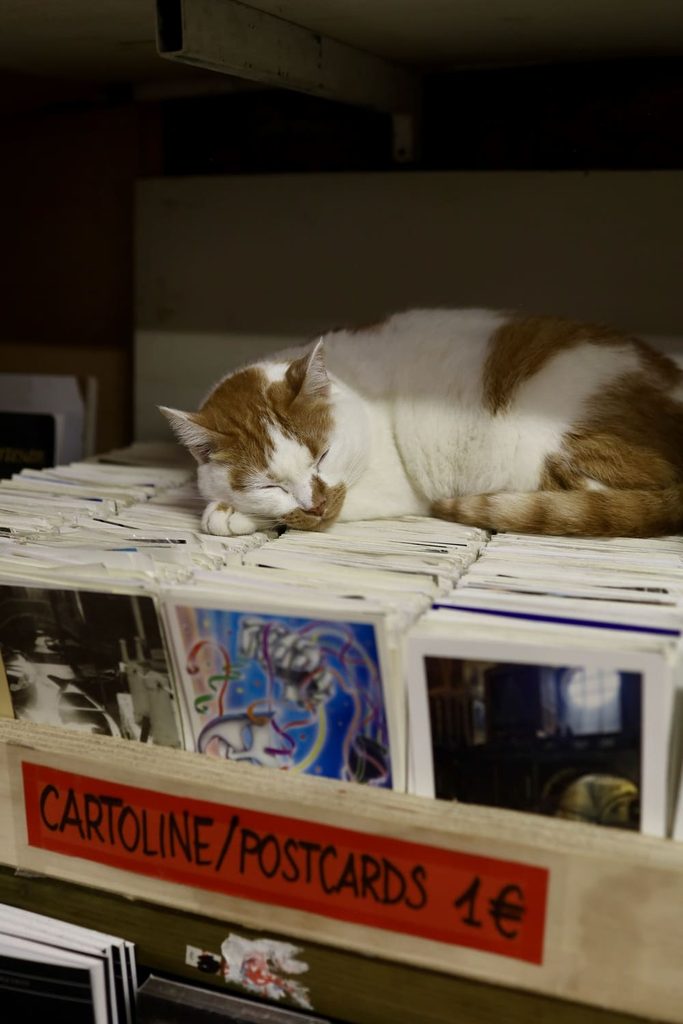

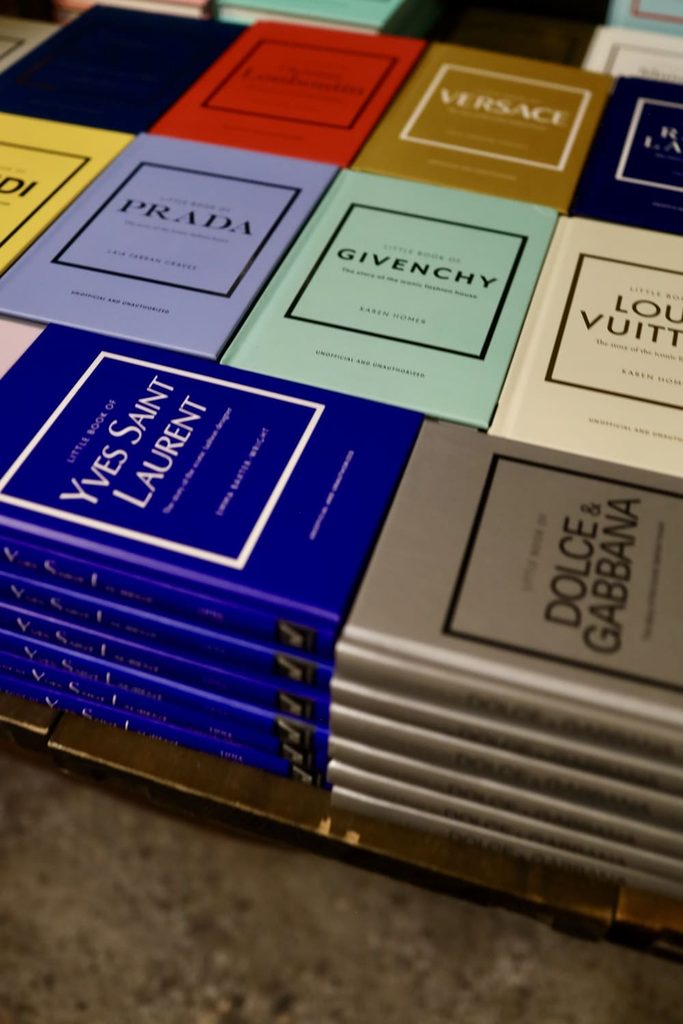
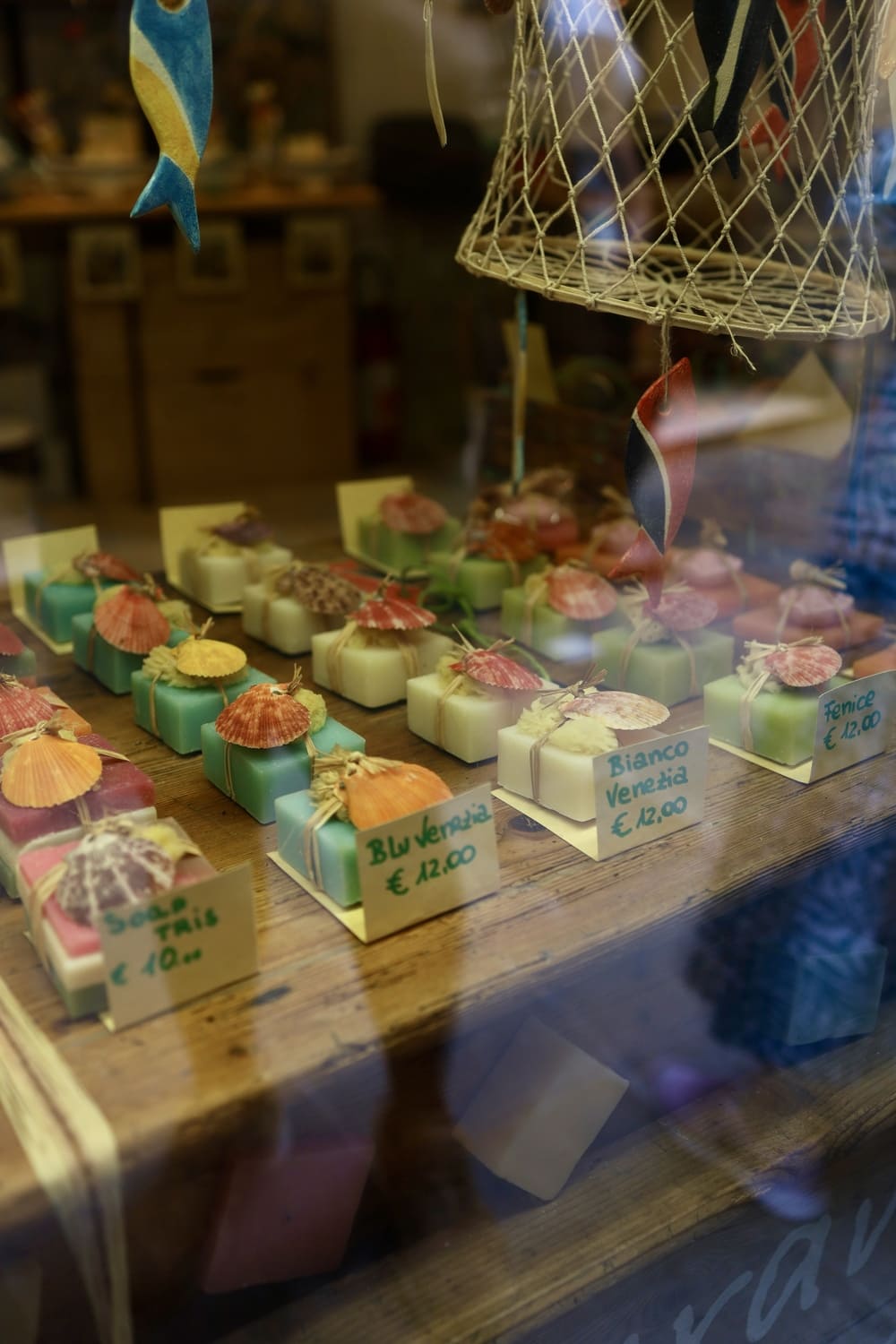
Right nearby, we turned a corner and got hit with a wall of soap and perfume smell strong enough to physically pull us toward it, the closest comparison is walking past a Lush store back home. It turned out to be Fragrance Sospese, a small soap and fragrance shop, and there was no version of me leaving without buying a few bars as souvenirs.
10. The Best Bellini in Venice
Skip the spritz debate for a second: our top drink recommendation in Venice is the Bellini, invented here at Harry’s Bar.
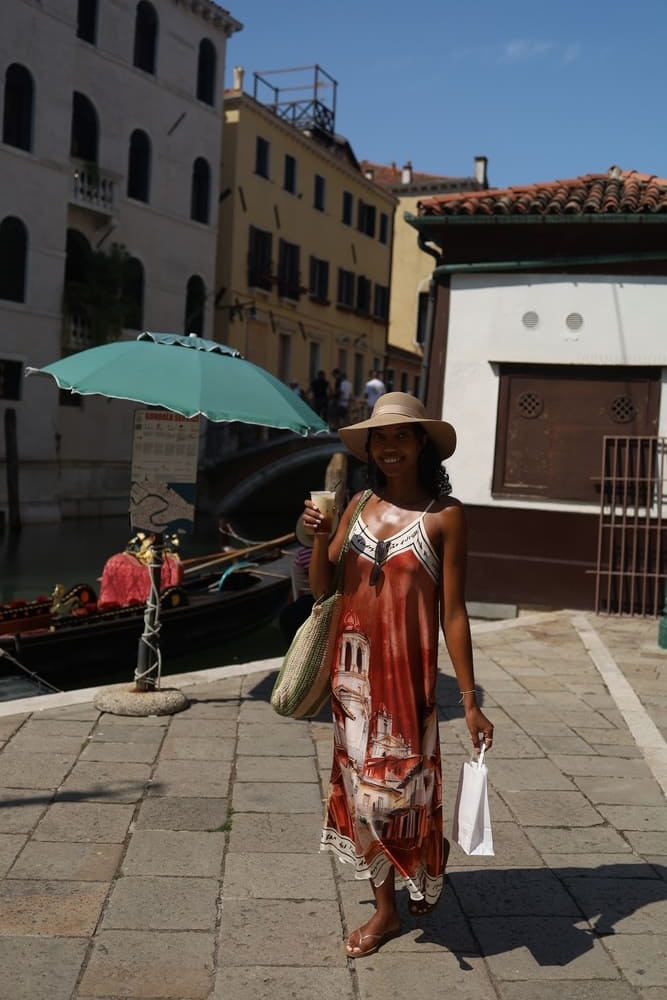
However, I had mine at Al Chiosetto, a little kiosk bar along Fondamenta delle Zattere, for only about 7 euros each. The person who handed it to me was beaming, like putting a good drink in front of a happy tourist made his whole shift. And I liked it enough to order a second round (plus a free bag of chips, girl dinner, basically).

I even had one more Bellini in the Venice Marco Polo Airport lounge before flying home.

11. Grabbing Gelato in Venice
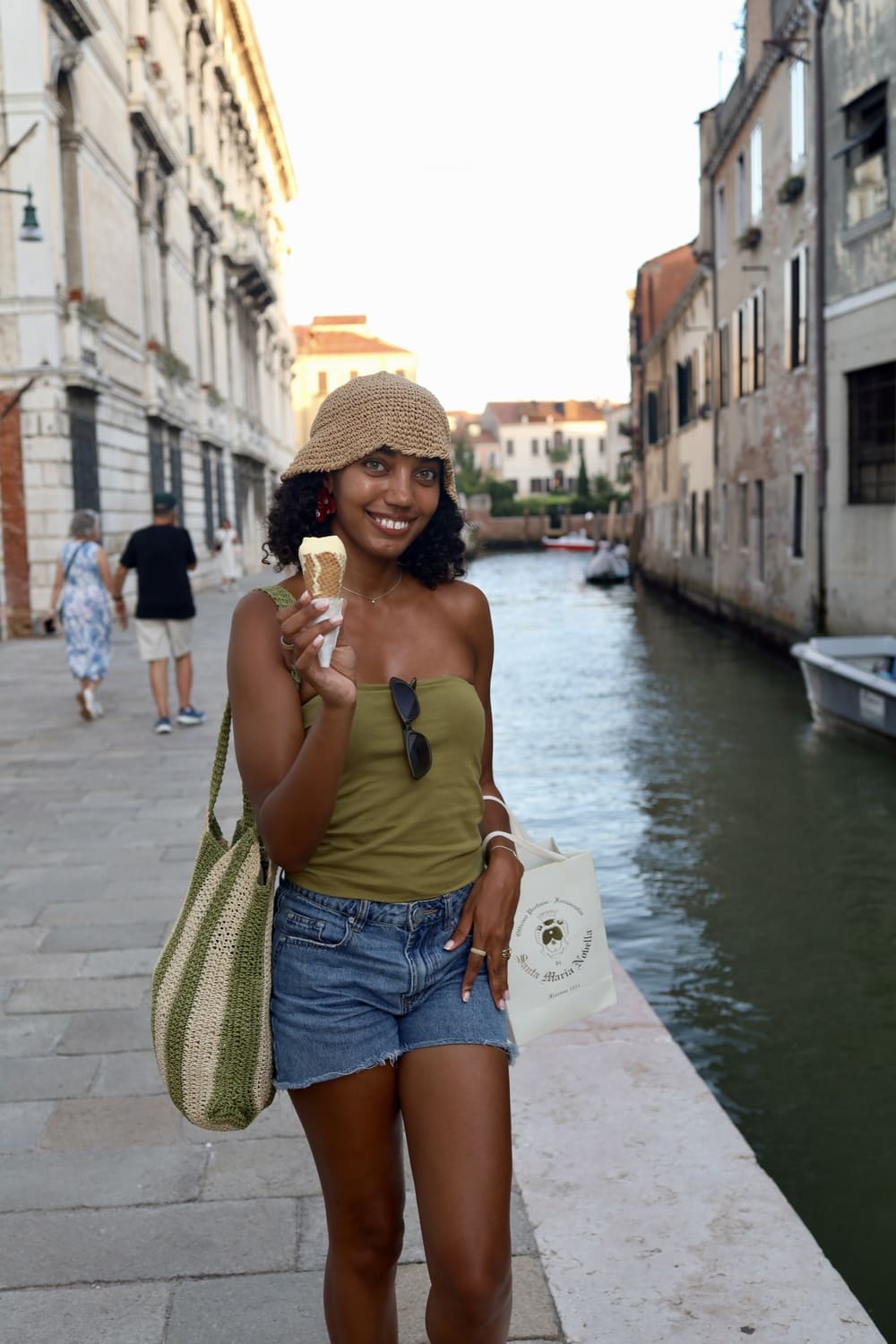
If gelato’s on your list, and it should be, Gelatoteca Suso, tucked down a small street near the Rialto Bridge, is the spot most people end up photographing over the canal. If there’s a line, Gelato di Natura and Gelateria Il Doge are both well-reviewed and known for keeping things simple and made fresh in-house.
We also really enjoyed stopping by Bacaro del Gelato in Cannaregio.
12. Getting Lost in Venice (On Purpose)
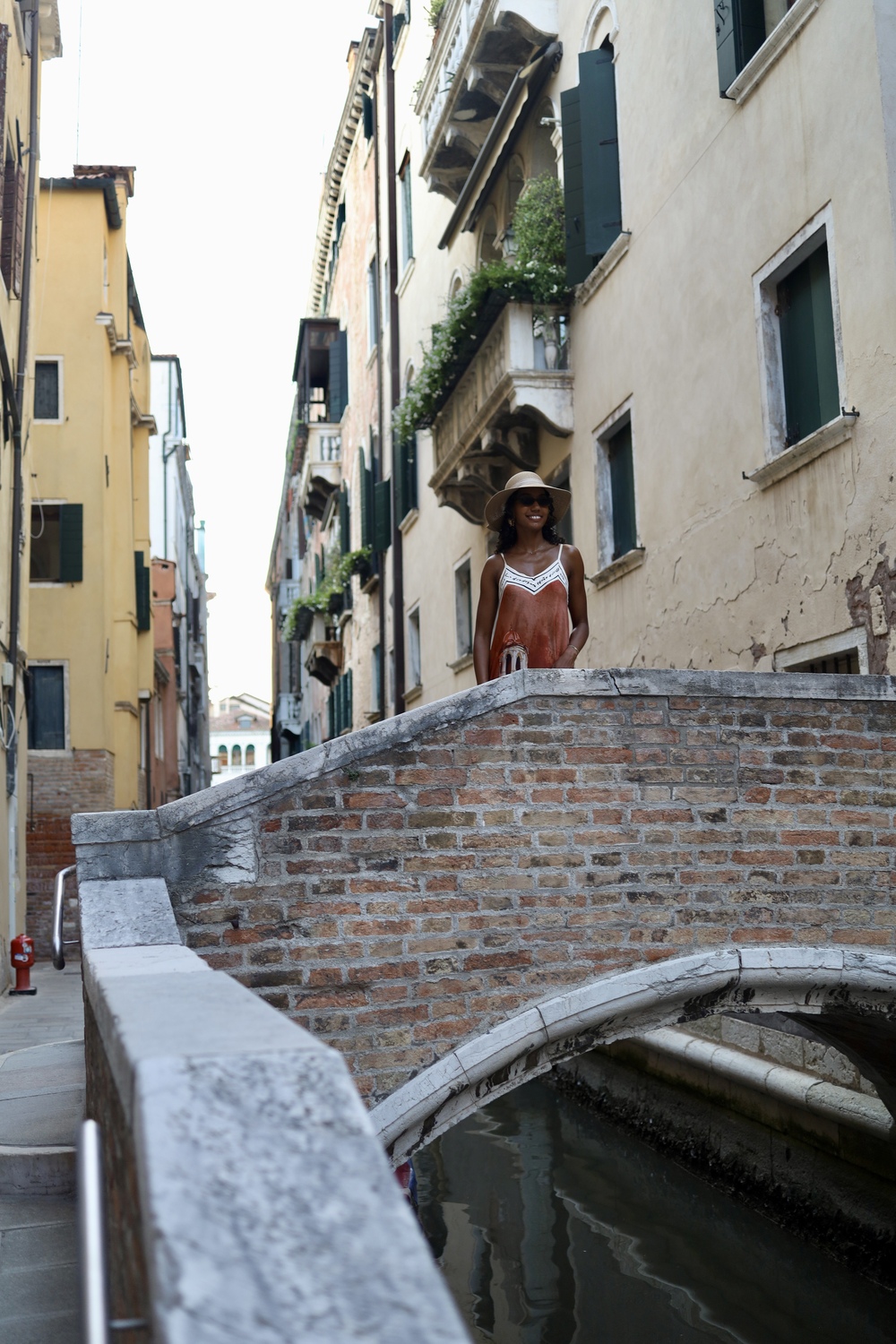
Put the map away sometimes and just follow whatever smells or sounds good: fresh pizza dough, someone’s grandmother’s pasta sauce drifting out an open window, a shop selling handmade Carnevale masks.
Turn a corner, dead-end at a quiet canal you didn’t expect, turn around, cross a different bridge, end up somewhere else entirely. We hit well over 20,000 steps each day in Venice without ever consulting a map for more than a few minutes at a time.
One practical note while you’re wandering: Venice is popular enough with pickpockets that it’s worth keeping bags zipped and close, especially in the packed stretches between the train station, Rialto, and San Marco.
13. San Giorgio Maggiore
If you’ve got extra time, San Giorgio Maggiore sits on its own small island directly across the water from Piazza San Marco, a couple of minutes away by vaporetto.
It sees a fraction of San Marco’s crowds, and its own bell tower (around 6 euros) offers one of the best panoramic views in Venice, including the Piazza San Marco skyline in your shot, which you can’t get from the other tower since you’re standing on it.
14. Murano & Burano: The Lagoon Islands
We didn’t personally make it out here, but it would feel wrong to leave them off, since they’re a popular day trip and would be a good third-day add-on in our itinerary.
Murano is the closer of the two, about a 10-minute vaporetto ride from the Fondamente Nove stop in Cannaregio (covered under your regular ticket or pass), known for centuries of glassmaking. You can watch live glassblowing demonstrations, some free and some paid, and pick up actual Murano glass.
Burano is further out, closer to 45 minutes each way, known for its rainbow-colored houses and handmade lace. It sees fewer visitors than Murano simply because of the extra travel time, which, if you’ve got a spare day, might make it the better payoff.
2 Things I’d Skip in Venice
1) Waiting in line to go inside St. Mark’s Basilica. We looked at the line, weighed it against everything else on our list for the day, and decided the exterior was enough for us. We don’t regret it, the outside alone was one of the most memorable stops of the trip, but if the interior mosaics are a bigger draw for you than they were for us, budget extra time for the wait, or book a skip-the-line ticket in advance.
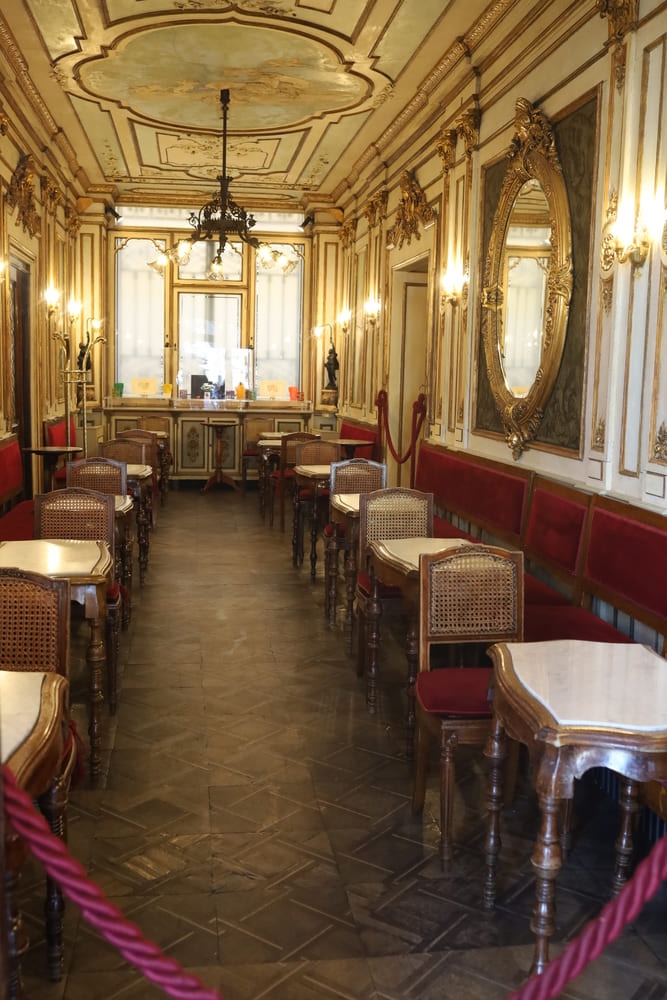
2) Caffè Florian’s orchestra premium. Considered the oldest coffee house in Europe (established in 1720), with a live orchestra playing right on Piazza San Marco while you sip, but expect to pay well over 10 to 15 euros for a simple coffee, partly to cover that live music charge.
We opted for a shakerato (iced espresso, shaken until frothy, exactly what you want in Euro summer heat) instead at Zanzibar, an espresso bar over in Campo Santa Maria Formosa, for a fraction of the cost. Then walked over to Piazza San Marco, observed the live music at Caffè Florian, and continued on with our sightseeing. Do the Florian splurge if the atmosphere is worth it to you specifically, just know both options exist before you sit down.
Getting to Venice
If you’re coming from Rome, arriving off a cruise the way we did, or flying in directly, here’s the real breakdown, because I wish someone had laid this out for me before we went.
By Train from Rome
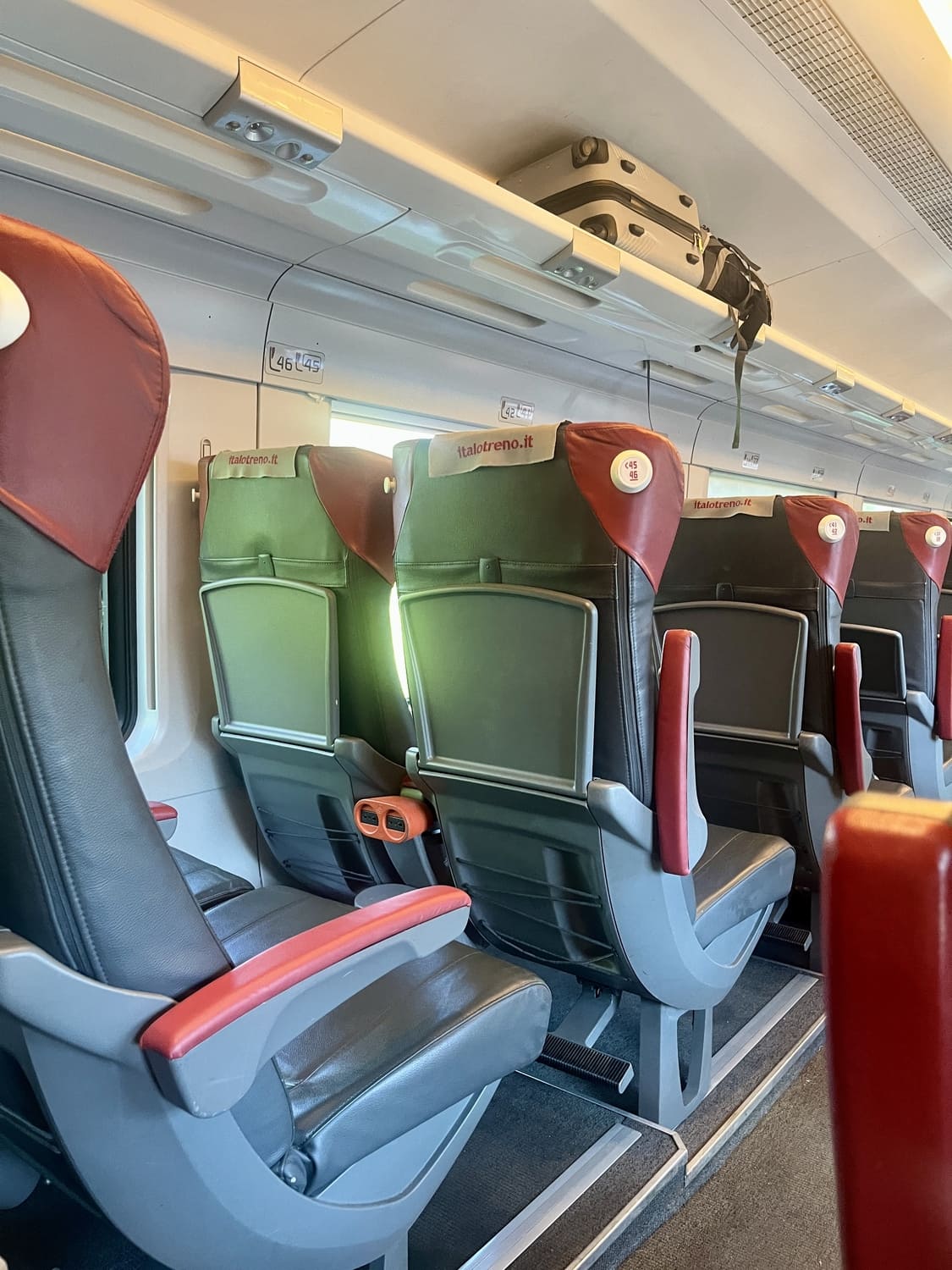
We took the local bus from the Civitavecchia cruise port to the train station (6 euros per person), then a Trenitalia regional train to Rome (open seating, booked online for about 4.60 euros per person). From Roma Termini, our train to Venice was Italo, the private high-speed line with assigned seating.
Quick tip: check your email for seat updates before you board, ours changed without much notice.
There’s overhead room for luggage (though not for anything super bulky), free Wi-Fi with movies and shows to stream, and the whole thing is more comfortable than flying economy. It took us a little over 4 hours to get from Rome to Venice by train.
Worth knowing: Trenitalia also runs its own high-speed trains on this same Rome-to-Venice route (you’ll see Trenitalia trains at Venice’s station too, not just Italo), so it’s worth comparing both before you book. Fares on either line generally run anywhere from about 20 to 60 euros per person depending on how far ahead you book, so grab tickets early if you can. Both companies use Venezia Santa Lucia as their final stop.
By Plane, Landing at Marco Polo Airport
There’s no direct train from the airport into Venice, so you have three real options. The cheapest is the ACTV Aerobus (bus line 5), which runs about 10 euros one way or 18 euros round trip and takes roughly 24 minutes to Piazzale Roma, the closest you can get to the historic center by land.
The scenic option is Alilaguna, a separate water bus company that runs boats directly from the airport into the city; it’s worth knowing Alilaguna is not the same as the regular ACTV vaporetto you’ll use to get around once you’re in Venice, so your ACTV day pass won’t cover it, you’ll need a separate ticket.
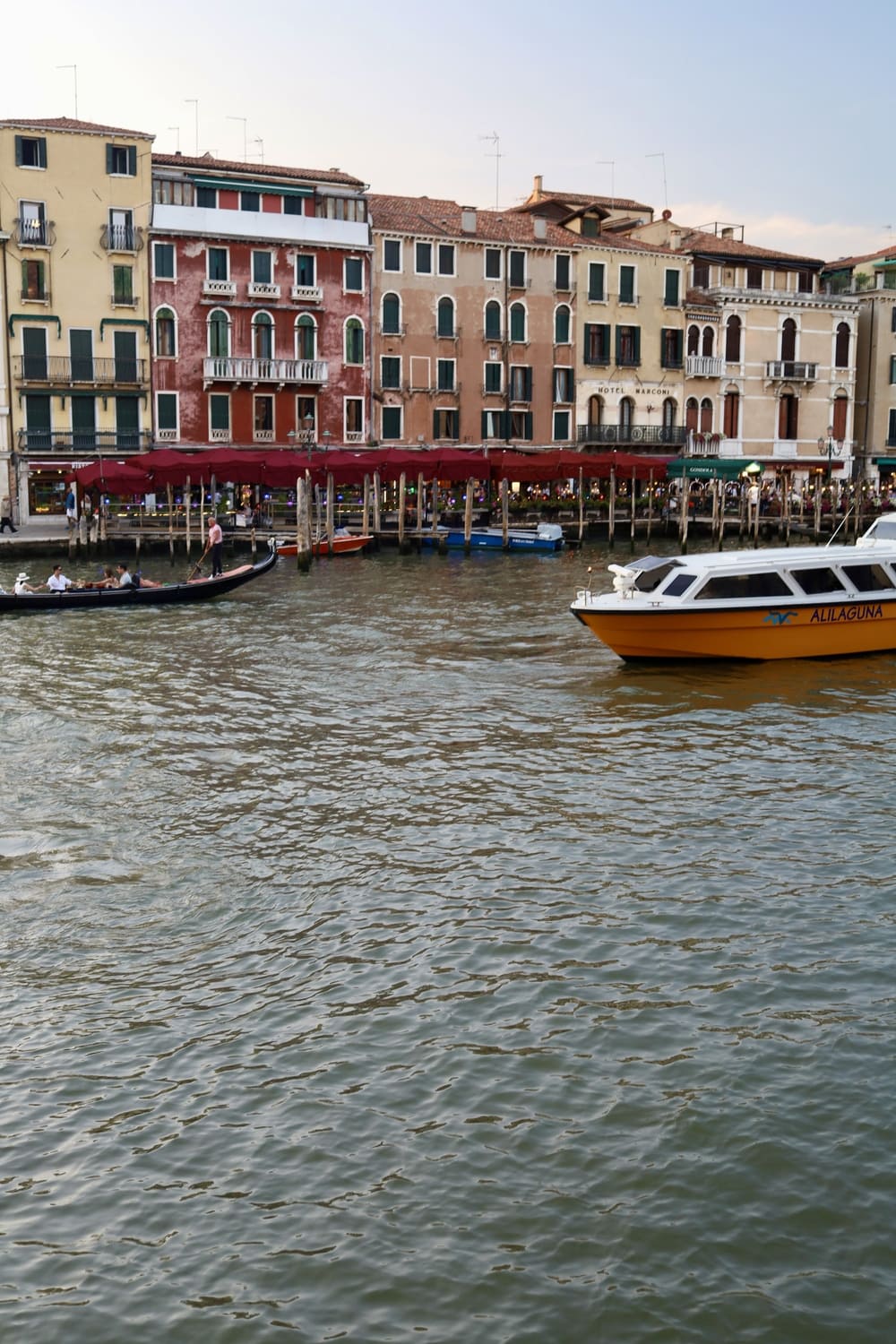
The fastest but priciest option is a private water taxi straight from the airport to your hotel, at a fixed rate well above either of the other two.
Luggage Storage in Venice
If you land in the city with time to kill before you can check in, storage is easy to find. There are official counters right inside Venezia Santa Lucia train station, plus independent storage counters just outside it.
Side note: using the restroom at the station will run you 1.20 euros.
We used Kipoint Kibag, right inside the train station: about 6 euros per bag for the first 4 hours. Then just outside the train station, we spotted a competing storage counter charging a flat 5 euros for the whole day.
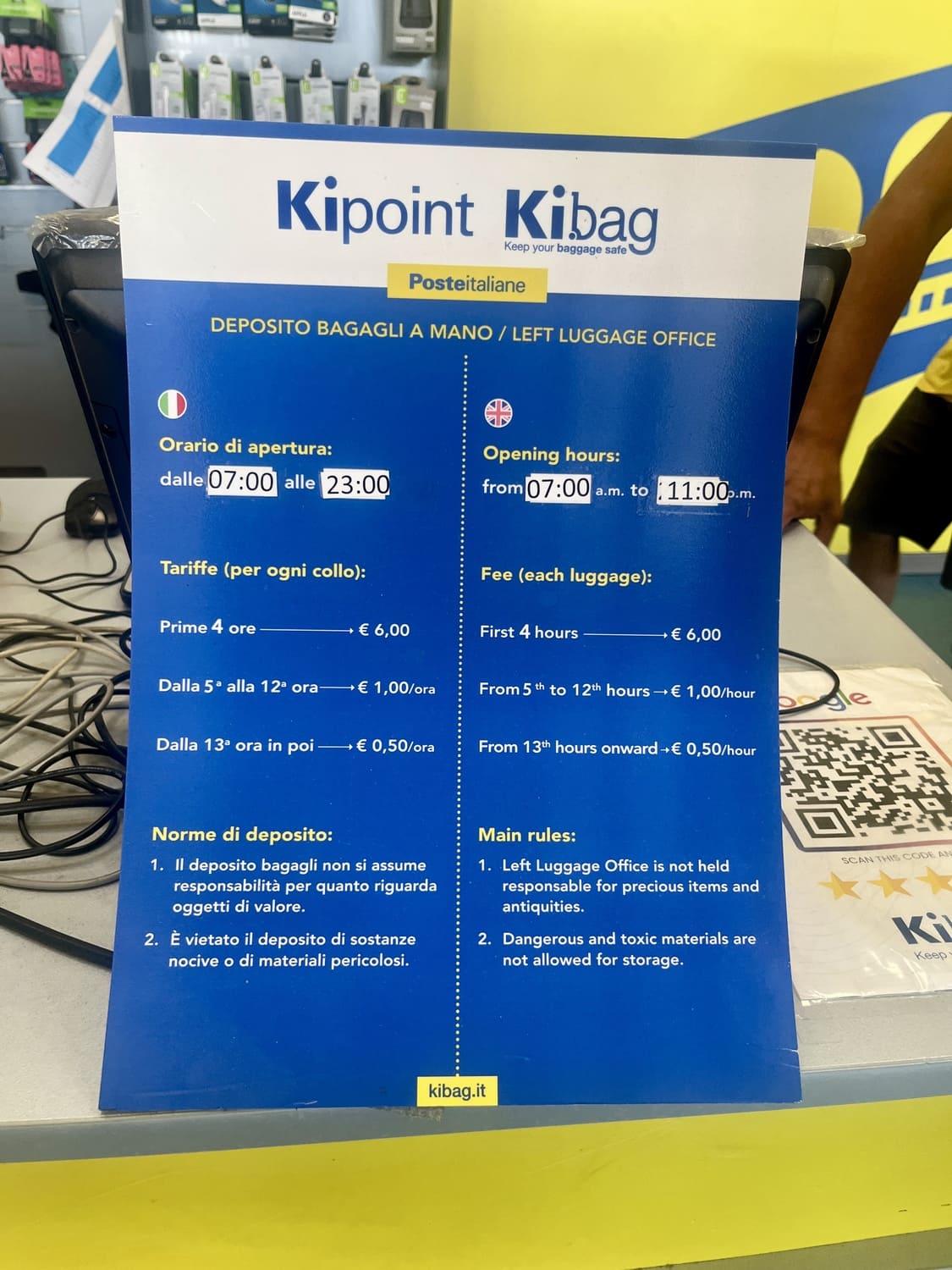
Compare your options before you commit to the first counter you see, since prices vary more than you’d expect for what’s essentially the same service.
Getting Around: Vaporetto, Traghetto and Gondola
We landed in Venice without really knowing the price differences between all of this, so let’s fix that for you.
The vaporetto is Venice’s public water bus, and it’s the only public transport inside the historic city. A single ticket costs 9.50 euros and covers unlimited transfers for 75 minutes from validation.
Day passes are the better deal if you’re taking three or more rides in a day: 25 euros for 24 hours, 35 euros for 48 hours, 45 euros for 72 hours, 65 euros for a week, all valid from the time of your first tap, not from midnight. Buy one at any self-service kiosk on the docks, a ticket window, or the AVM Venezia app. If you’re staying in Mestre like we did, the pass also covers Trenitalia’s regional trains between Santa Lucia and Mestre, so it doubles as your commute ticket.
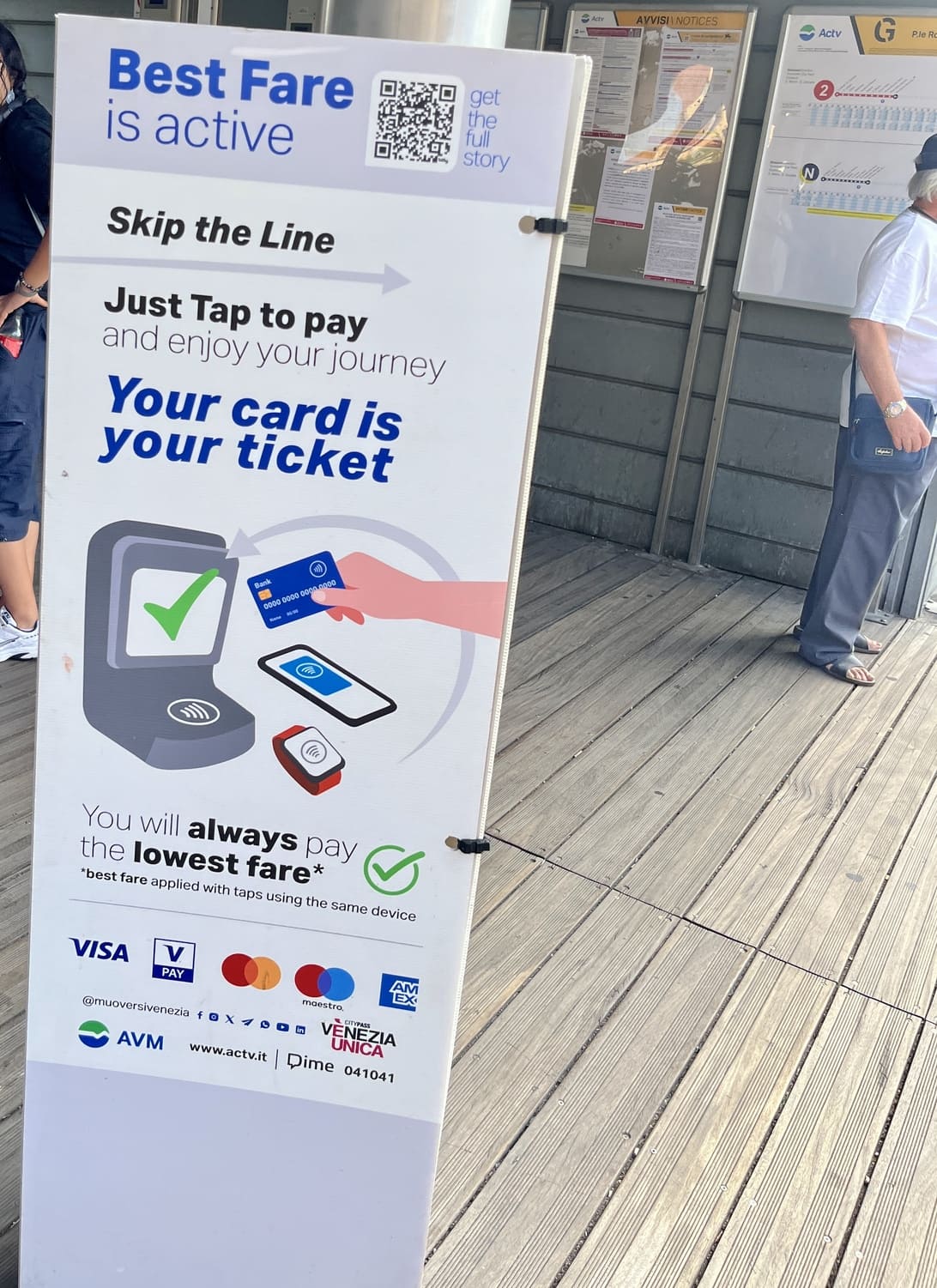
Most stops also let you tap a contactless card directly instead of buying anything first, and one card can cover your whole group: tap the same card or phone once per person at the reader, back-to-back within about 60 seconds, up to five people. Stay together during the ride, since inspectors may ask to see the card that paid for everyone. ACTV’s “Best Fare” system automatically caps what’s charged across the day too, as long as you keep using that same card every time.
One catch: on the vaporetto, each person only taps IN once, before boarding, no tap-out needed. Land buses work differently, you tap in when you board and tap out when you get off, and skipping the tap-out gets you charged the route’s maximum fare instead of the actual distance on the bus.
Here’s where we went wrong: we didn’t know a single tap for the vaporetto was 9.50 euros, way more than the buses we’d been taking elsewhere in Italy, and we hadn’t bought a pass. Two taps in, we finally realized the total and got spooked, assuming we’d rack up an open-ended bill. So we just started walking everywhere instead. In actuality, a third ride using the same card would have triggered the cap and locked us into the day-pass rate automatically, we just didn’t figure that out until we’d left Venice.
Line 1 hits every stop along the Grand Canal, the slow scenic ride worth doing once. Line 2 covers the same stretch faster with fewer stops. Whichever you’re using, tap at the pontoon every time, even with a pass, skipping it risks an on-the-spot fine.
The traghetto is the cash-only public gondola crossing, 2 euros per person, about 2 minutes straight across the Grand Canal. It stops running before sunset (around 7pm), so go earlier for a quieter, less crowded ride and better photos.
A private gondola runs 90 euros for 30 minutes (9am–7pm) or 110 euros for 35 minutes after 7pm, per boat, up to 5 people. These are cash only if you reserve one in person. If you’d rather pay by card, book a private gondola ride online here ahead of time instead.
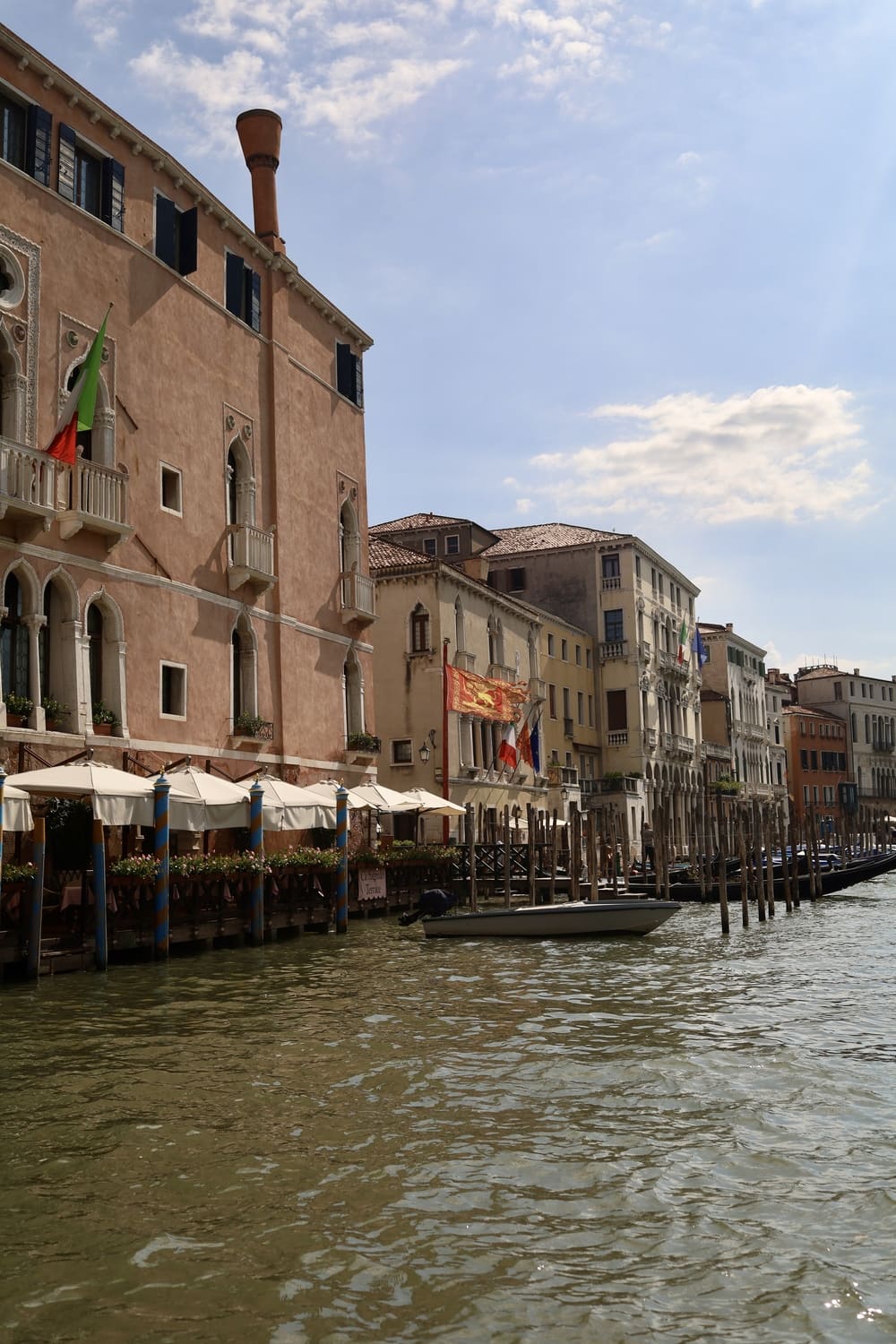
If you want the canal view without the gondola price, the vaporetto’s your move. If your route’s walkable, walk it, because did you even go to Venice if you didn’t get lost wandering at least once?
Practical Tips for Visiting Venice
- Check the vaporetto pricing before you tap. It’s not the flat, cheap fare you’d expect from local transit. Compare single tickets against a day pass if you’re taking more than two or three rides.
- Bring cash for the traghetto. It’s cash-only, and it stops running before sunset.
- Budget for restroom fees. Public restrooms near the train station run about 1.20 euros.
- Compare luggage storage prices before committing to the first counter. We found a flat 5-euro all-day option just steps from a 6-euro-for-4-hours counter.
- Give yourself extra time to get anywhere. Between the dead ends and the bridges, “it’s a 10-minute walk” on Google Maps can easily become 20, and that’s part of the charm.
- Keep your bag zipped and close in crowded stretches. Venice sees its share of pickpockets, like any heavily touristed city.
- Consider travel insurance that also covers theft, not just trip cancellation and hospitalizations. Pickpocketing claims are common enough in heavily touristed cities that it’s worth checking your policy covers it before you go, rather than finding out the hard way. We use SafetyWing for ours. Check a quote below to see if it makes sense for your trip.
FAQ
What should you not miss in Venice?
A cicchetti crawl through Cannaregio, a walk through the old Jewish Ghetto, and at least one Bellini by the water. If you’re doing the big sights too, St. Mark’s Basilica and the Rialto Bridge at a quieter hour (early morning or evening) are worth prioritizing over anything else on the main tourist path.
Is 3 days in Venice enough?
Two full days is enough to fall for the city. One for the quieter neighborhoods, one for the major sights. Three days gives you breathing room to slow down, and possibly add a day trip out to Murano or Burano if you want to go further.
Is Venice a walkable city?
Extremely. There are no cars or bikes anywhere in the historic center, and walking is often faster (and always cheaper) than the vaporetto for shorter distances. Just build in extra time, the maze of bridges and dead ends means your walking time will almost always run longer than a map app predicts.
What are the do’s and don’ts in Venice, Italy?
Do carry cash for the traghetto, do wander off the main San Marco-to-Rialto path (that’s where the best food and quietest streets are), and do compare prices before committing to the first luggage storage or transit ticket in front of you. Don’t tap to pay on the vaporetto without checking the price first, don’t expect a sit-down dinner to be more special than a cicchetti crawl, and don’t have valuables out in crowded spots like the vaporetto or café tables, Venice draws its share of pickpockets like any heavily touristed city.
Final Thoughts on the Best Things to Do in Venice
If you only have one full day, prioritize the Basilica exterior, Doge’s Palace, and Rialto Bridge in the morning before the crowds build, then spend your evening doing exactly what we did: a cicchetti crawl through Cannaregio. If you’ve got a second day, that’s when Murano, Burano, or just getting intentionally lost earns its place. Venice rewards slowing down more than almost anywhere else we’ve been, so don’t over-schedule it.
Once you’ve got your days planned out, check out our Where to Stay in Venice guide for exactly where to base yourself, or our best spritz in Italy guide for the full Aperol-vs-limoncello-vs-Select rundown.