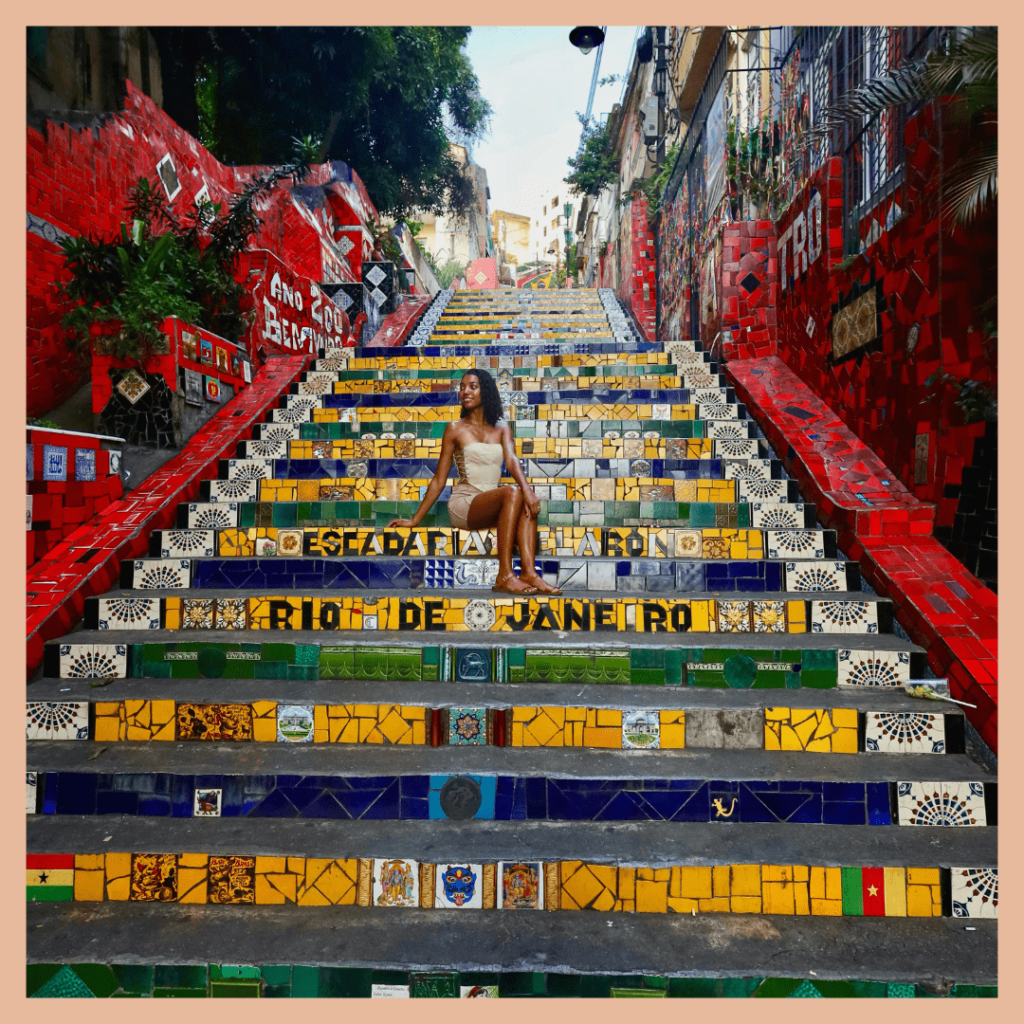
Planning to visit Escadaria Selarón in Rio? Here’s what to expect, safety tips, best times to go, and how to make the most of your visit.
Disclosure: This post may contain affiliate links, which means we’ll receive a commission if you purchase through our links, at no extra cost to you. Please read full disclosure for more information.
The Selarón Steps are one of those places in Rio that almost everyone adds to their list.
The tiles are bold, colorful, and instantly recognizable.
When we visited, we wanted to see whether it felt like a quick photo stop or something worth slowing down for.
If you’re planning to go, it helps to know how to find it, what the surrounding area is like, and how to visit in a way that actually makes sense for your itinerary.
Here’s everything we learned from being there ourselves.

What Is Escadaria Selarón?
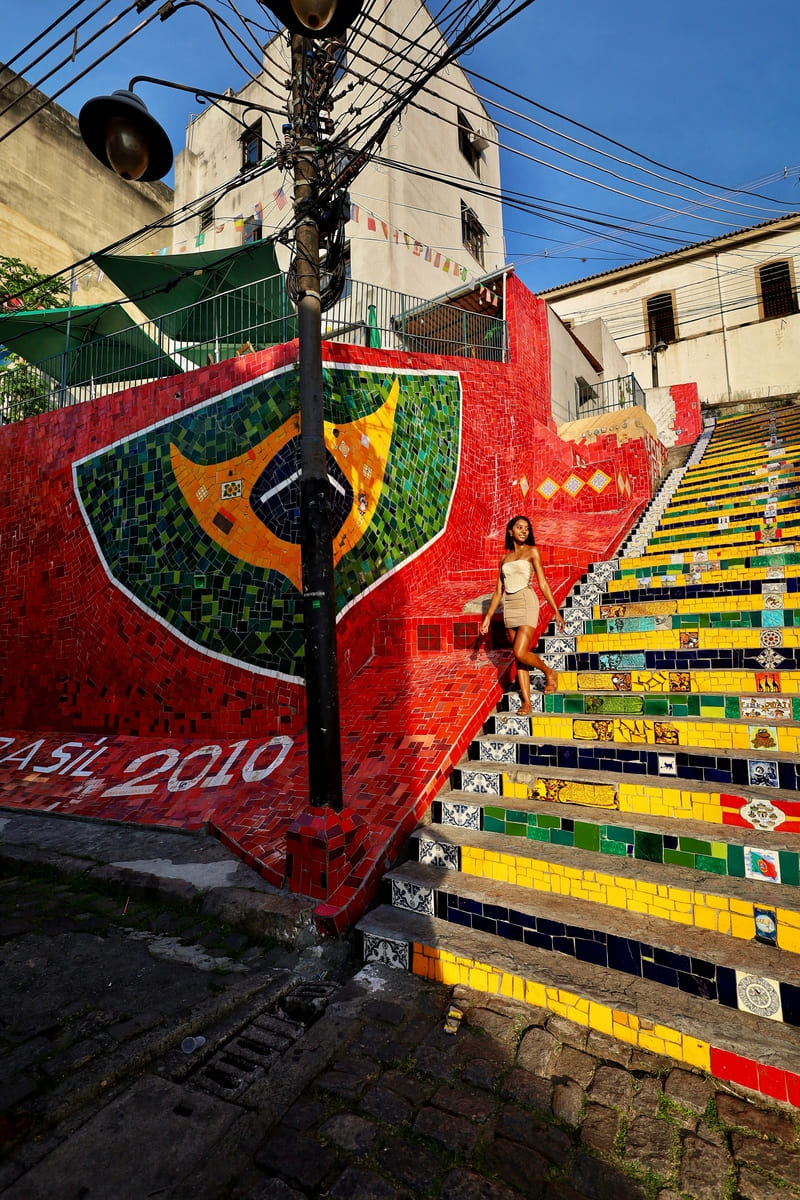
Escadaria Selarón, often referred to as the Selarón Steps, is a mosaic staircase located in the Lapa neighborhood of Rio de Janeiro.
It connects Lapa to Santa Teresa and has become one of the city’s most photographed landmarks.
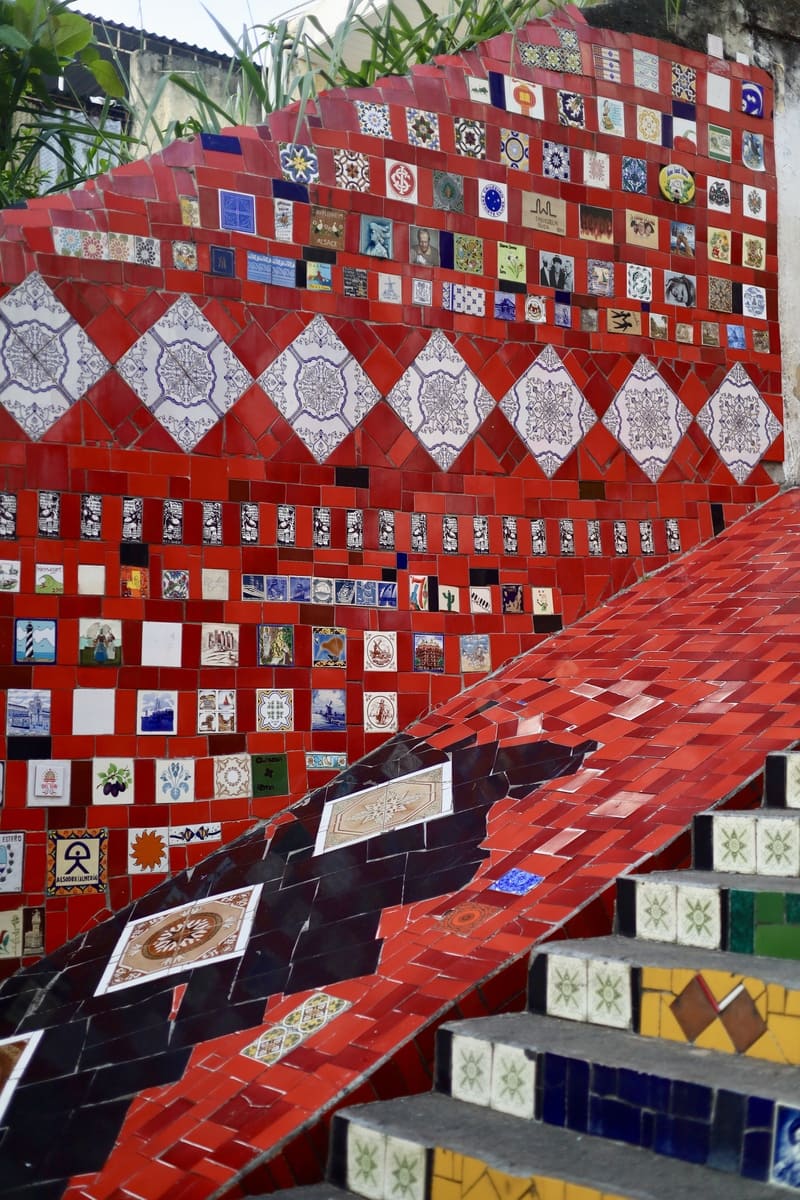
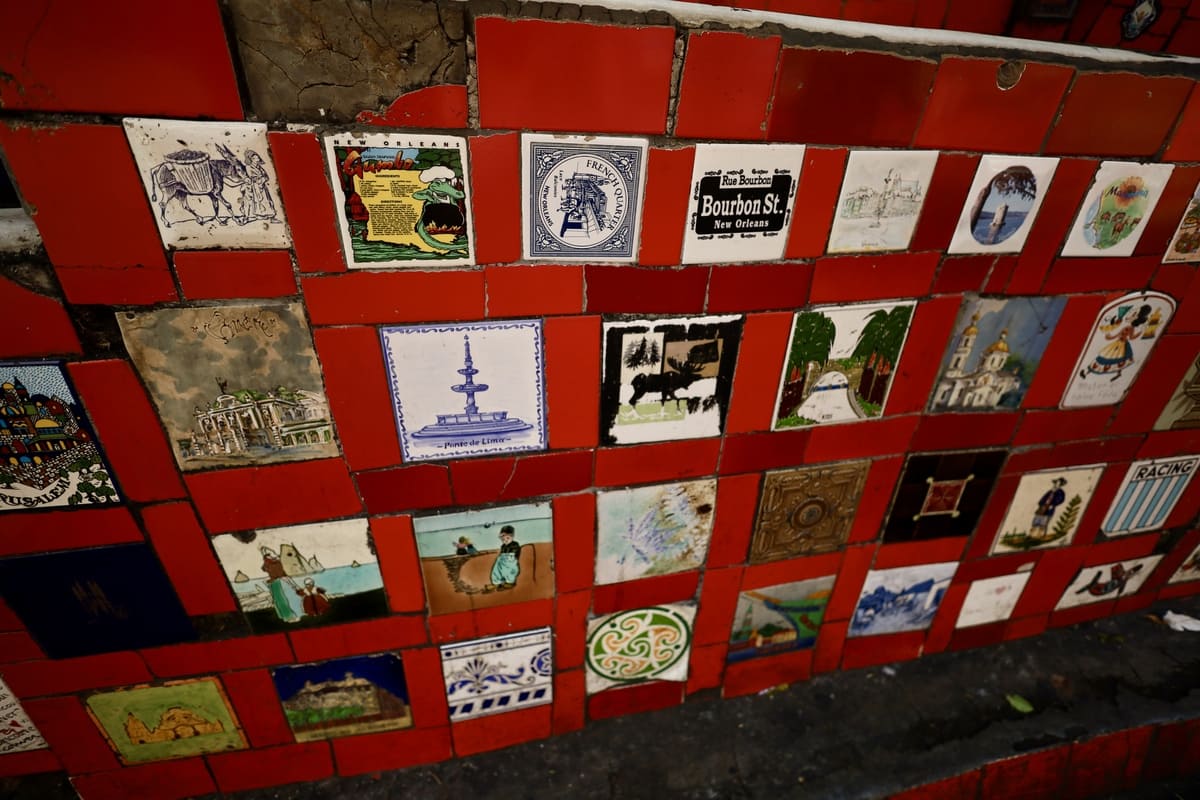
The staircase features more than 2,000 tiles from over 60 countries and continues to draw visitors from around the world.
Why the Selarón Steps Meant Something to Me
The year is 2003.
You’re watching 106 & Park waiting for the “New Joint of the Day,” and “Beautiful” by Snoop Dogg, Pharrell, and Charlie Wilson comes on.
The music video flashes scenes of Rio. Bright colors, sun, movement. And then those stairs.
That was my first introduction to Brazil. Long before I ever boarded a flight here.
Seeing those steps on screen planted something. Years later, actually standing on them felt full circle.
But the story of the staircase started long before my memory of it.
The History of Escadaria Selarón
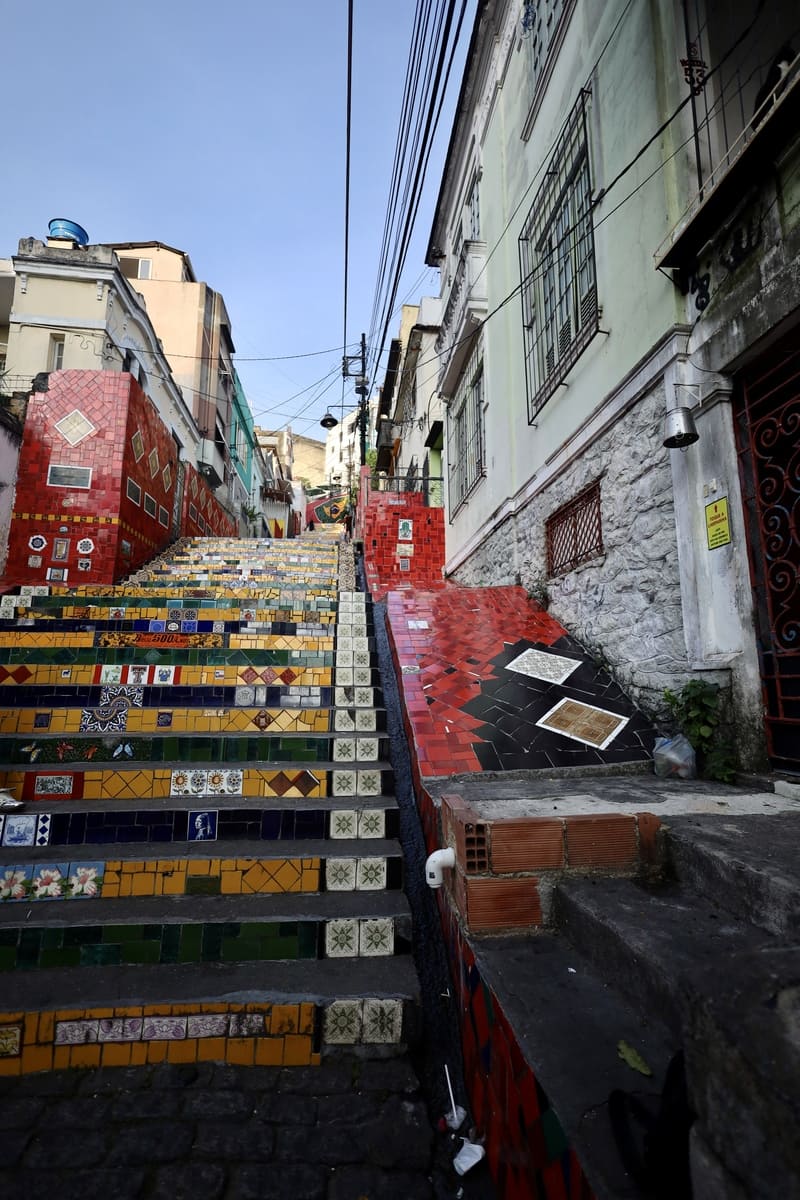
Jorge Selarón was a Chilean artist who relocated to Brazil and lived in the house at the top of the staircase.
In 1990, he began covering the worn concrete steps in tiles as a personal art project.
He started with the colors of Brazil and Chile, then visitors from around the world began bringing tiles from their own countries.
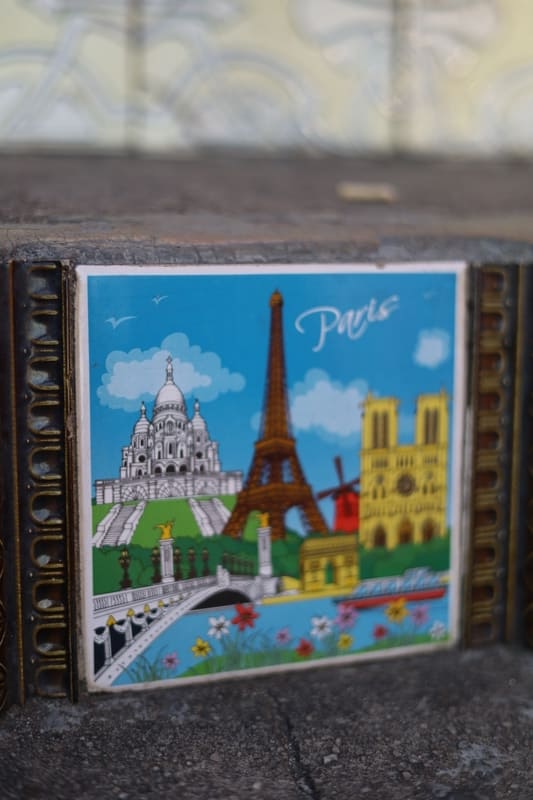
Over time, the staircase became an evolving international mosaic.
Today, you can find tiles from more than 60 countries embedded throughout the steps.
If you look closely, you might even spot one from where you’re from.
I found New York more than once, and even one with my name on it.

Is the Selarón Steps Worth Visiting?
Yes, but it helps to understand what you’re going for.
The Selarón Steps has colors that are bold.
The tiles are detailed, and the staircase itself feels layered with stories from around the world.
If you appreciate public art or enjoy seeing landmarks that are instantly recognizable, it’s an easy addition to your Rio itinerary.

If you’re already exploring Lapa or Santa Teresa, it absolutely makes sense to stop by.
For me, the meaning ran deeper because it was the place that first introduced me to Brazil years before I ever visited.
But even without that personal connection, it’s one of those Rio spots that feels right to see at least once.
How to Get to the Selarón Steps
To reach the Escadaria Selarón, also known as the “Lapa Stairs,” you’ll first need to know where they are located in Lapa.
While there are various transportation options in Rio, I found Uber to be affordable and convenient.
However, if you’re looking for the most budget-friendly option, consider using the city’s subway system, known as the metrô.
To use the metro, start by purchasing a Giro card from the self-service terminals at the main stations.
The initial cost of the Giro card is R$10.90 ($2.19 USD), which includes a R$4.00 ($0.81 USD) deposit for the card itself and R$6.90 ($1.39 USD) loaded onto the card for rides.
A single journey on the MetrôRio costs R$6.90 ($1.39 USD).
The metro system is known for its cleanliness, air-conditioning, and safety.
Additionally, during peak hours on weekdays (6 am to 9 am and 5 pm to 8 pm), women-only cars are available for added comfort and security.
Once you’ve gotten your Giro card, take the metro and get off at either the Gloria or Cinelândia stations, both conveniently located near the stairs.
For those who prefer a guided experience, booking a tour to the Selaron steps is also an option and usually includes other top sights to see in Rio, as well, such as Christ the Redeemer.
RELATED ARTICLE: How to Get to Machu Picchu Without the Inca Trail
When to Visit the Selarón Steps
The best time to visit depends on the kind of experience you want.
If you prefer fewer crowds and emptier photos, aim to arrive early in the morning.
When I arrived around 6:30 a.m., there were only a handful of people there, which made it easy to take photos without waiting long.
The light is also softer earlier in the day.

After 8:00 a.m., foot traffic increases quickly.
You can still find small pockets of space higher up the staircase, but it becomes harder to capture uninterrupted shots.
By midday, the atmosphere shifts.
Vendors begin setting up, music fills the area, and the steps feel more social.
If you enjoy energy and don’t mind sharing the space, later in the day can be fun in a different way.
There’s no wrong time to visit.
It just depends on whether you’re prioritizing quieter moments or a livelier setting.

RELATED ARTICLE: 2 Days in Quito for First Timers
Is Escadaria Selarón Safe?
The Selaron Stairs, also known as the Lapa Steps, are located in Lapa, which is generally considered a safe area.
However, our Uber driver let us know that we should exercise caution if we venture into neighboring Santa Teresa.
Keep your valuables, such as cameras, phones, and wallets, securely put away when exploring.
Areas that are popular with tourists can also harbor pickpocketers, so just be careful.
If something seems suspicious, don’t stick around.
If you find yourself in a dangerous situation, rather than fighting, give them whatever items they are asking for.
Additionally, I highly recommend investing in travel medical insurance for added peace of mind.
Safety Wing Travel Medical Insurance is our top choice, offering comprehensive coverage at affordable rates. We don’t go anywhere without it.
What to Wear and Bring
Rio can get hot quickly, even early in the morning.
When I visited around 6:30 a.m., it was already in the 90s and humid.
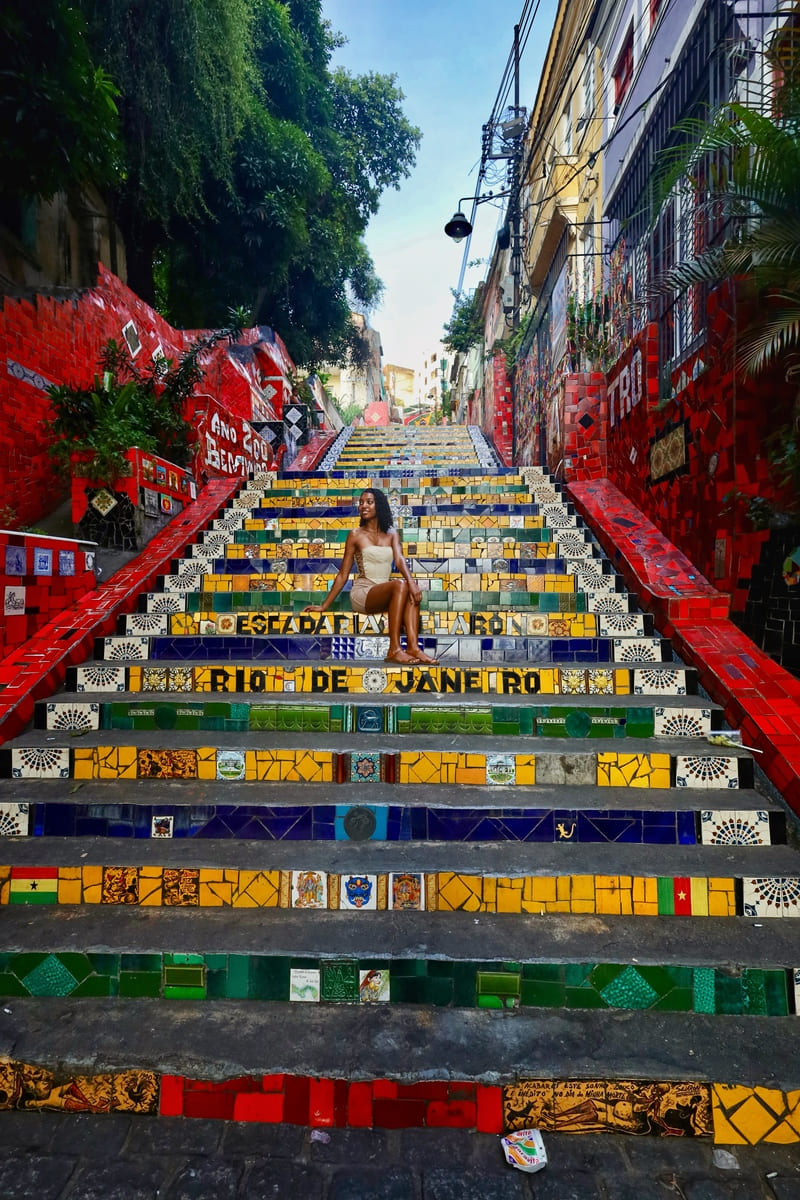
Wear lightweight, breathable clothing and comfortable shoes. You may not climb all 215 steps, but even a quick 1,2 step in the heat can feel intense.
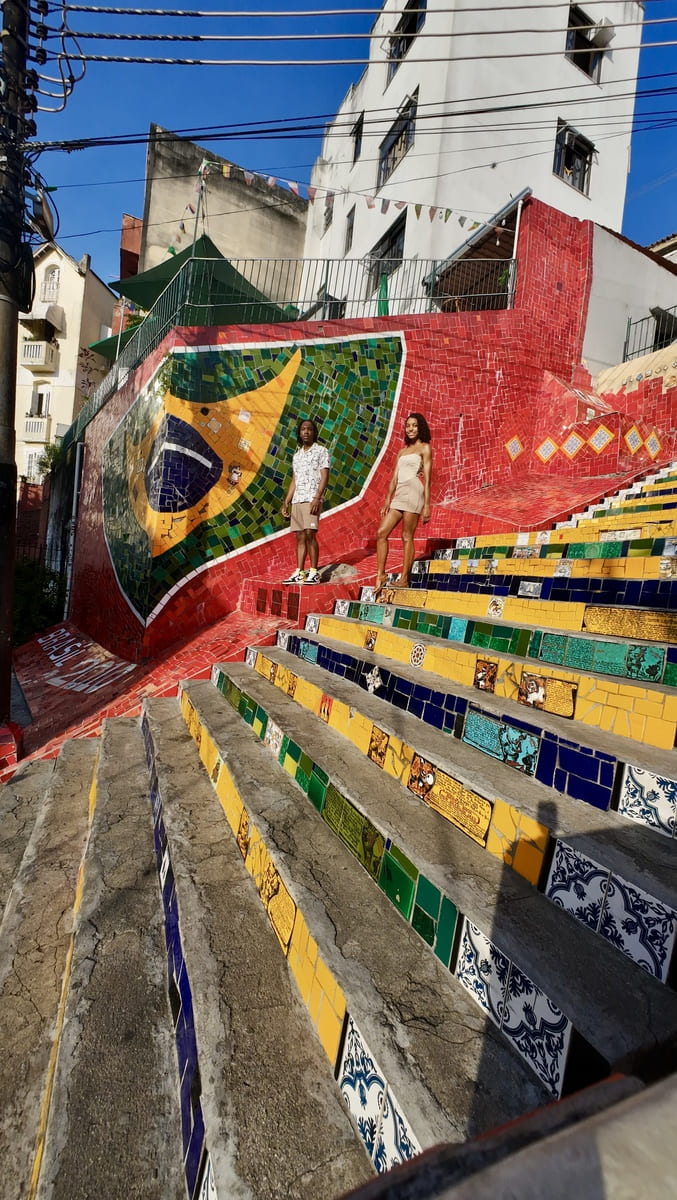
If you care about photos, choose something that contrasts with the tiles.
Solid colors tend to stand out better than busy patterns, which can blend into the background.
Bring water, especially if you’re visiting midday.
Shade is limited, and the heat reflects off the tiles.
A hat or sunglasses can make a noticeable difference while you’re waiting for photos or walking up the staircase.
You don’t need to bring much else.
Admission is free, and most people stay less than an hour.

RELATED ARTICLE: Paracas Peru Complete Travel Guide
How Much Time Do You Need?
Most visitors spend 20 to 40 minutes here.
That’s enough time to walk up part of the staircase, take photos, and look for tiles from your home country.
This is not a half-day attraction. It works best as a focused stop while exploring Lapa or Santa Teresa.
Nearby Attractions in Lapa & Santa Teresa
The Selarón Steps are located between Lapa and Santa Teresa, which makes them easy to pair with other stops nearby.
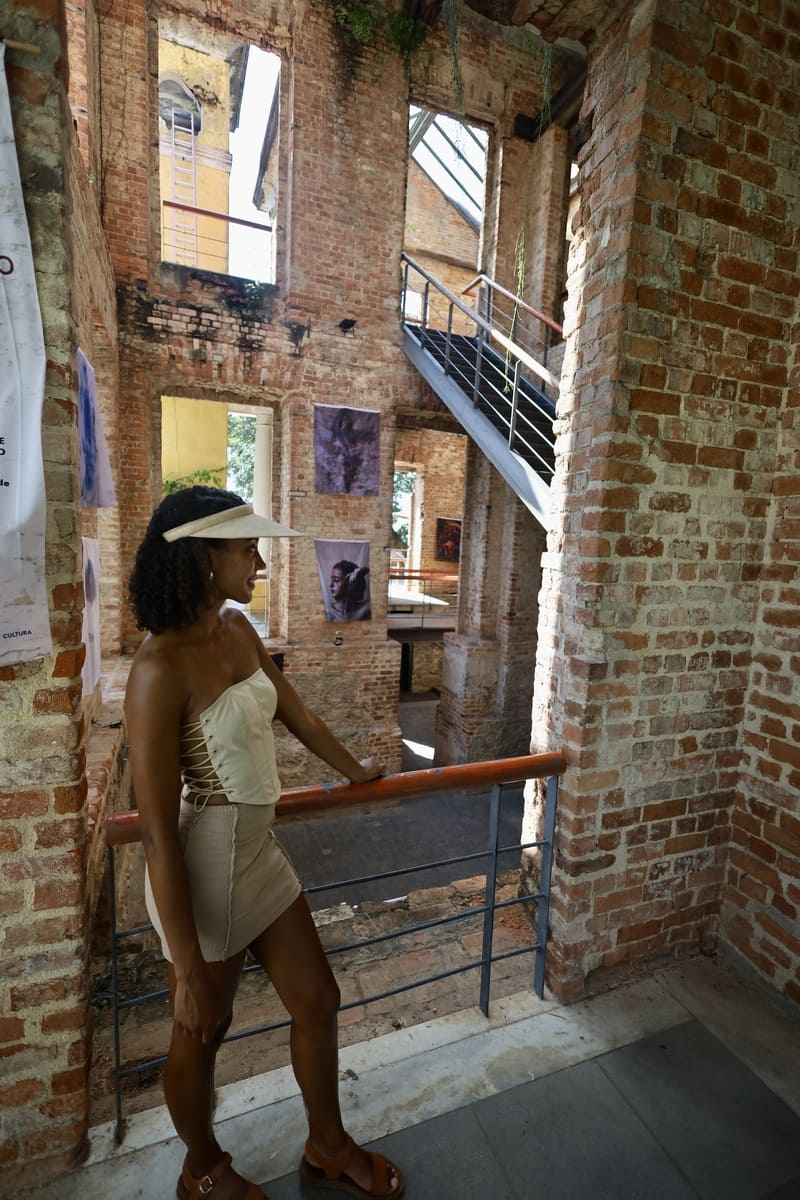
Parque das Ruinas offers panoramic views of the city and a quieter atmosphere than many other viewpoints.
Arcos da Lapa, the iconic white aqueduct, is just a short walk away and one of the most recognizable landmarks in the neighborhood.
You can also visit the Metropolitan Cathedral of Saint Sebastian for a completely different architectural experience.

Keep in mind that Santa Teresa is very hilly.
What looks like a short walk on the map can feel much longer in the heat.
If you prefer convenience, calling an Uber from the steps to your next stop is often the easiest option.
RELATED ARTICLE: How to Visit Mirante Dona Marta in Rio de Janeiro
FAQs About the Selarón Steps
Is the Selarón Steps free?: Yes. Escadaria Selarón is completely free to visit.
Is Escadaria Selarón safe?: During the day, the area is generally busy with visitors. Stay aware of your surroundings, keep valuables secure, and avoid wandering into unfamiliar streets late at night.
How long are the Selarón Steps?: The staircase has approximately 215 steps stretching between Lapa and Santa Teresa.
Who built the Selarón Steps?: The steps were created by Chilean artist Jorge Selarón, who began covering them in tiles in 1990.
What neighborhood are the Selarón Steps in?: They’re located in Lapa, at the base of Santa Teresa in Rio de Janeiro.
Should You Visit Escadaria Selarón?
Yes, especially if you’re already exploring Lapa or Santa Teresa.
The Selarón Steps are one of those places in Rio that are instantly recognizable once you’re standing there.
The colors are bold, the tiles tell stories from around the world, and it’s a landmark that feels distinctly tied to the city’s artistic identity.
It won’t take up your entire day, and it doesn’t require a ticket or much advance planning.
You just show up and experience it.
If you plan around the heat and arrive at a time that matches your energy level, it’s an easy addition to your Rio itinerary.
For a quick stop that carries both history and personality, it’s worth seeing at least once.
For more Brazil travel tips, check out our full blog post on what to know before you go to Rio!





That music video added these stairs on my bucket list too, and thankfully Brazil is visa-free for me with my Jamaican passport. Thanks for sharing! It sounds super doable