
Lomé is one of those cities that fits neatly into a West Africa itinerary, even if you’re only passing through.
Disclosure: This post may contain affiliate links, which means we’ll receive a commission if you purchase through our links, at no extra cost to you. Please read full disclosure for more information.
Lomé wasn’t our “main destination.”
It was more like…
We were already planning Benin, and since Togo is right next door, it felt like a missed opportunity not to step over and see what it’s about.
Plus, when we started looking at flights back home, flying out of Lomé was noticeably cheaper than flying out of Benin, and that was enough to seal it.
So Togo it was.
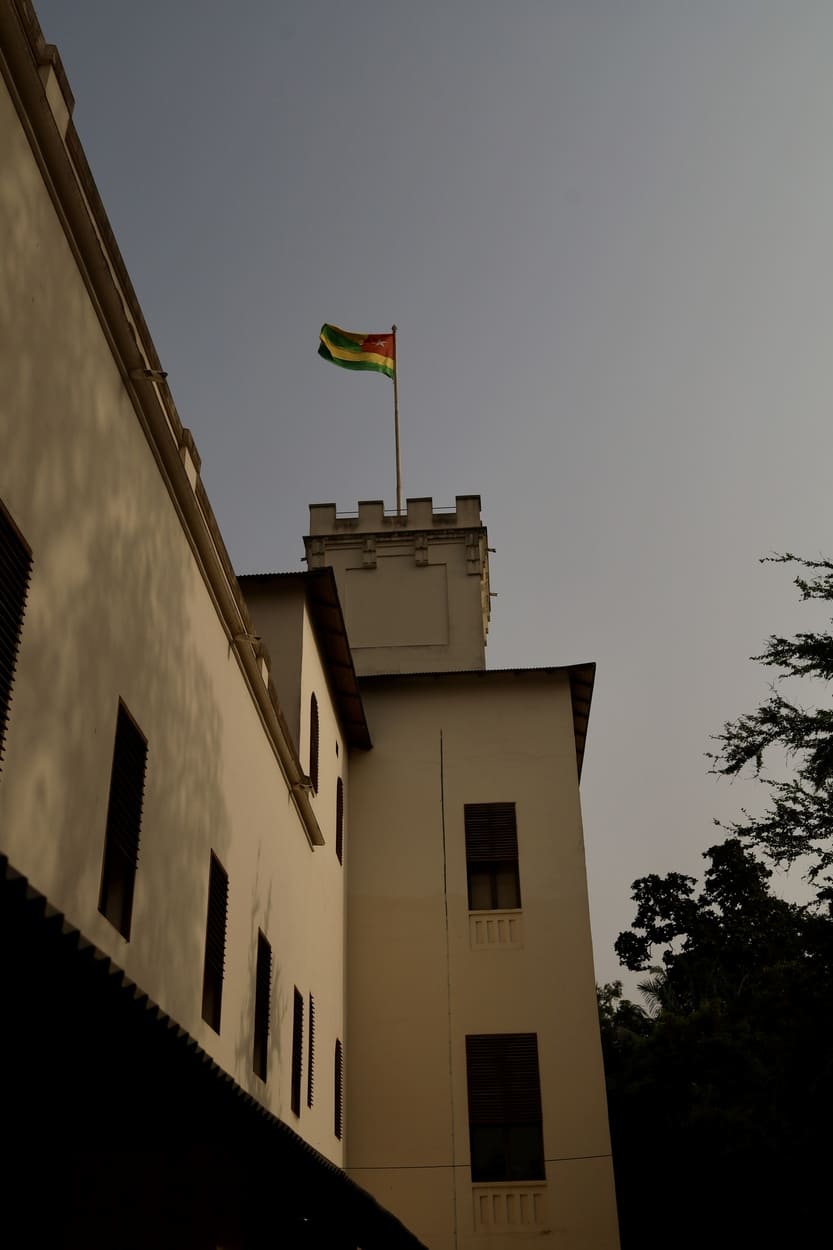
First thing: don’t wait on the visa
Before we even talk about what to do, I’ll say this:
Togo’s entry requirements are not something you want to handle last-minute.
The visa usually needs about 5 business days to process, so apply ahead of time and give yourself breathing room.
And yes, print your visa.
You’ll want paper copies on you. They require it.
Getting to Lomé (flying in vs crossing from Benin)
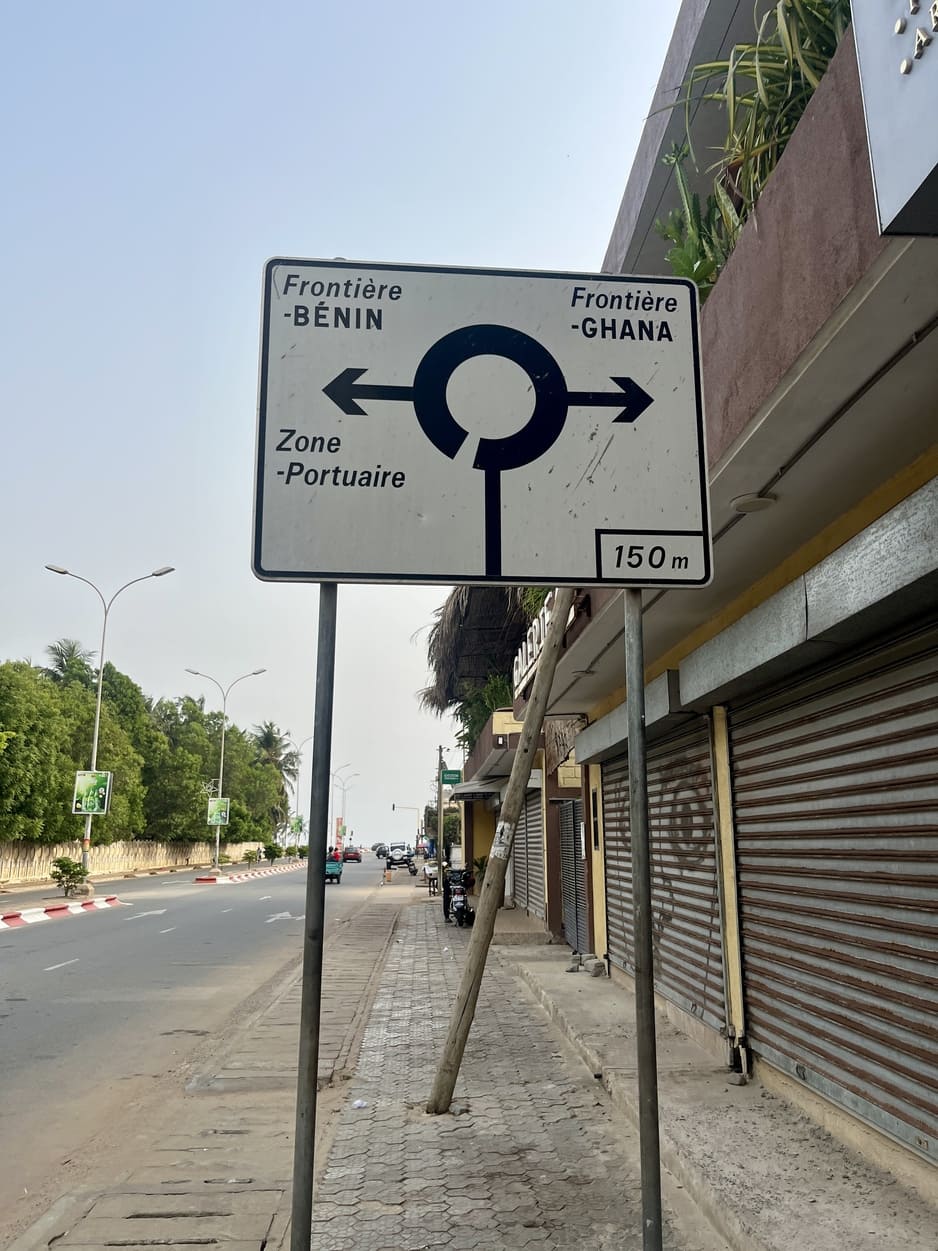
You can fly directly into Lomé, but we crossed overland from Benin.
If you’re coming from Cotonou → Lomé, it’s straightforward, but here’s what helps to know:
- You’ll typically take a taxi from Cotonou toward the border
- Once you cross, there’s basically a taxi parking area on the Togo side where you grab another taxi onward to Lomé
Pricing can end up being cheaper when broken into legs (instead of paying one big price for the entire trip). As a general ballpark, it can be around:
- ~4,000 CFA (~$7 USD) from the Togo border area back toward Cotonou (Benin-side direction)
- ~1,500 CFA (~$3 USD) from the border area into Lomé
And if someone quotes you 10,000 CFA (~$18 USD) for the full ride, that’s not unusual.
Honestly, it can be worth it to just take one car and keep things simple.
Also: Lomé is close to Ghana, so it’s a good option if you’re pairing countries.
Is One Day in Lomé Enough?
We had one full day in Togo before flying out, and honestly?
It was the perfect “first taste.”
Lomé felt busy but not too overwhelming.
Real city energy, but still coastal.
And it’s one of those places where you can get a lot out of a short amount of time if you plan it right.
The market is the main character
Our hotel was a few steps from Lomé’s Grand Market.
On the map it looked like “a few blocks away.”
In real life… it was blocks and blocks and blocks, including right outside our doorstep.
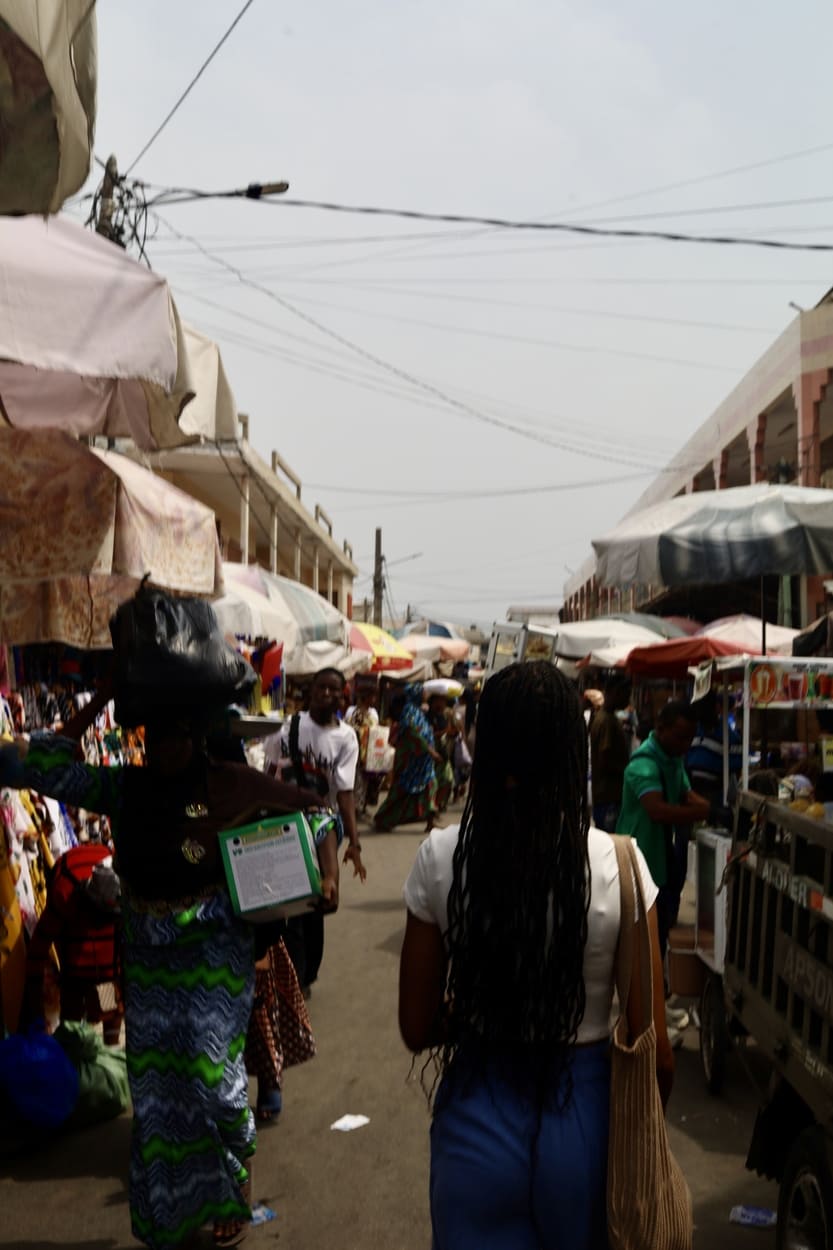
Fabric stalls, fruit stands, people moving fast with wheelbarrows, vendors working, shoppers weaving through the lanes like it’s second nature.
The market didn’t feel like a tourist attraction.
It felt like the city doing life.
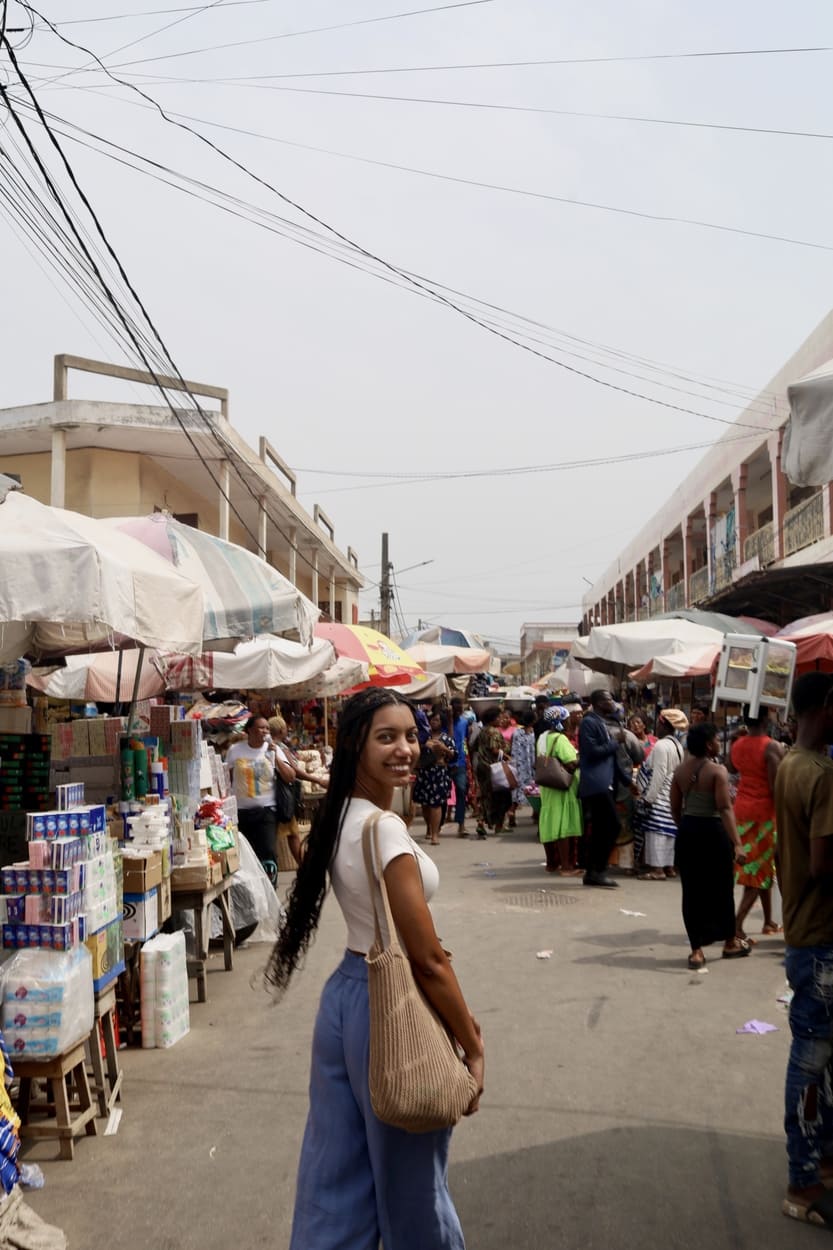
And something I appreciated: it wasn’t aggressive.
People weren’t pulling you into stalls or begging you to buy.
It was more like: everyone here has a job to do and they’re doing it.
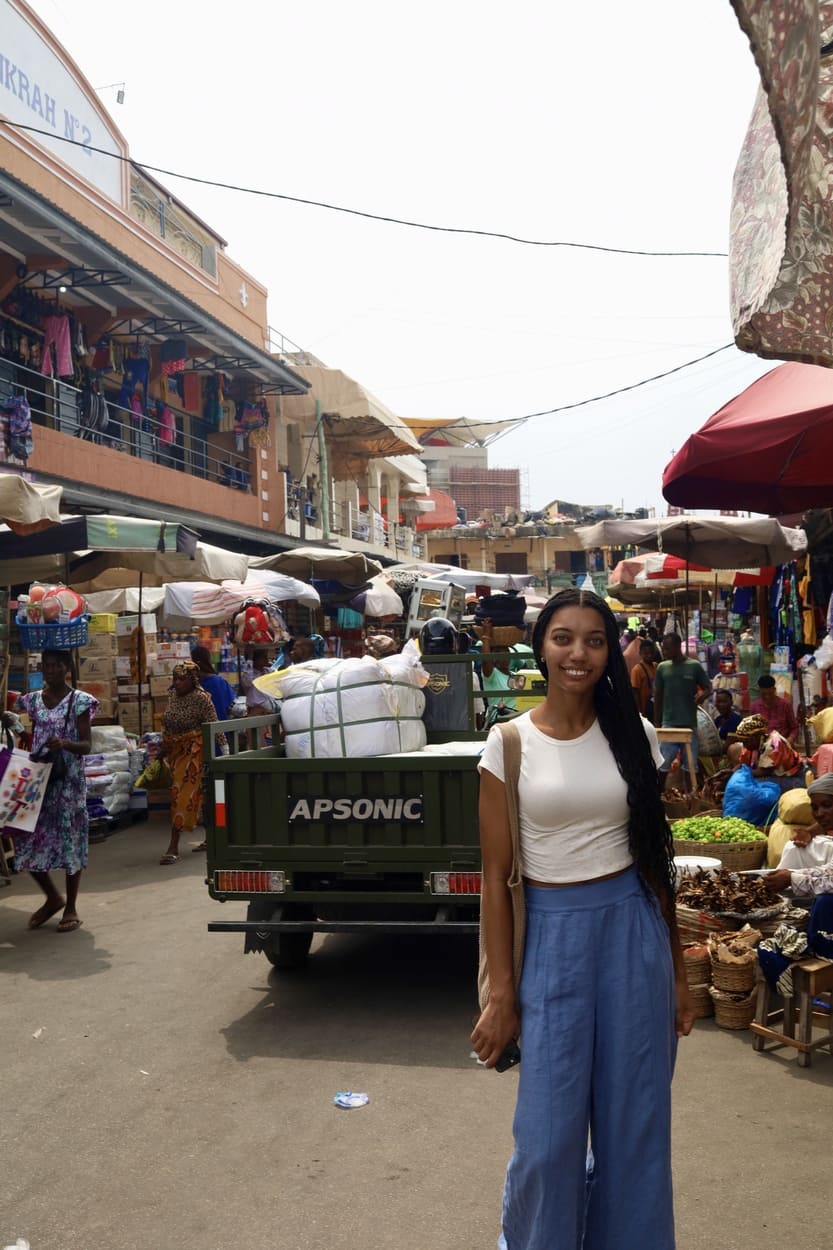
That’s not to say you won’t ever be asked for money.
If someone offers help (or even during routine security checks, like at the airport), it’s common to be asked for a small tip.
But don’t feel pressured.
A cathedral in the middle of the market
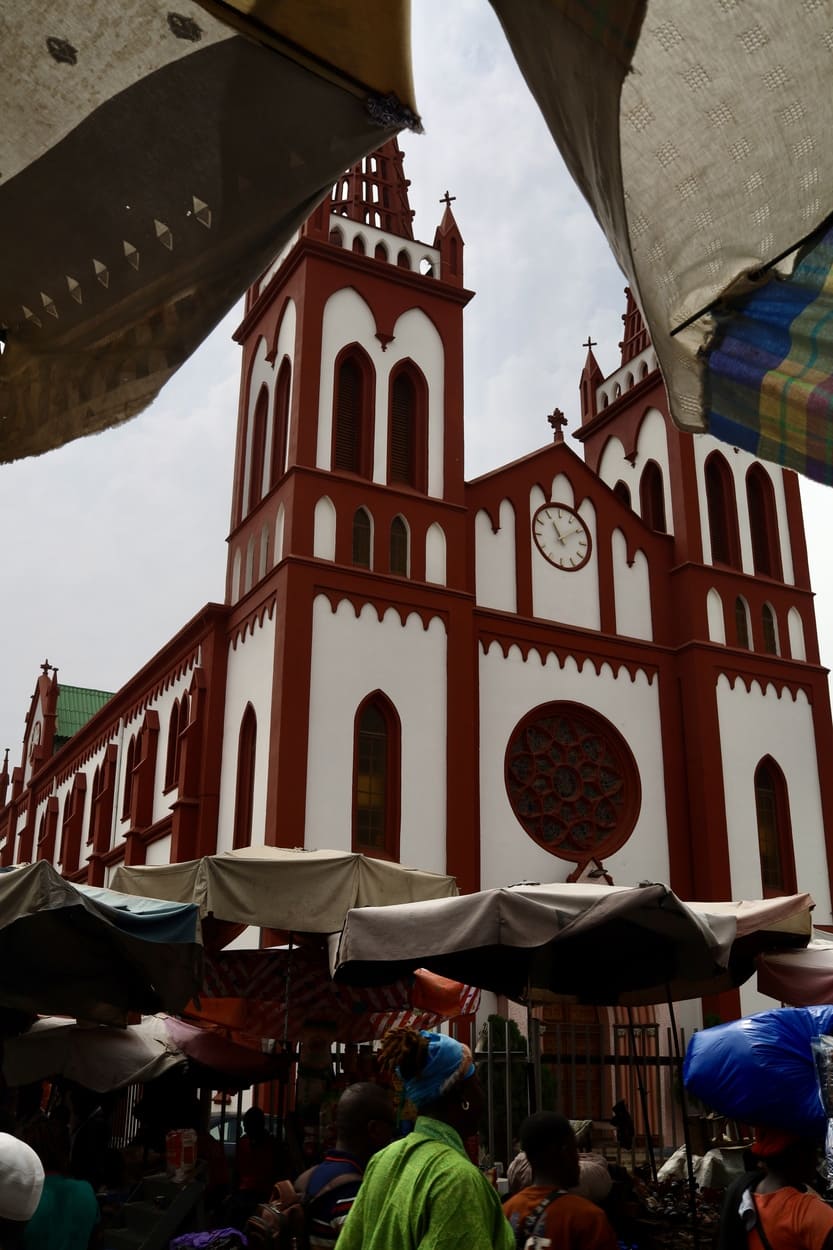
Right inside the market area, the Sacred Heart Cathedral pops up out of nowhere.
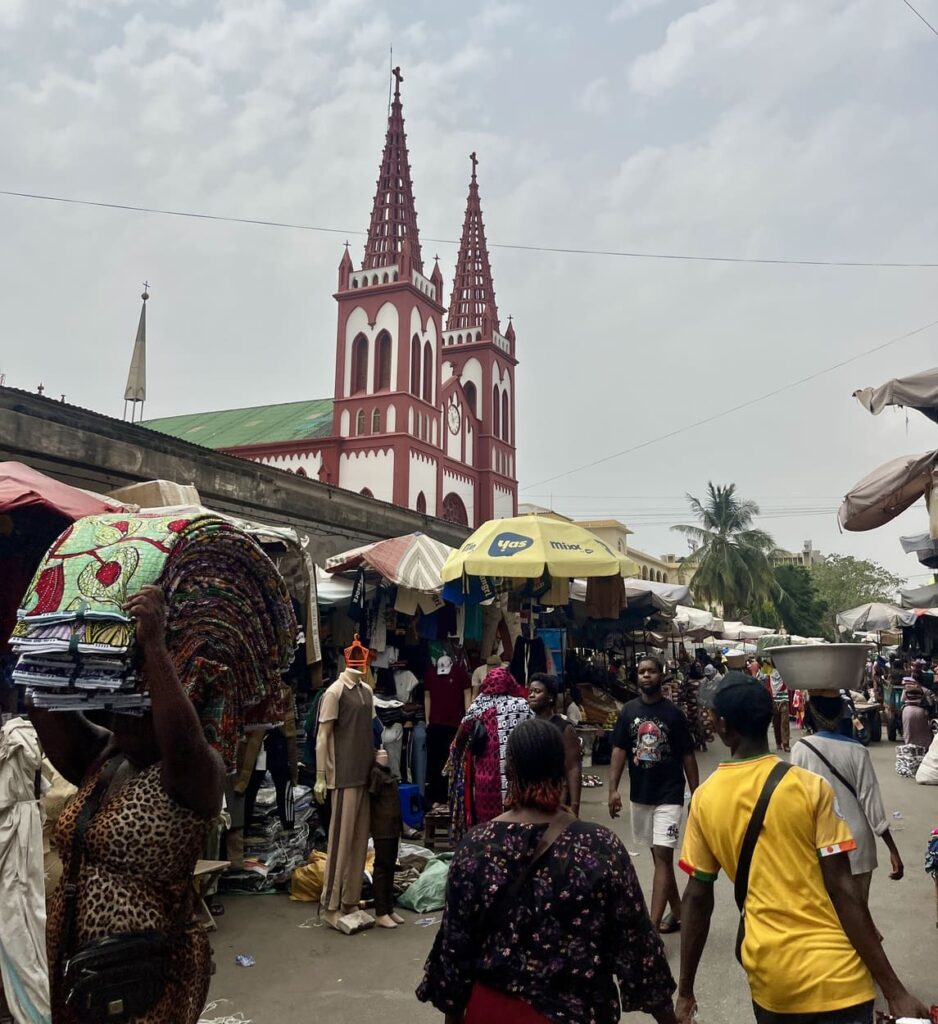
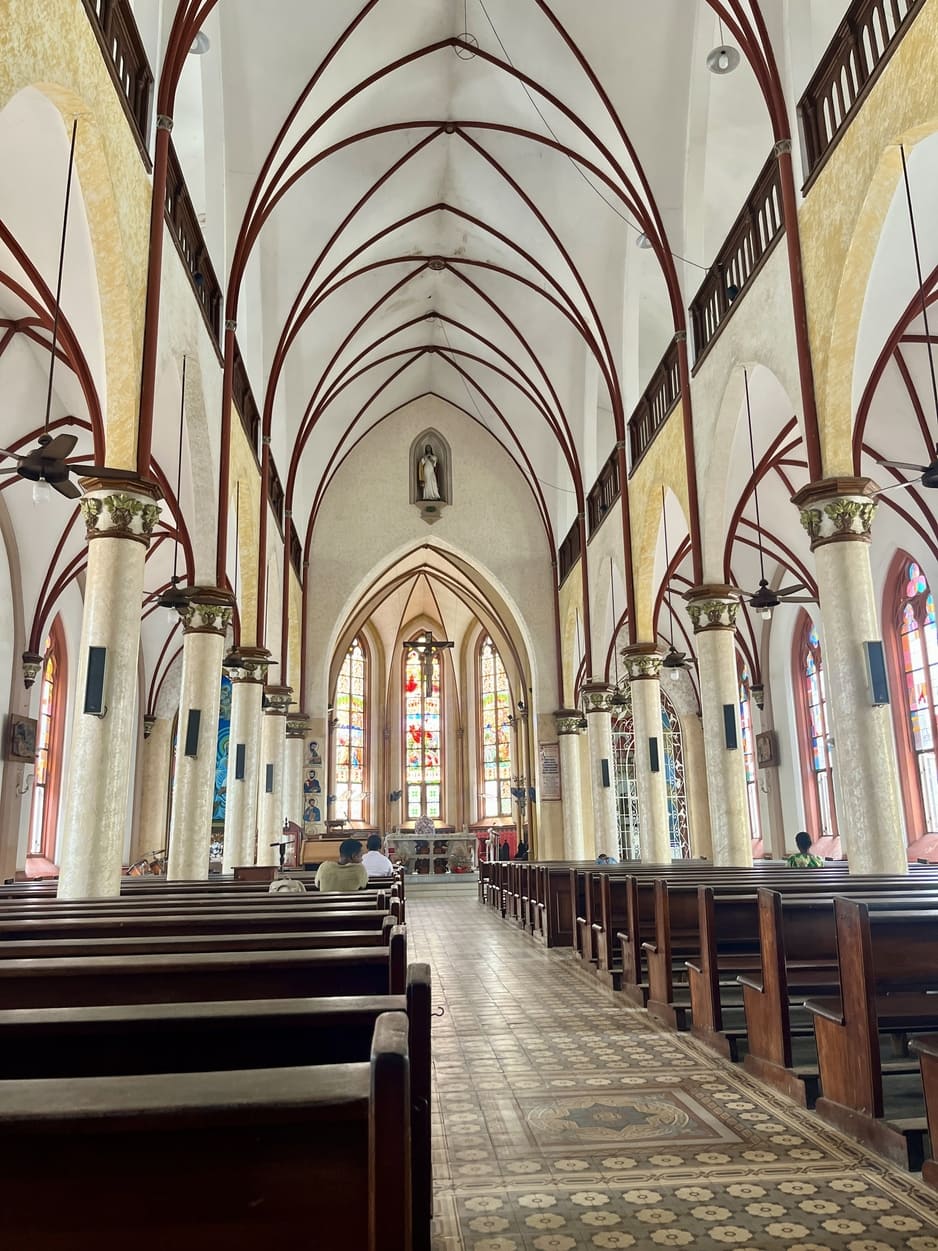
It’s calm the second you step inside, and it’s worth a quick visit even if you only have a few minutes.
The ceilings are high, the space is airy, and it has that quiet echo that makes you naturally slow down.
It feels like a pause button right in the middle of the busiest part of the city.
It also reminded me of something I keep noticing across West Africa: religion and spirituality exist side-by-side in a way that feels very normal here.
Which brings me to…
The Fetish Market (Akodessawa)
The Akodessawa Fetish Market is often described as one of the largest Vodun markets in the world, and it’s definitely one of the most intense cultural stops you can make in Lomé.
You’ll see things that feel shocking if you’re not familiar with Vodun practices—animal heads, spiritual objects, and materials used for traditional healing or rituals.
It’s open to tourists, but it doesn’t feel like it exists for tourists.
Personal note: Vodun isn’t my belief system, but I also believe you can witness culture respectfully without participating in it.
If you’re curious, go with a guide, be respectful, and treat it like someone else’s sacred space… because it is.
The “perfect beach day” isn’t everywhere
Lomé has coastline for days. Palm trees, sand, that warm ocean air.
But I’ll be honest: not every stretch is the kind of beach you want to lay out on.
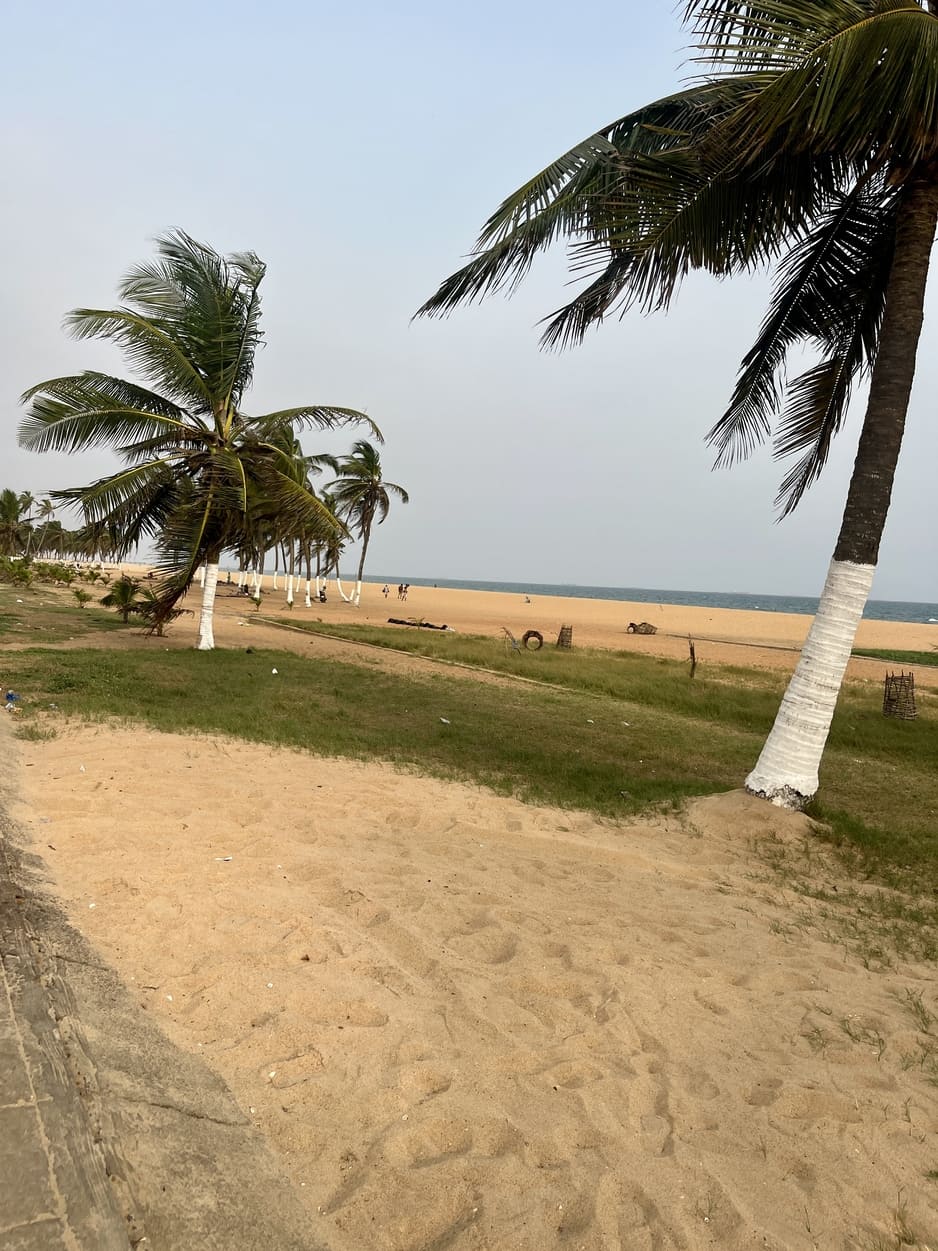
Some areas have trash, and it changes from spot to spot.
That said, there are areas that feel more built-up and lively, especially near beach bars and restaurants.
Our first night, we ate at Eden’s Plage, and that was my introduction to the fact that nightlife is a real thing in Lomé.
Lights strung along the sand, music outside, people out late, good food. It was a vibe.
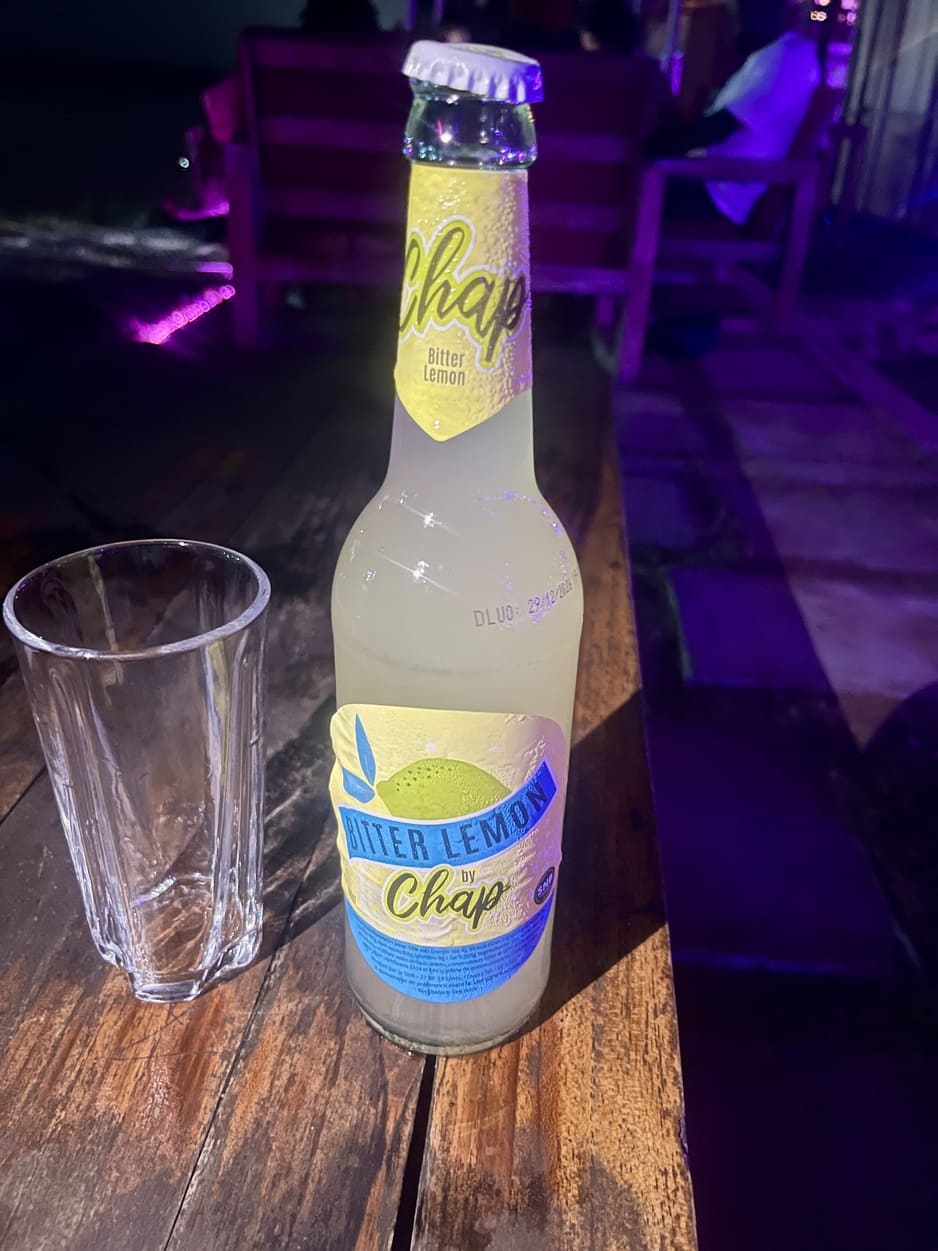
I also always love trying the local soda in different countries, so being introduced to Chap was memorable for me here.
Lomé Palace was my favorite stop
The next day we visited Lomé Palace, and it was easily my favorite part of the city.
It felt elegant, intentional, and honestly… like my kind of aesthetic.
One of those places that feels calm and well-kept, and gives you context for the country beyond “markets + beaches.”
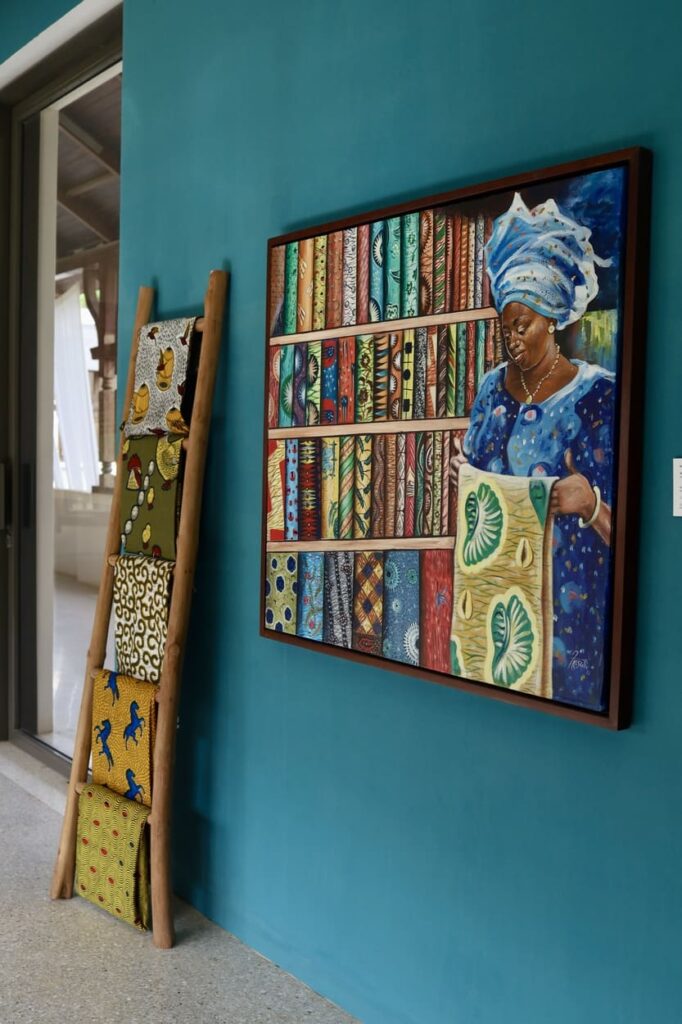

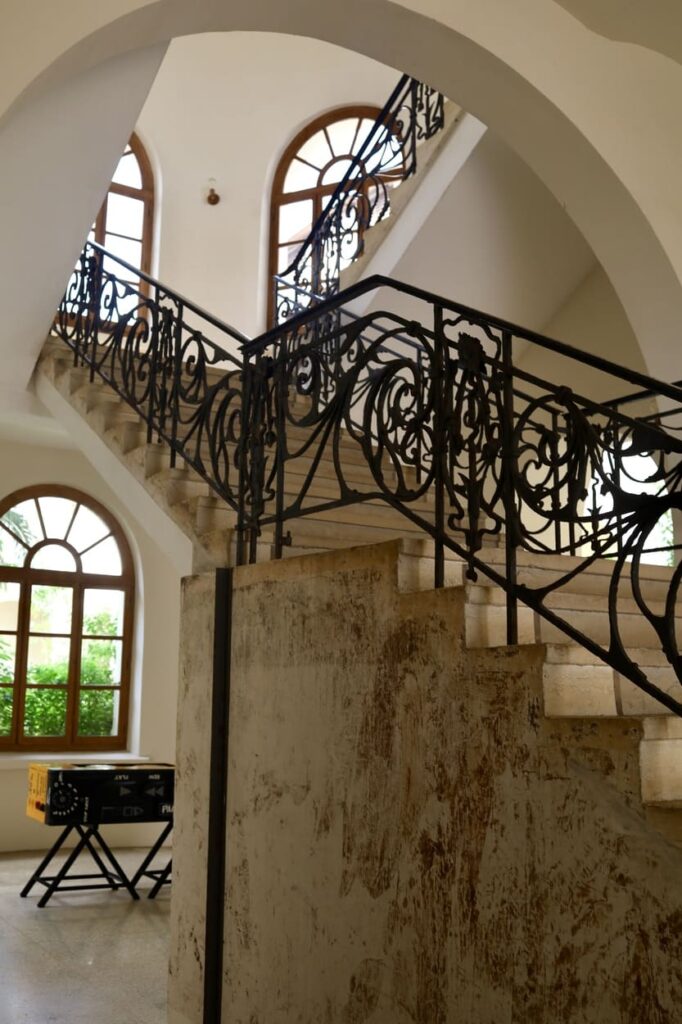
It’s a museum you’d want to spend time just wandering around in.
Looking at all the vibrant artwork, the architecture itself, and the outdoor spaces.
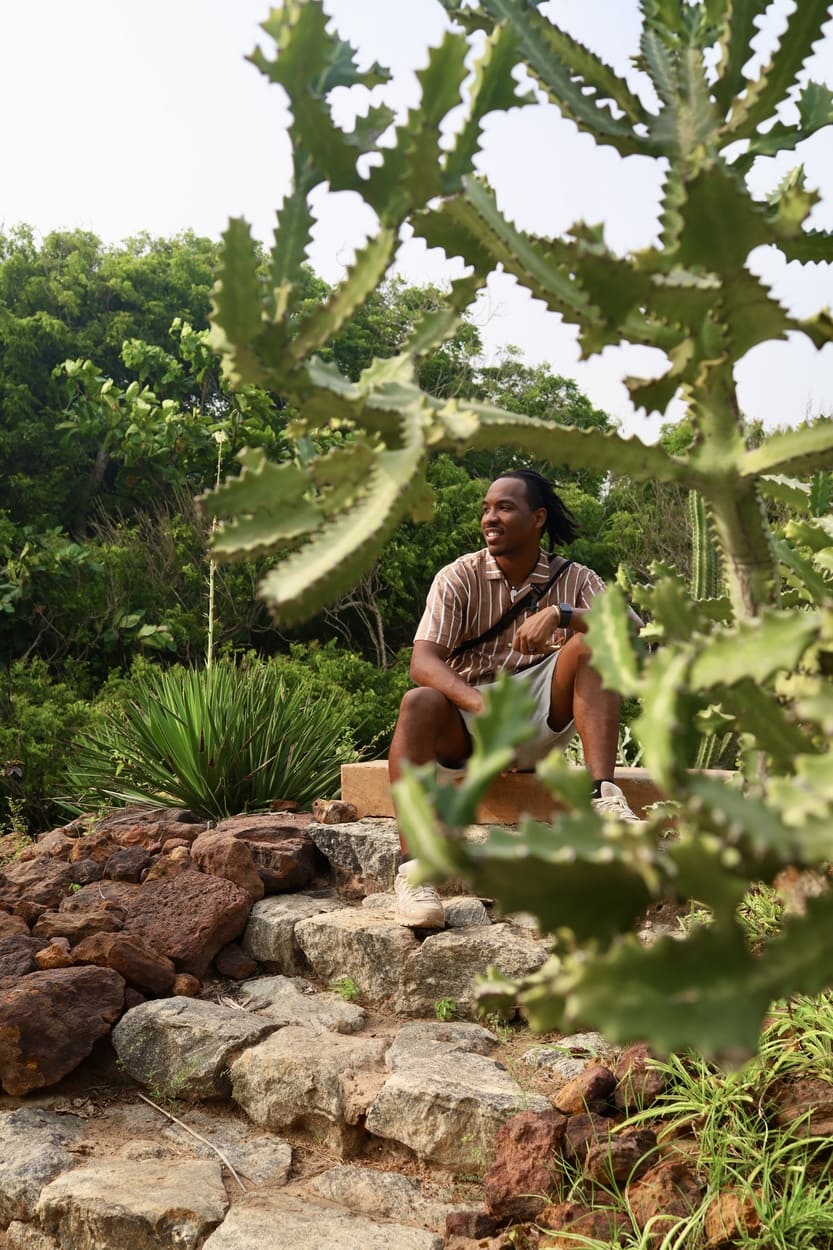
There was also a section that touched on Lomé nightlife, which just confirmed what we felt the night before: this city knows how to have a good time.
We didn’t get to fully explore nightlife because our flight was that night, but if you’re staying more than a day or two, I’d put that on your list.
Here’s some cool spots to save:
Getting around: motorbikes, taxis, and “know the price before you get in”
The most common transportation in Lomé is motorbikes, and they’re everywhere.
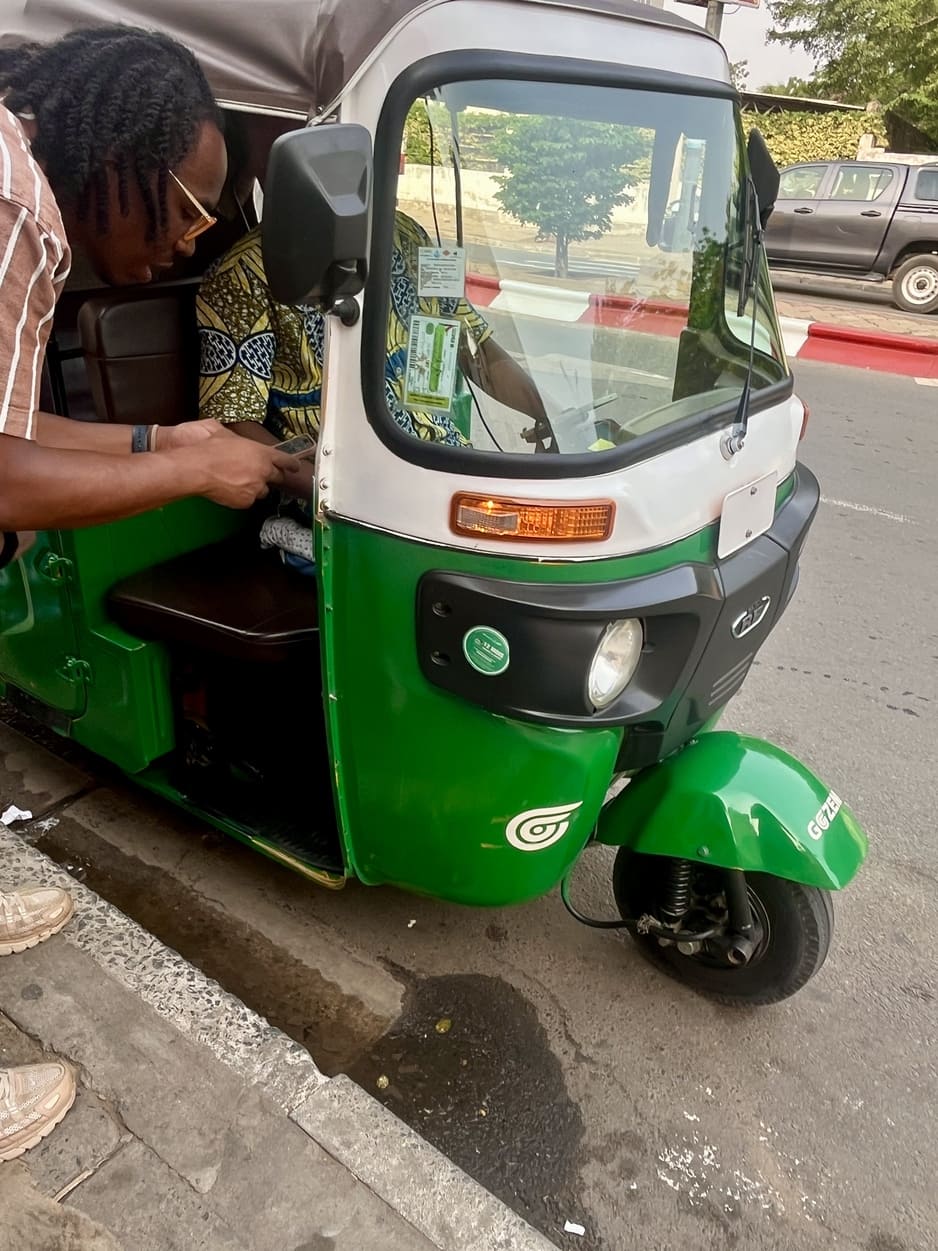
I personally didn’t build the courage to hop on one, so we leaned on taxis + tuk-tuks instead.
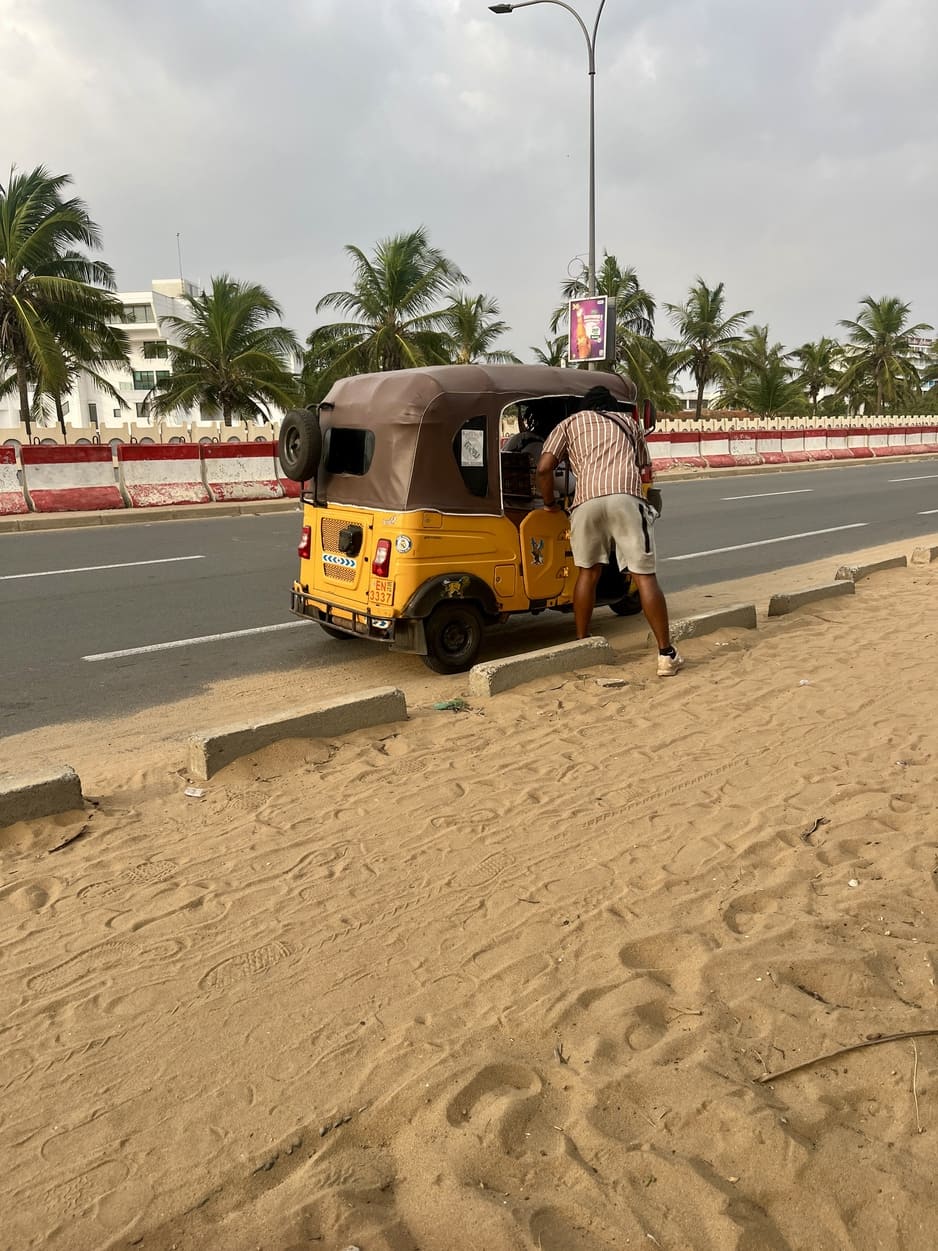
Here’s the thing: prices change fast the moment you seem foreign.
We had tuk-tuk rides that should’ve been cheap (like 100–200 CFA range – that’s less than 50 cents by the way), but we’d get hit with quotes like 3,000 CFA (almost $6 USD).
So my best advice:
- Ask the price before you get in
- Decide what you’re comfortable paying
- Don’t be afraid to walk away
- And remember: tuk-tuks often aren’t private. They’ll pick up other passengers and drop them off along the way
You’ll literally see locals paying in coins, while you’re paying with bills… so just know it’s normal to have to negotiate.
Language: more English than we expected
In Benin, we were mostly in French.
In Lomé, we heard a lot more English than we expected, likely because of how close it is to Ghana.
Still, French is everywhere, but Lomé felt easier to navigate language-wise than we expected.
Lomé is just the beginning
Togo is small, but it’s not just Lomé.
If we had more time, I would’ve loved to explore more nature and cultural regions away from the coast, which feels more my pace than a city.
But for a short add-on trip, Lomé gave us exactly what we needed: a coastal capital, a strong cultural complement to Benin, and an affordable place to fly home from after our Benin itinerary wrapped up.

Quick safety note: We didn’t have any issues in Lomé, but we were there for a short visit, so we’re not going to act like that’s the full picture.
Like anywhere, stay aware.
Don’t walk alone at night, keep valuables low-key, and keep your map open during taxi or tuk-tuk rides so you can follow along and make sure the route makes sense.
And before you go, it’s always smart to check the latest travel advisories, especially if you plan to explore beyond the capital.
One thing to expect: you may hear “Do you have something for me?” more than once—at checkpoints, during airport checks, after brief questions that don’t actually require help, or even during routine interactions where someone is already on the clock doing their job.
Most of the time, a polite “no” and keeping it moving is enough.
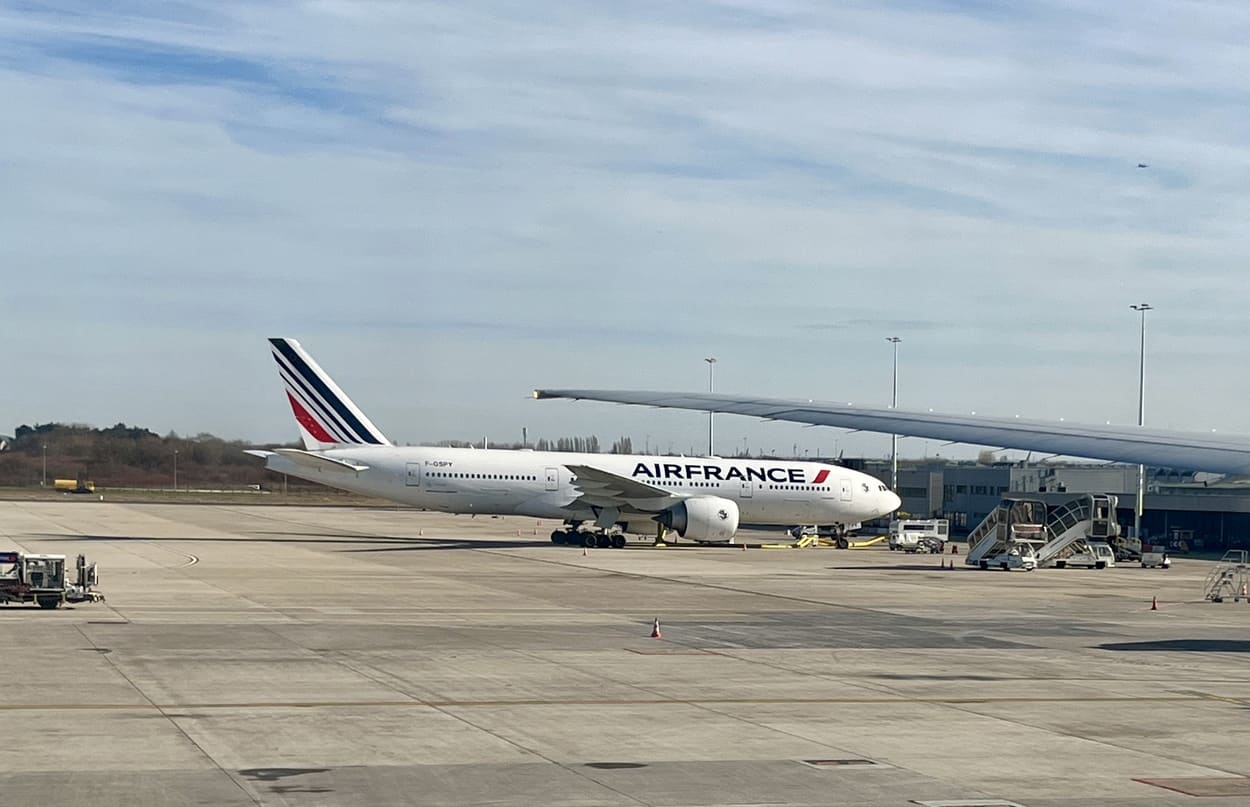
Airport tip: Fill out your departure immigration form online before you arrive—it can save you time before you fly out of Lomé.
If you’re already making the trip to West Africa… Lomé is 100% worth considering.
Read next: What is Zangbeto in Benin? | Why Visit Ouidah, Benin? | Cotonou, Benin Review | What is Benin’s Capital City Like?