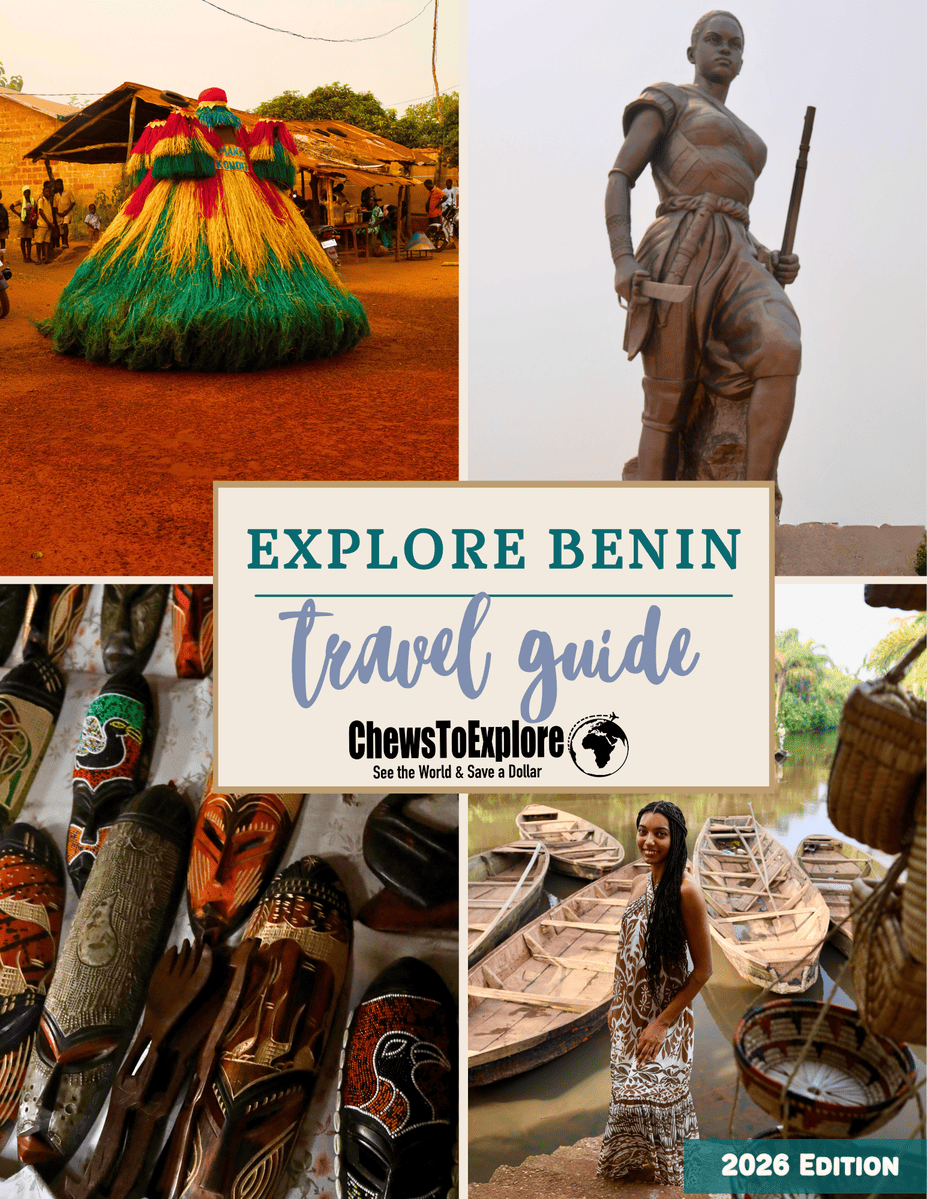
If safety is your biggest hesitation about visiting Benin, here’s what we experienced and what matters most when planning.
Disclosure: This post may contain affiliate links, which means we’ll receive a commission if you purchase through our links, at no extra cost to you. Please read full disclosure for more information.
Safety is usually one of the first questions people ask about Benin.
And it’s fair.
Benin doesn’t dominate Western travel headlines, which means most people don’t have a mental reference point for what it’s actually like on the ground.
So here’s our honest experience, plus what you should realistically consider when planning a trip.
Our Experience Traveling in Benin
We spent time in Cotonou, Porto-Novo, Ouidah, Abomey, and Ganvié.
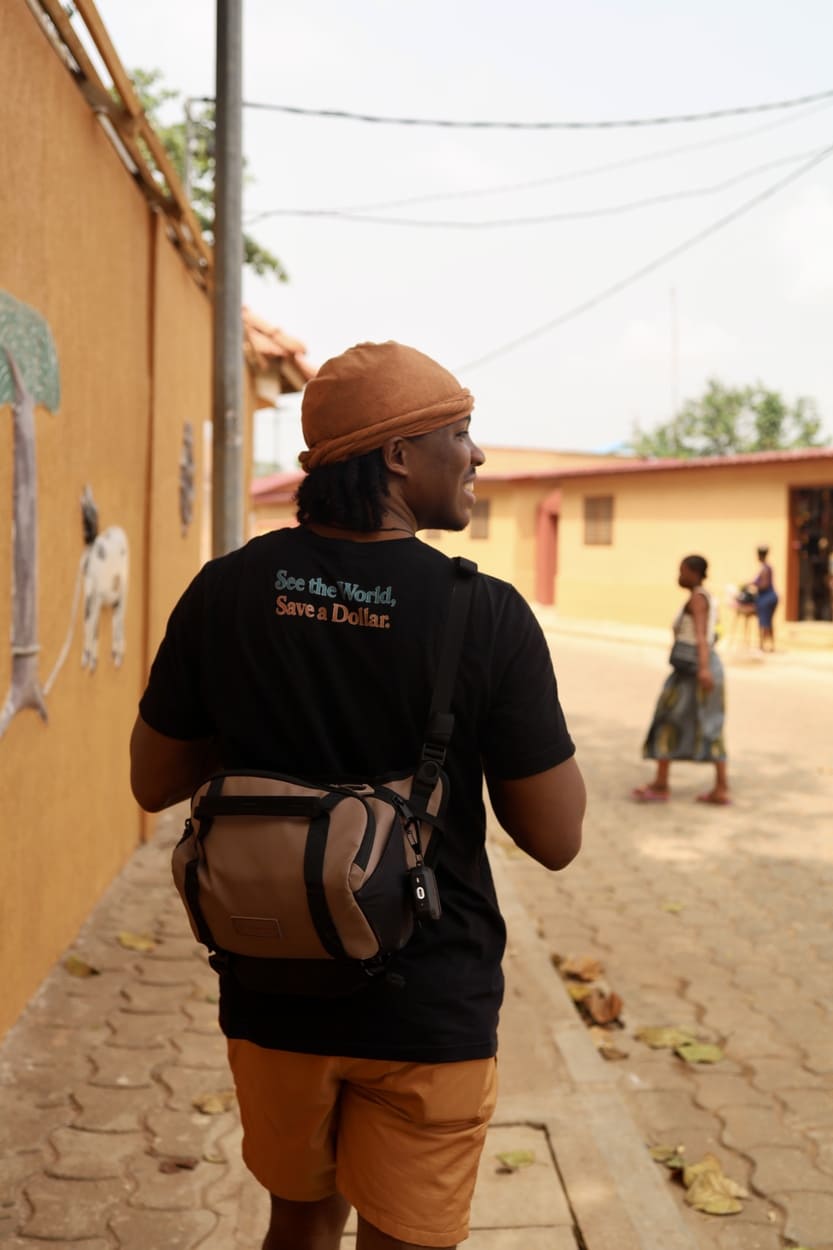
For most of our trip, we were with a local guide.
That absolutely shapes our experience, and it’s important to say that upfront.
With that structure in place, we felt safe throughout our time in Benin.
We walked through markets, historical sites, city centers, and residential areas without feeling targeted or uncomfortable.
We did not encounter harassment, aggressive behavior, or situations that felt unsafe.
That said, traveling with a knowledgeable local makes a difference anywhere in the world.
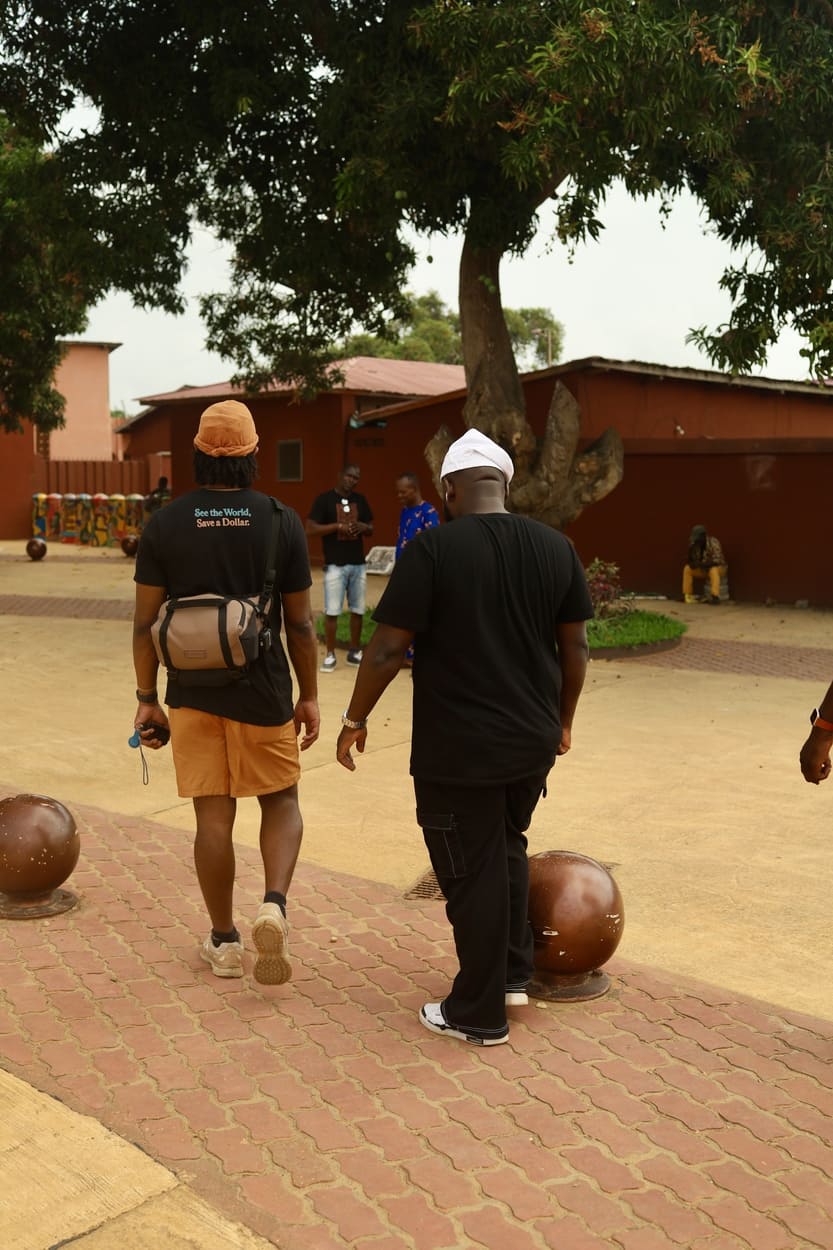
What Safety Actually Looks Like in Benin
Benin is generally considered one of the more politically stable countries in West Africa, particularly in the southern and coastal regions where most travelers spend their time.
According to official travel advisories, most coastal and southern areas are considered safe. (This is where we stuck to.)
However, violent crime can occur in remote locations.
We approached Benin the way we approach most international travel.
We kept valuables discreet, secured our phones in crowded areas, avoided wandering unfamiliar areas late at night, and relied on local guidance when navigating new neighborhoods.
Does Having a Guide Matter?
In our opinion, yes.
Not because Benin is unsafe without one, but because:
- English is not widely spoken.
- Transportation logistics can be confusing.
- Cultural experiences like Zangbeto require explanation.
- Historical sites like Abomey benefit from knowledgeable context.
We worked with Massoud from Letouriste.bj and Mauriac from BENINOW, and having a structured itinerary truly made all the difference.
It also meant we weren’t navigating unfamiliar routes late at night or negotiating transportation in areas we didn’t know.
If you’re traveling independently, safety is still manageable, but planning becomes more important.
What About Solo Travelers?
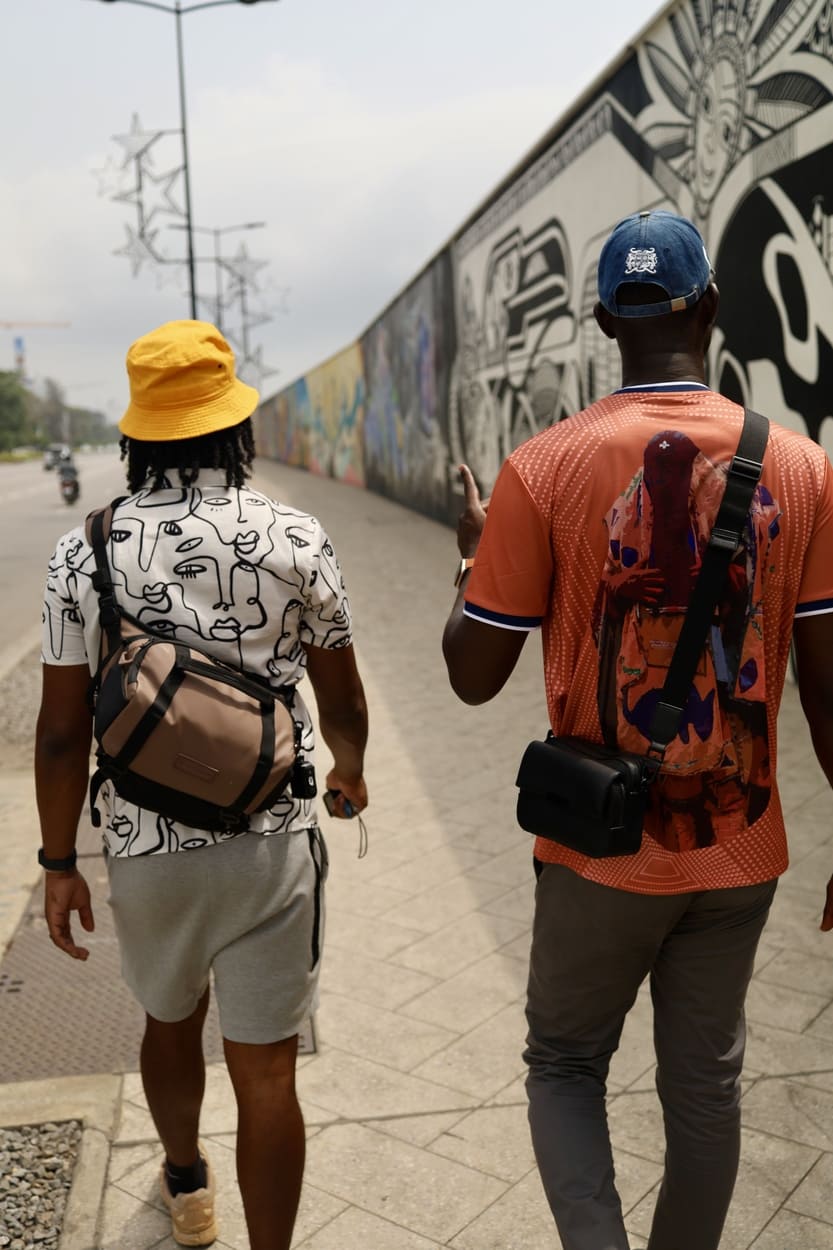
We traveled as a couple and were with a local guide for most of the trip, so that context matters.
Benin isn’t a backpacker-heavy destination with built-in traveler infrastructure.
You won’t find hostels on every corner or large groups of independent tourists moving between cities.
For solo travelers, that doesn’t automatically mean unsafe.
It just means more responsibility falls on you to organize transportation, confirm accommodations in advance, and navigate language differences, since French is dominant.
If you’re comfortable coordinating logistics and doing a bit more upfront planning, Benin is manageable solo.
If you prefer destinations where things feel more plug-and-play, you may want to work with a local guide or operator to simplify the experience.
That’s not about safety as much as structure, though.
As a woman traveling within a structured itinerary and with local guides, I did not experience harassment in the areas we visited.
That said, solo female travelers should consider cultural norms around dress and plan transportation in advance.
Regional Considerations
Most travelers stay within southern Benin: Cotonou, Ouidah, Porto-Novo, Abomey, and Ganvié.
Border regions to the north can carry different advisories depending on global conditions.
Always check your country’s travel advisory before departure.
In the southern cities we explored, the atmosphere felt normal and manageable rather than high-risk.
If you’re still weighing whether Benin is the right destination for you overall, we’ve shared our honest take here.
So, Is Benin Safe?
Based on our experience, yes, especially when you plan intentionally.
The more you understand your route, transportation, and language basics ahead of time, the smoother your experience will be.
Like most places, your experience depends on:
- How prepared you are
- Whether you understand local norms
- Whether you move thoughtfully
If safety is your biggest hesitation, the more accurate framing might be this: Benin requires preparation, not fear.
And when you approach it that way, it feels manageable and grounded rather than risky.

Planning Tip
If you’re still deciding whether Benin fits your travel style overall, start with our full breakdown of what the trip is actually like in this Benin overview guide.
If you’ve already decided to go and want everything mapped out clearly, our Explore Benin Travel Guide compiles routes, pacing, contacts, and logistics in one place.