Landing in Benin? Start here — what’s actually worth your time in Cotonou, from Fidjrossè Beach to Dantokpa Market.
Disclosure: This post may contain affiliate links, which means we’ll receive a commission if you purchase through our links, at no extra cost to you. Please read full disclosure for more information.
Cotonou is where most trips to Benin begin.
It’s the biggest city in the country, and it’s the kind of place that looks like pure movement until you slow down long enough to notice what it’s actually saying.
We spent the day moving through different parts of the city, from the beach to monuments to markets, and what stood out most was how much context you can pick up here in a few hours.
Cotonou shows you what people value, what they remember, and what’s changing in real time.
This is my honest, on-the-ground guide to Cotonou for travelers who want more than a landing point and a hotel.
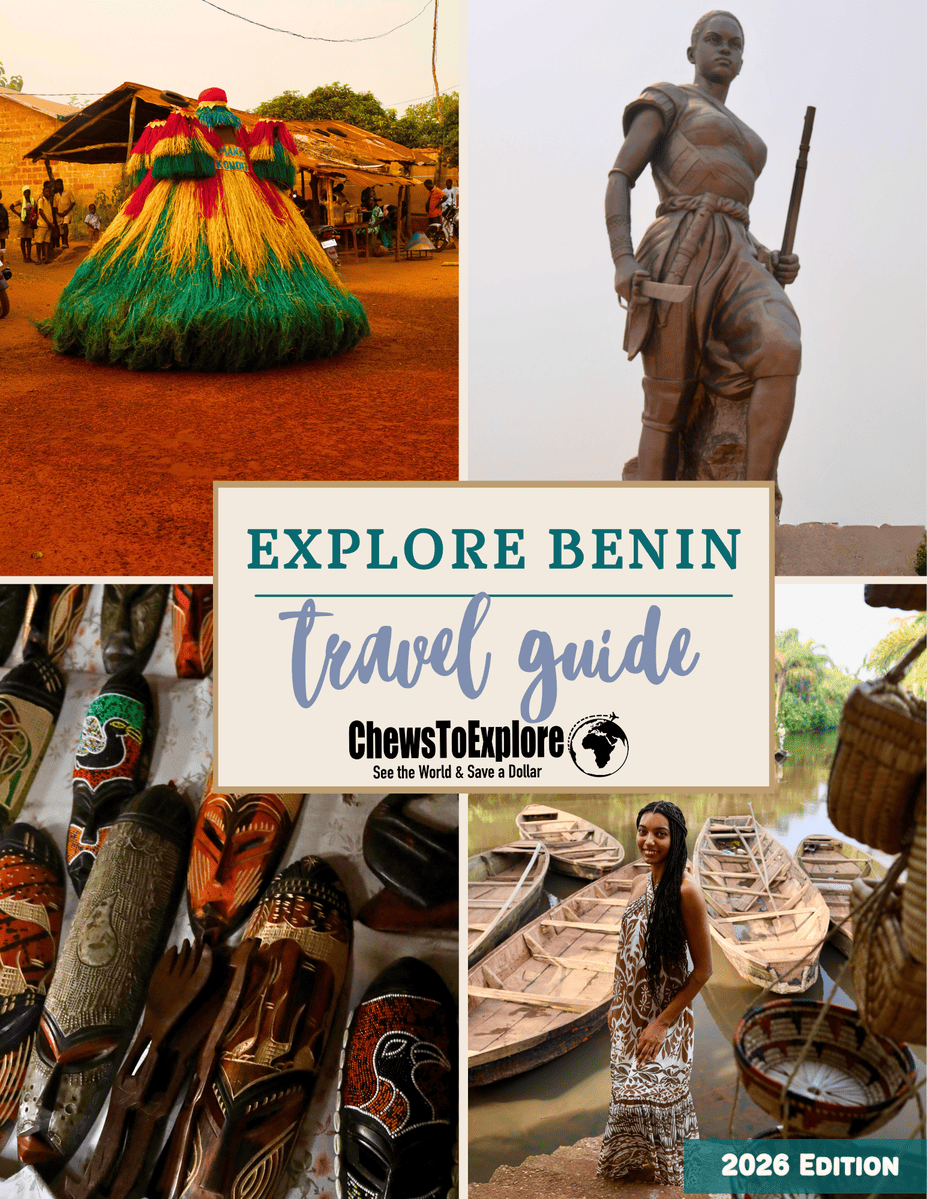
Planning the rest of your Benin trip? Download our “Explore Benin Travel Guide” for the full itinerary, logistics, and what to prioritize.
Fidjrossè Beach
Fidjrossè Beach is one of the first places people end up in Cotonou.
It’s wide, open, and full of life.
Locals walking. People working out. Music in the distance.
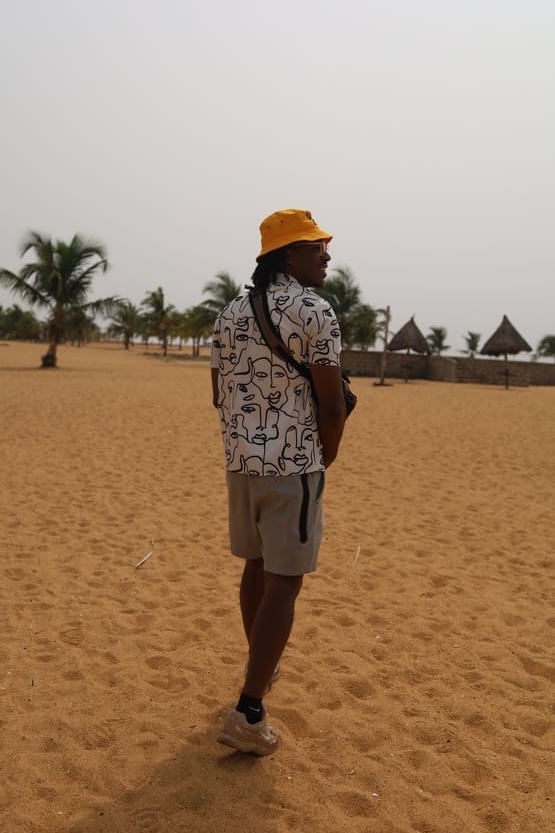
And then you notice the memorial.
On Christmas Eve in 2003, a flight crashed into the ocean shortly after takeoff from Cotonou.
The plane was overloaded. 141 people died.
There’s a small white and blue memorial sitting quietly on the sand.
It’s easy to miss if no one tells you it’s there.
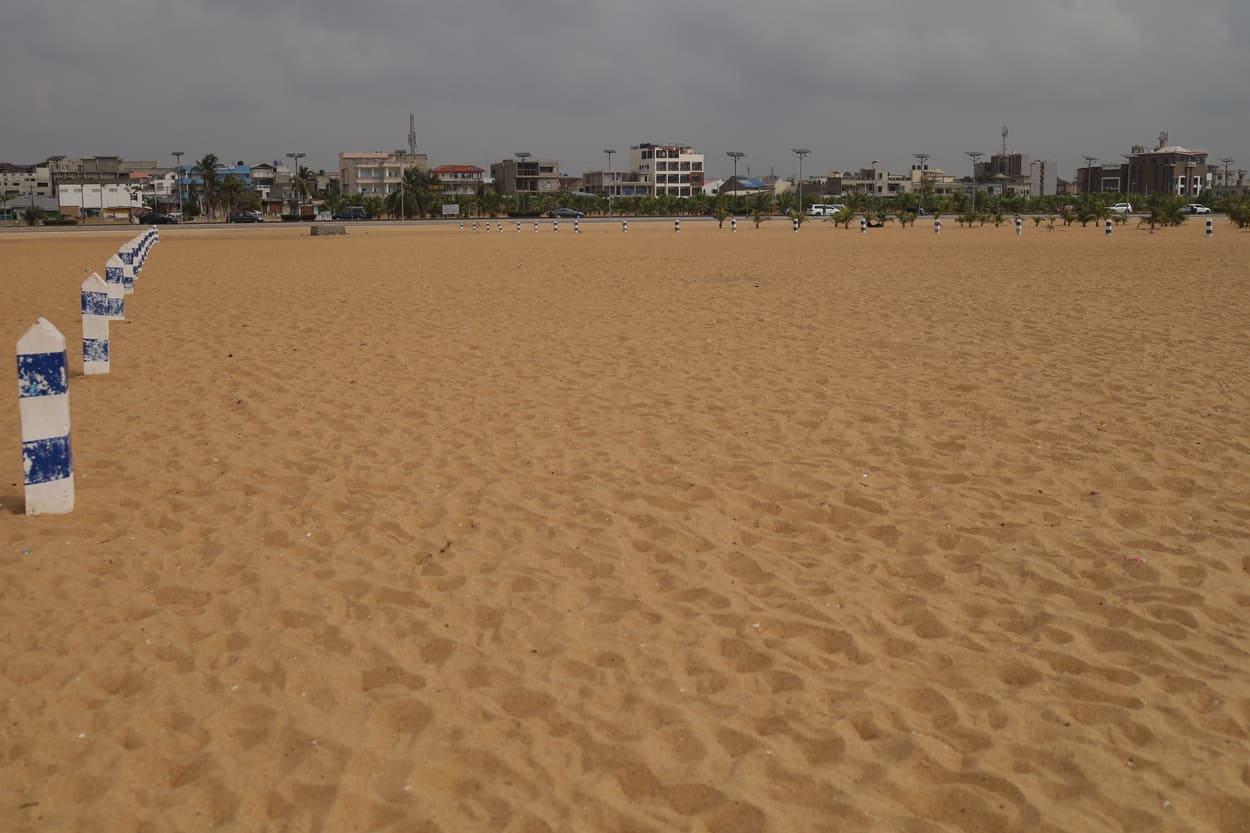
But once you see it, you can’t unsee it.
The beach still feels alive, but now you’re aware of what it’s held.
That’s Cotonou in general. It moves fast, but it remembers everything.
Bio Guera Monument
Bio Guera was a resistance leader from northern Benin who fought against French colonial forces, and the statue in Cotonou captures him on horseback with his arm raised like he’s mid-charge.
It’s bold, it’s proud, and it feels very on-brand for a country that doesn’t try to water down its history.
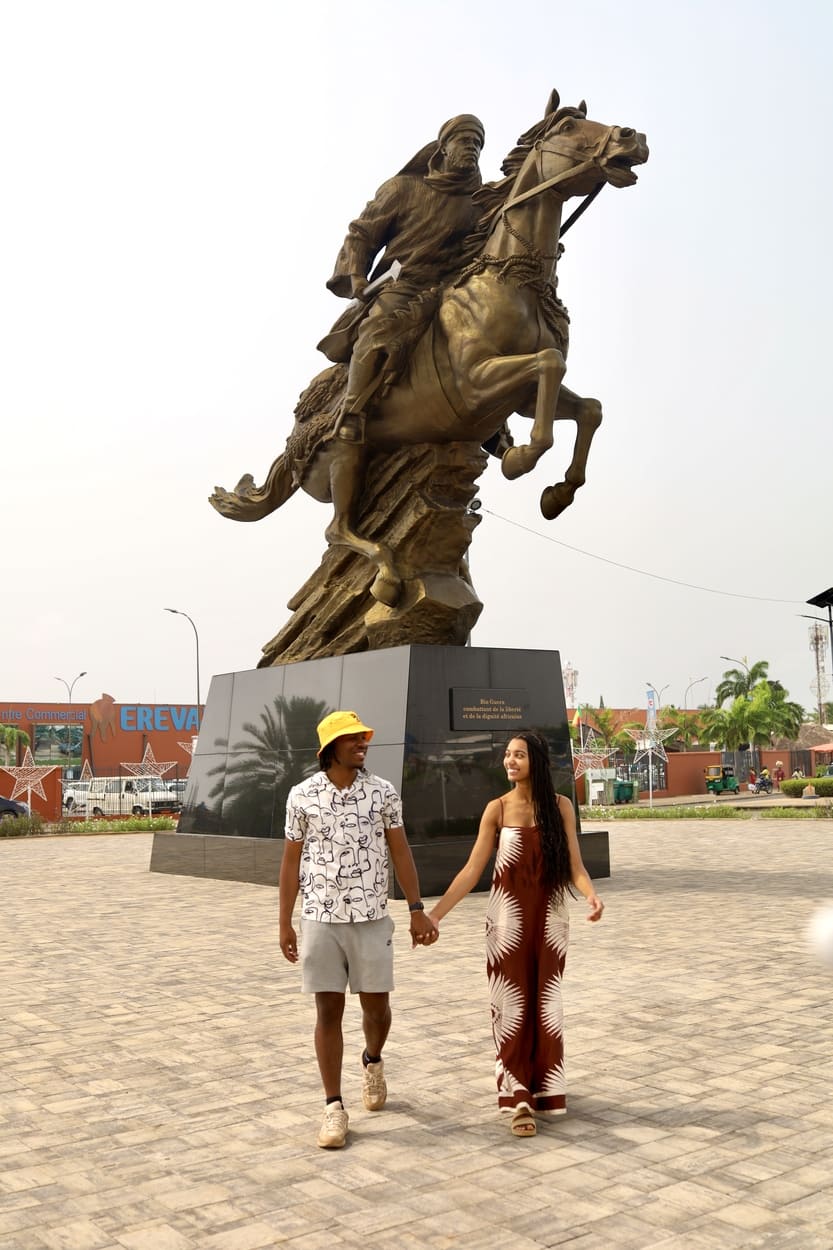
This statue used to be in front of the Cotonou airport, but it was moved to a more visible area so more people can see it.
It makes sense. If Cotonou is your first stop in Benin, this is a pretty strong introduction.
We’ve also written more about what safety actually felt like traveling through Benin, in case that’s part of your planning process.
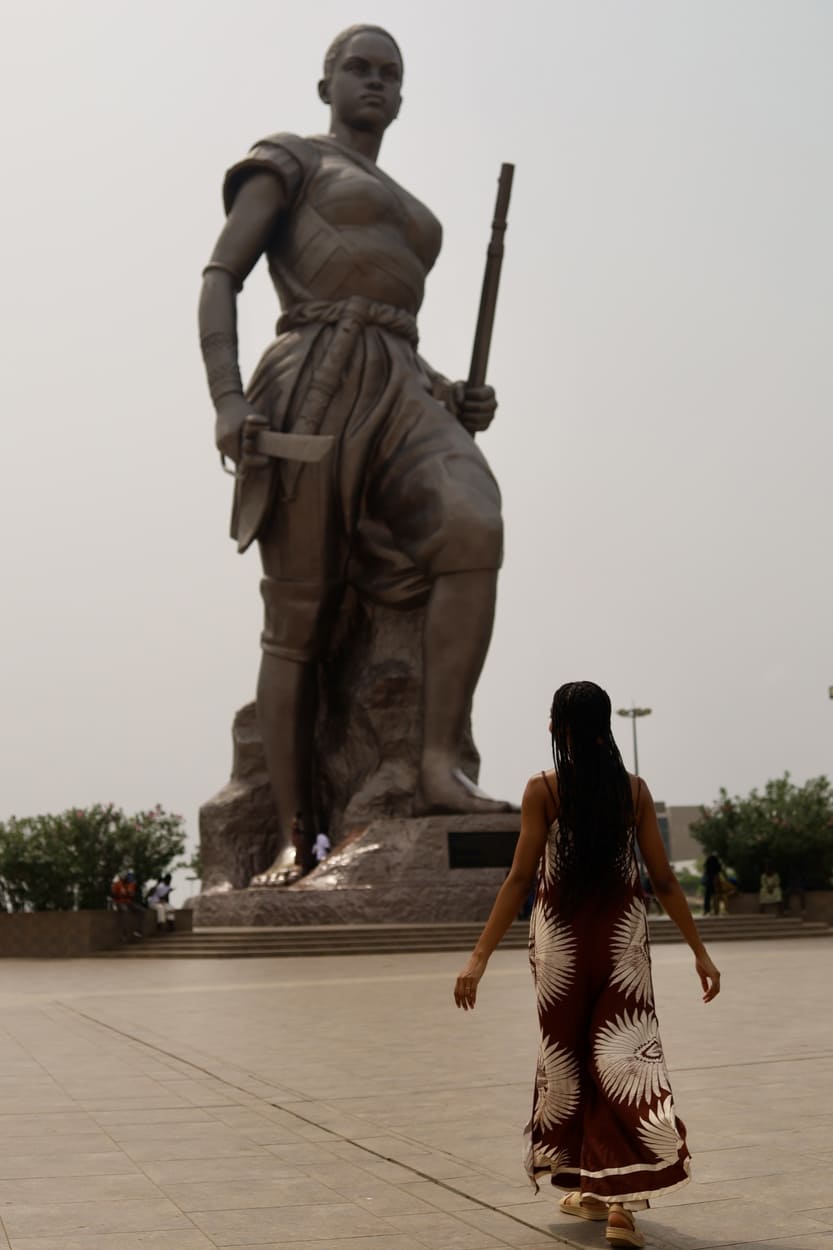
The Amazon Statue
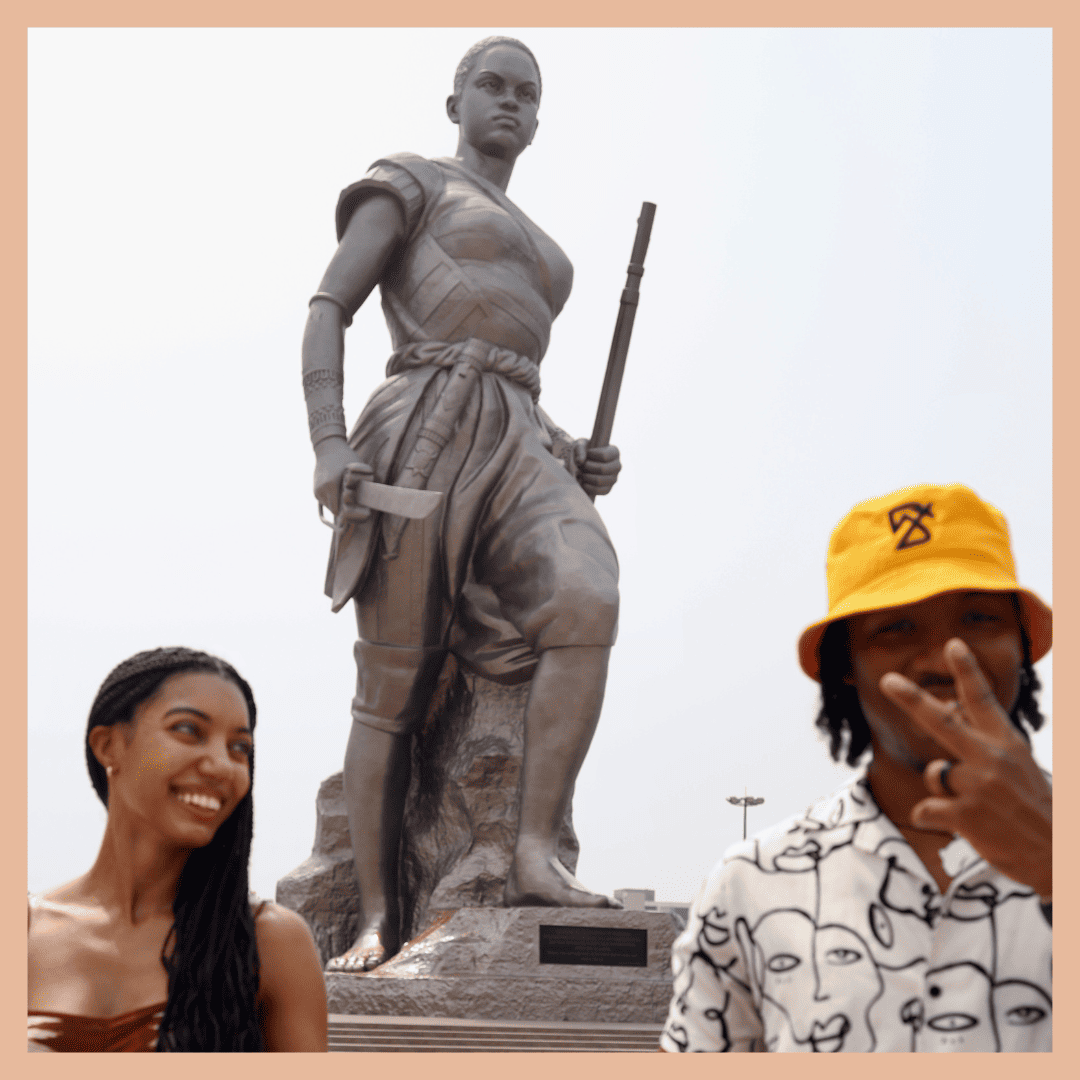
The Amazon statue is one of those landmarks where you think you know what you’re about to see… and then you pull up and realize the photos didn’t prepare you.
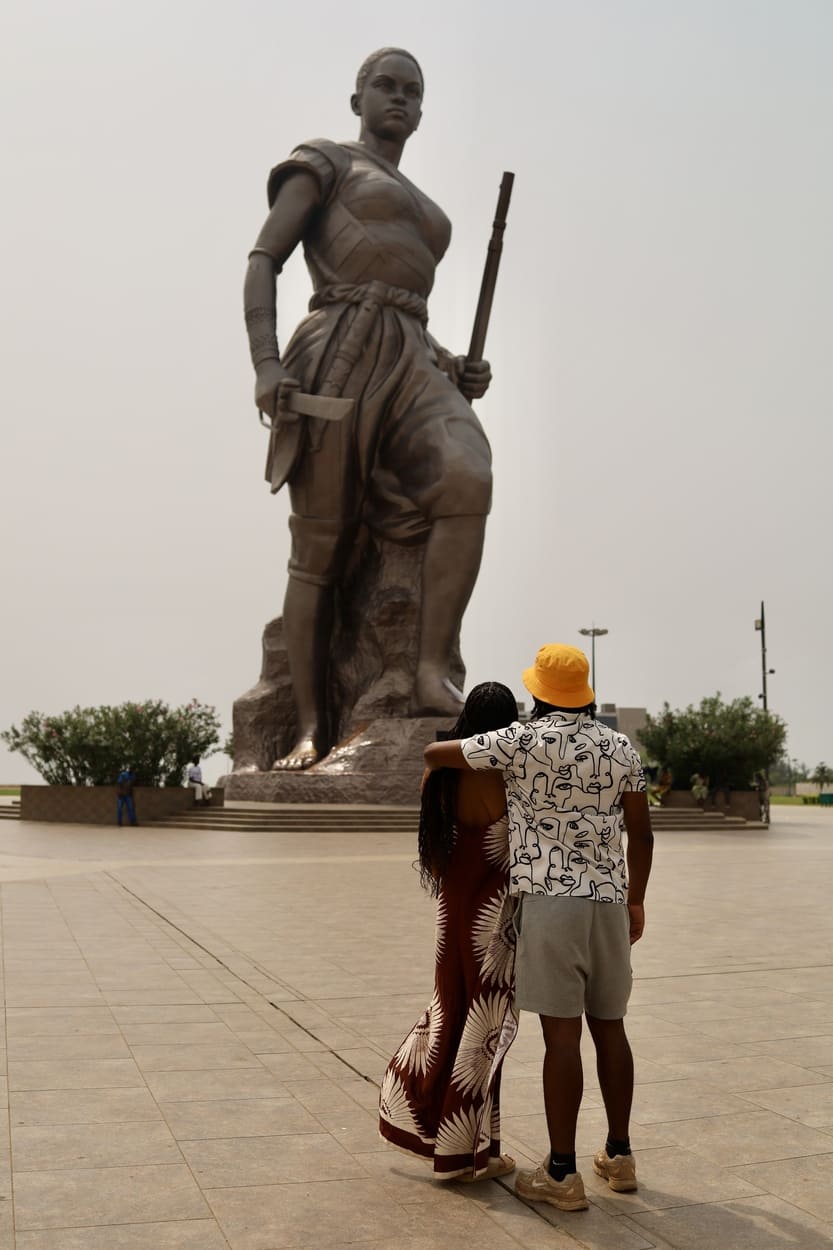
It’s the second largest statue in Africa, built to honor the women warriors of the Kingdom of Dahomey.
The statue is massive, yes, but what stood out more to me was the energy behind it.
And if you’ve already been to Abomey, you’ll feel that connection immediately.
You’re seeing a story you’ve already started to learn, now showing up again in a huge way.
The Graffiti Wall
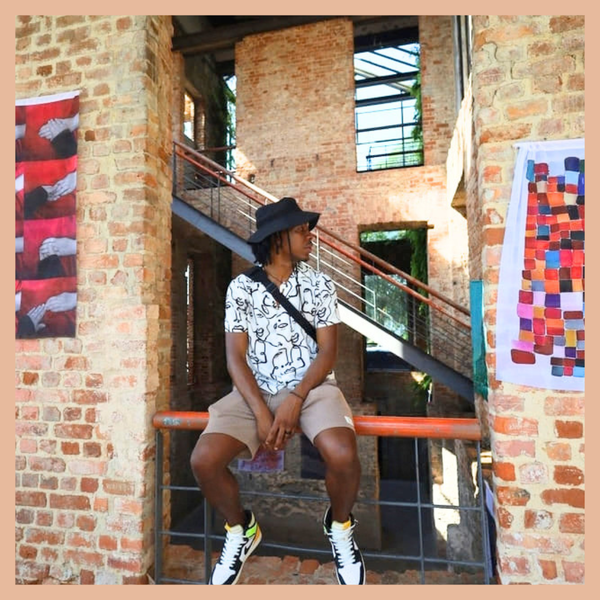
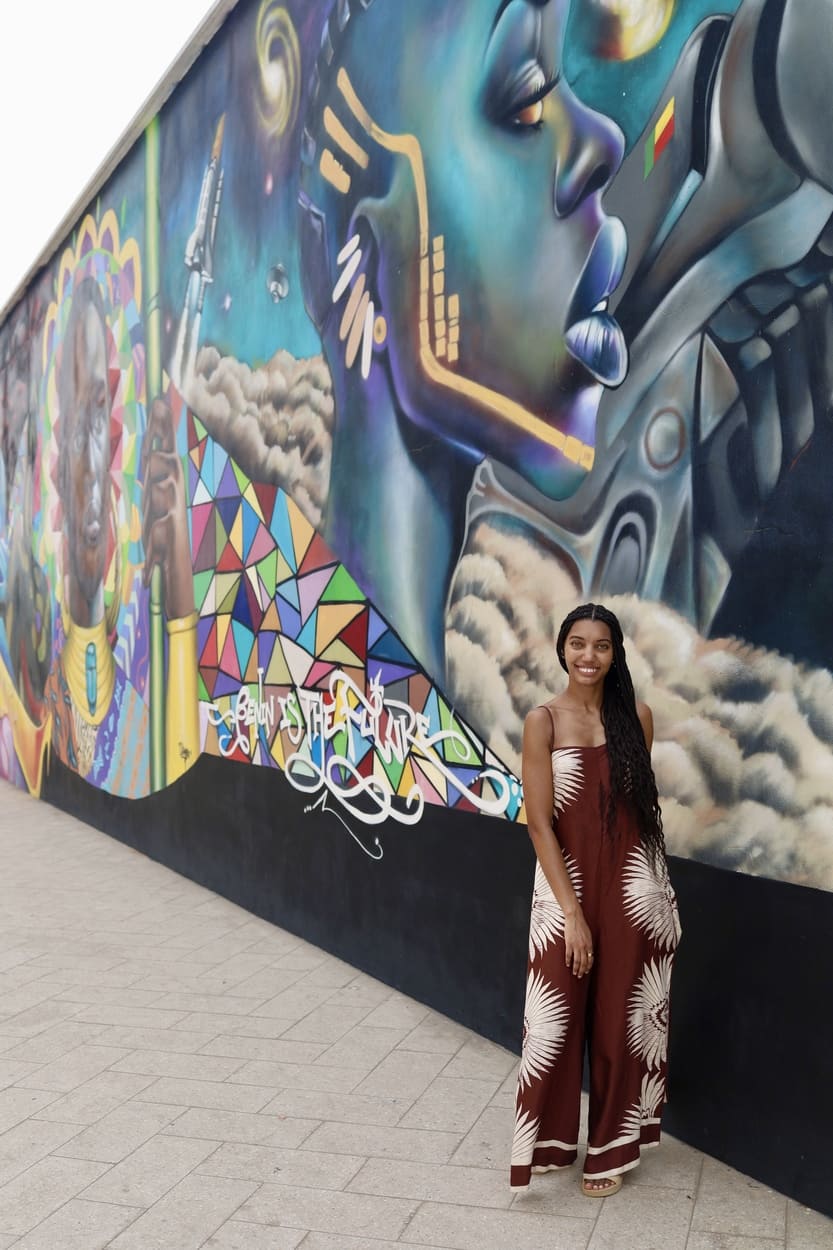
I knew Cotonou had a graffiti wall, but I didn’t expect it to be that big.
It’s the largest graffiti wall in Africa, and it’s still growing, which makes it even cooler.
It’s tall. Like, taller than me by a lot.
You’re walking alongside it and realizing you’re looking at different versions of the same message.
You’ll see the same themes repeating as you go. Unity. Peace. Welcome. Culture. Tradition.
And one phrase particularly stood out for me: Benin is the future.
Notre Dame Cathedral
The Notre Dame Cathedral stands out immediately.
Red and white stripes that you’ll spot even if you’re half paying attention.
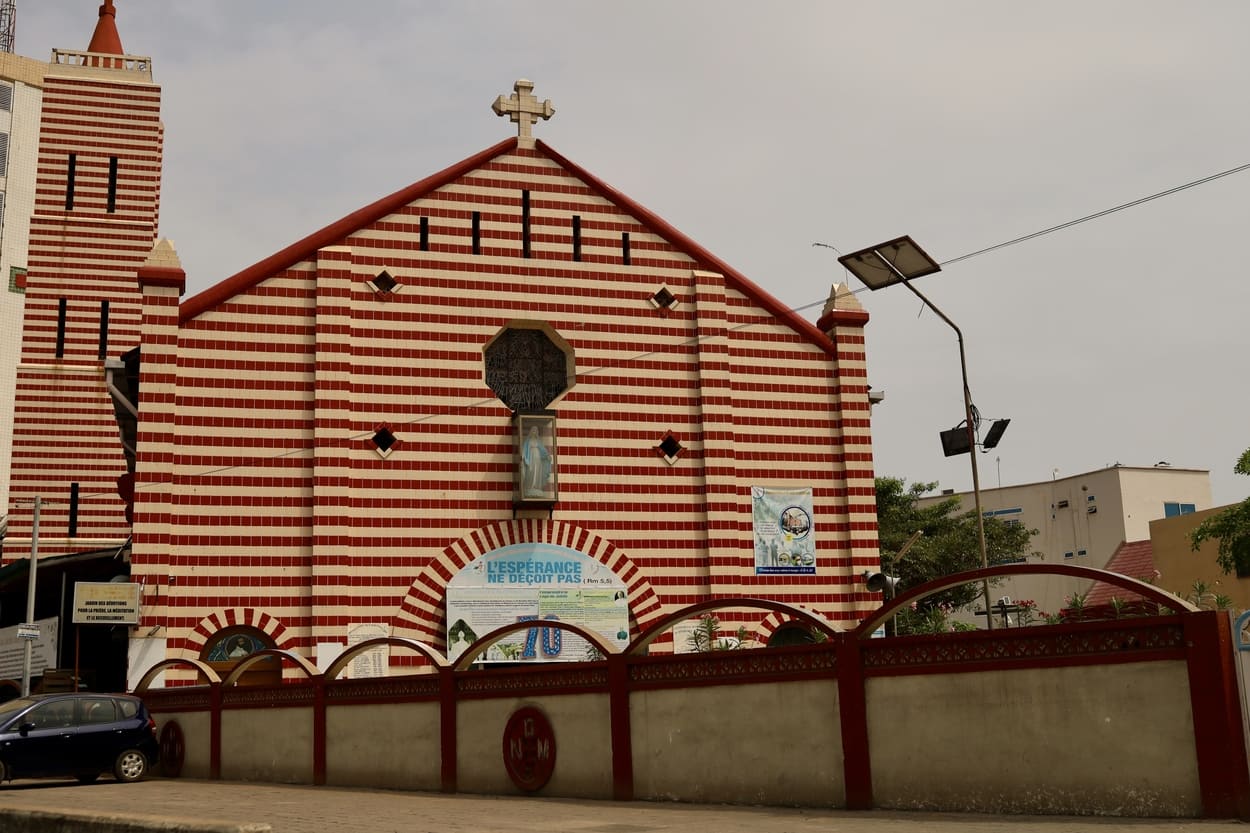
It’s one of the city’s most recognizable buildings and a reminder of how many layers of history sit inside Cotonou.
It also fits into a bigger reality you’ll notice quickly in Benin.
Christianity, Islam, and Vodun aren’t competing for space the way people may assume.
They coexist, and in some families, they overlap.
That mix is part of what makes Cotonou feel so layered.
Marché Ganhi
Marché Ganhi is a great first market stop in Cotonou because it’s busy, but it doesn’t feel chaotic.
If anything, it felt surprisingly organized.
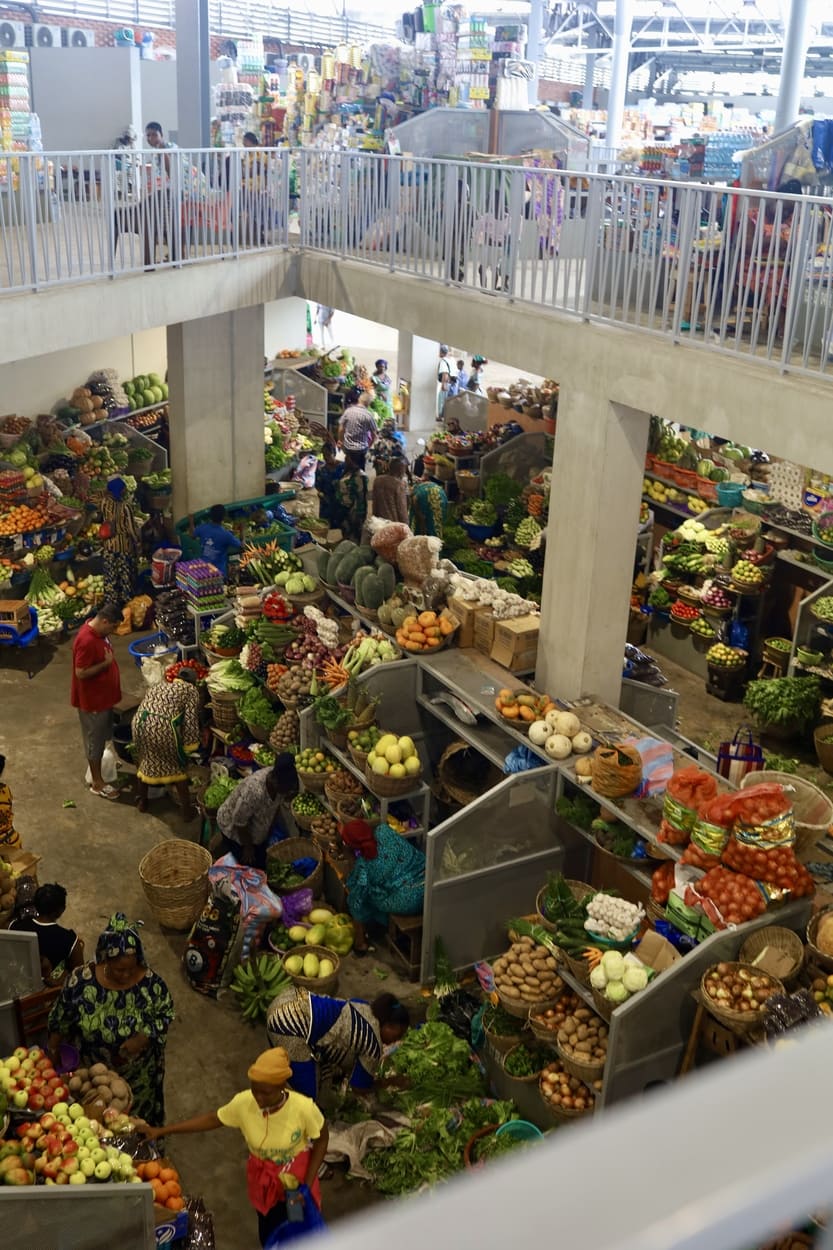
This is also where we learned about a pineapple variety that’s grown only in Benin.
If you see pineapple being sold here, try it.
It’s sweeter, more fragrant, and it tastes noticeably different than what most of us are used to.
Food is one of the fastest ways to understand a place, and Benin’s agriculture shows up everywhere once you start paying attention.
The Corniche
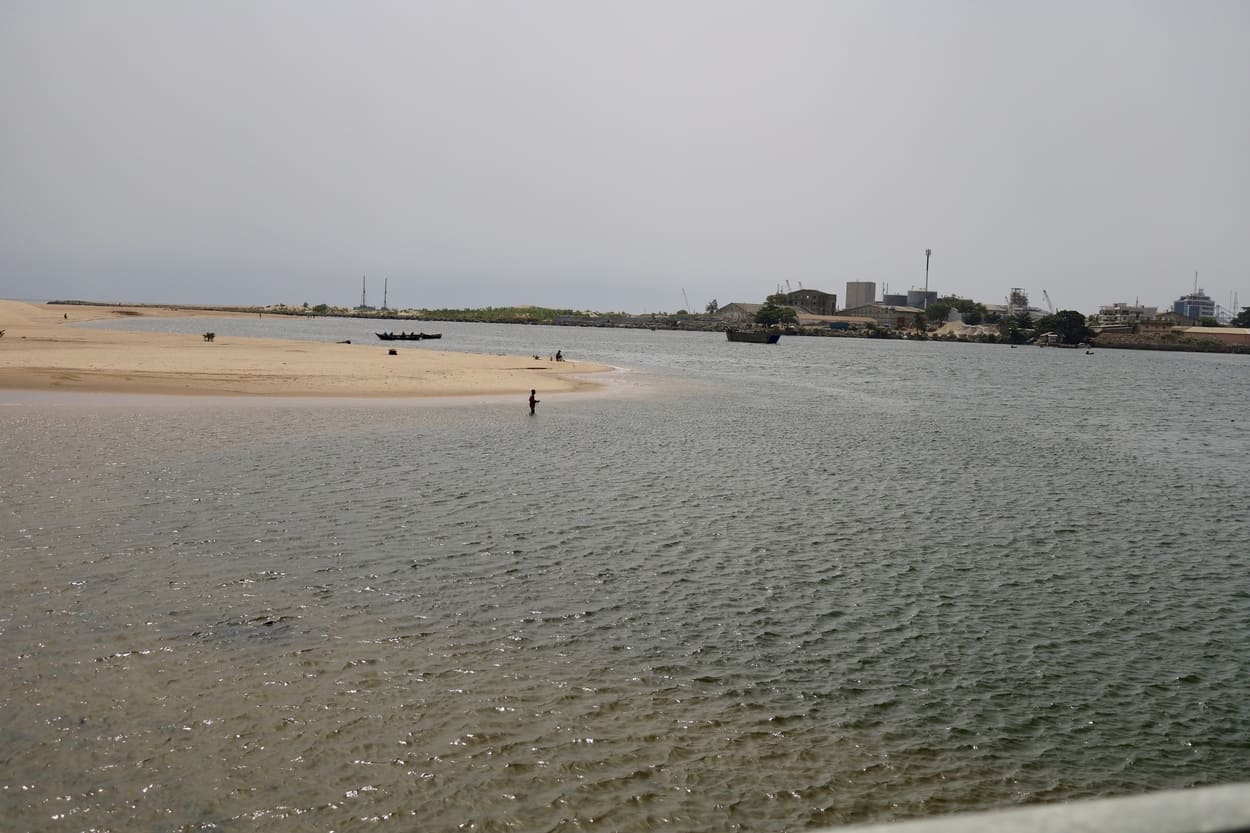
The Corniche is one of the few parts of Cotonou that feels like a pause.
It runs along the lake, and you can feel the energy shift the second you get there.
Water is part of the city’s layout and part of its identity.
You see it in how the city is built, how people move, and even in what’s being developed.
Dantokpa Market
Marché Dantokpa is the biggest market in Benin.
It’s the kind of place where you can walk for ten minutes and still feel like you’re only scratching the surface.
It’s also one of the clearest reminders that in Benin, commerce and spirituality aren’t separated into two different worlds.
Dantokpa was built beside a body of water tied to a water deity, and that spiritual layer is still part of the space.
Another thing worth knowing: Dantokpa is expected to be relocated within the next one to two years.
Plans are underway to move vendors to other areas, and the current space is expected to shift toward hospitality and resort-style development.
So if you visit now, you’re seeing it in its current form, before it evolves into something else.
And honestly, that’s a theme in Cotonou in general.
The city is growing fast, and you can feel the change while you’re standing in it.
The Recade Museum
Recades were ceremonial objects carried by the kings of Dahomey.
They were symbols of authority and communication, and they carried meaning.
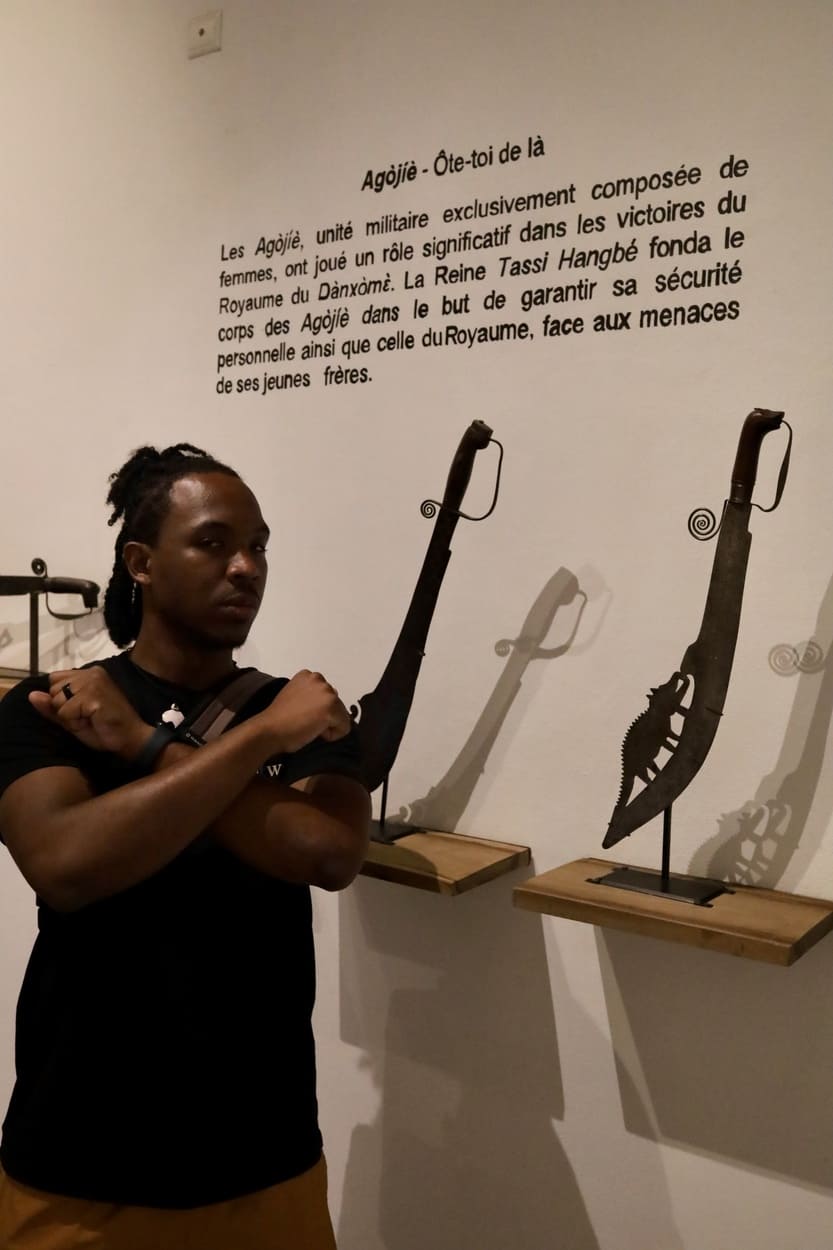
Seeing them in person helps connect the history of Abomey to the broader region, and it’s also a reminder I think more travelers need to hear clearly: African history does not start with slavery.
You see leadership, governance, symbolism, power structures, diplomacy.
This museum adds that wider view, and it matters.
Is Cotonou Worth Visiting?
Yes. Absolutely.
Cotonou is where the rhythm of Benin becomes real.
The beach holds memory. The monuments tell you exactly what the country is proud of. The markets show you who keeps things running.
If you land in Benin and give Cotonou even one full day, you’ll leave with more context than you expected.
And that makes the rest of your trip feel richer.
And for us, Cotonou was both the beginning and the end of our time in Benin.
From here, we crossed into Lomé before flying home, a smooth transition that rounded out our West Africa itinerary.
Read next: Lomé Travel Blog | Zangbeto in Benin | Things to Do in Porto-Novo | Ganvié Water Village | Temple of Pythons in Ouidah | Complete Benin Overview
Explore Benin Travel Guide: Full planning + logistics here.