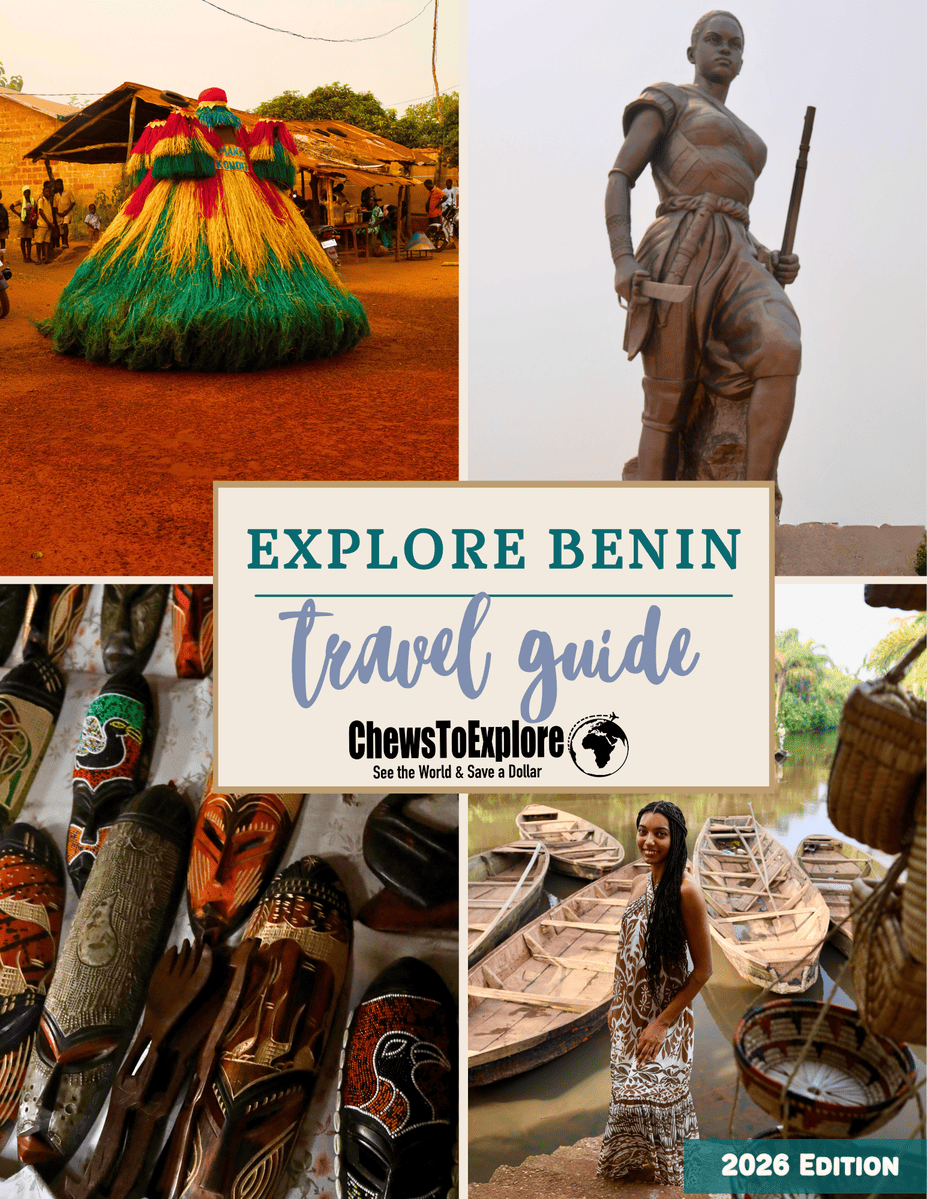
We spent five days in southern Benin. Here’s the route that made it make sense.
We just spent five days moving through southern Benin, connecting Cotonou, Porto-Novo, Abomey, Ouidah, and Ganvié in a way that felt cohesive instead of rushed.
Five days isn’t a long time.
But with the right route, it’s enough to understand the foundation of the country.
Here’s exactly how we would do it again.
But, if you’re still deciding whether Benin makes sense for your travel style, start with our honest breakdown of whether Benin is worth visiting before mapping out individual stops.
Day 1: Cotonou + Ganvié
Start in Cotonou, Benin’s largest city and entry point for most travelers.
Rather than treating it as just a landing zone, use it to understand modern Benin.
A city tour helps orient you to key monuments, neighborhoods, and markets.
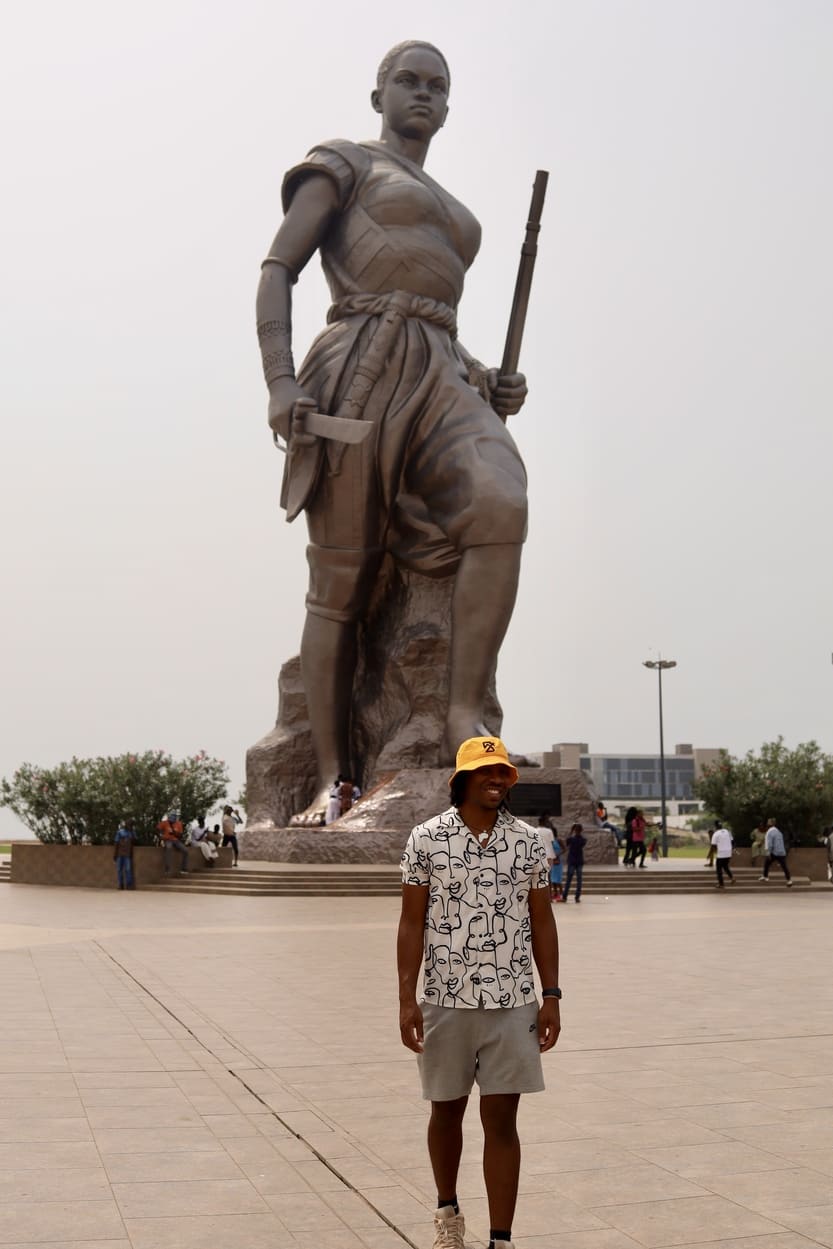
You’ll notice quickly that everything in Cotonou feels big, from the second largest statue in Africa to the longest graffiti wall and one of the largest markets in West Africa.
In the afternoon, shift gears and head to Ganvié.
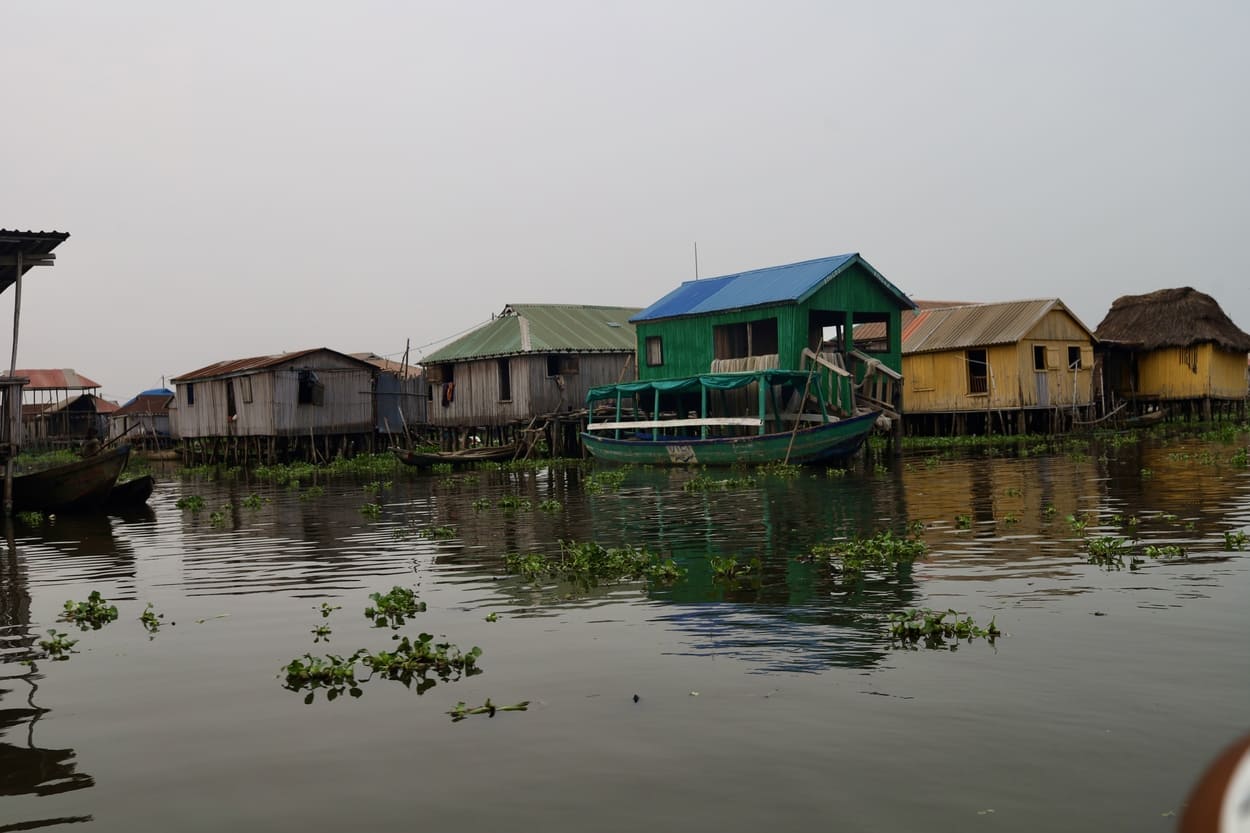
It’s a functioning lake village where families commute, cook, trade, and attend school entirely by boat.
Going with someone who can explain how and why the community was established makes a significant difference.
(If you want a deeper breakdown of what to see in Cotonou, read our Cotonou guide. For more on Ganvié, we share what that visit is actually like here.)
Day 2: Porto-Novo
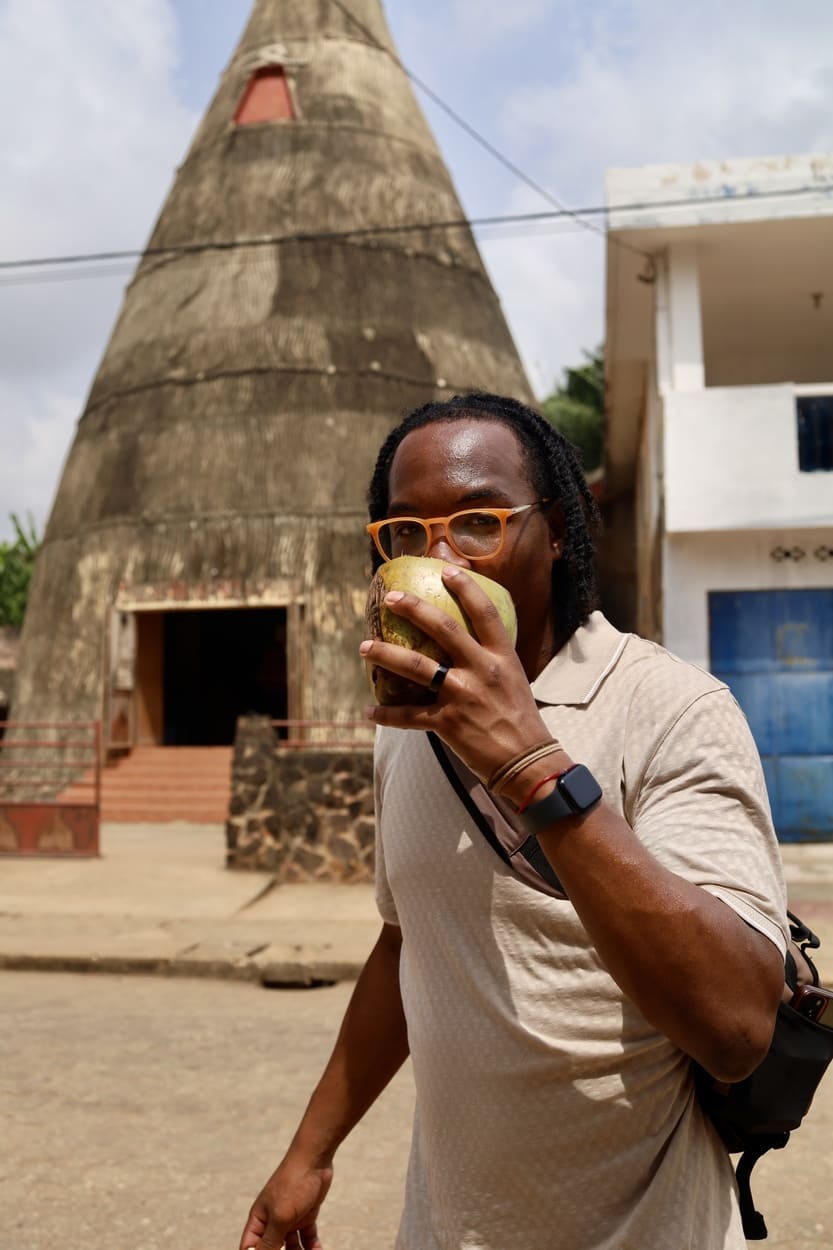
Porto-Novo is the official capital, but it feels quieter than Cotonou.
This is where you begin to understand national identity through architecture, conversation, and historical framing.
Afro-Brazilian influence shows up here, and walking the city with someone who can explain the history behind what you’re seeing changes the experience completely.
Otherwise, it can feel like just another stop.
We share what’s actually worth your time in Porto-Novo here.
Day 3: Abomey
Plan for roughly three hours of travel from Cotonou to Abomey.
This is one of the most important historical stops in Benin.
The Royal Palaces of Abomey are a UNESCO World Heritage site, but more importantly, they anchor the story of the Kingdom of Dahomey.
This is where you begin to understand leadership systems, warfare, trade, and how pre-colonial power functioned long before European intervention.
If your schedule allows, this is also a strong evening for a cultural experience such as Zangbeto, but only if properly arranged and explained.
(We go into detail about what to expect in Abomey here, and what you’re actually witnessing during Zangbeto here.)

Day 4: Ouidah
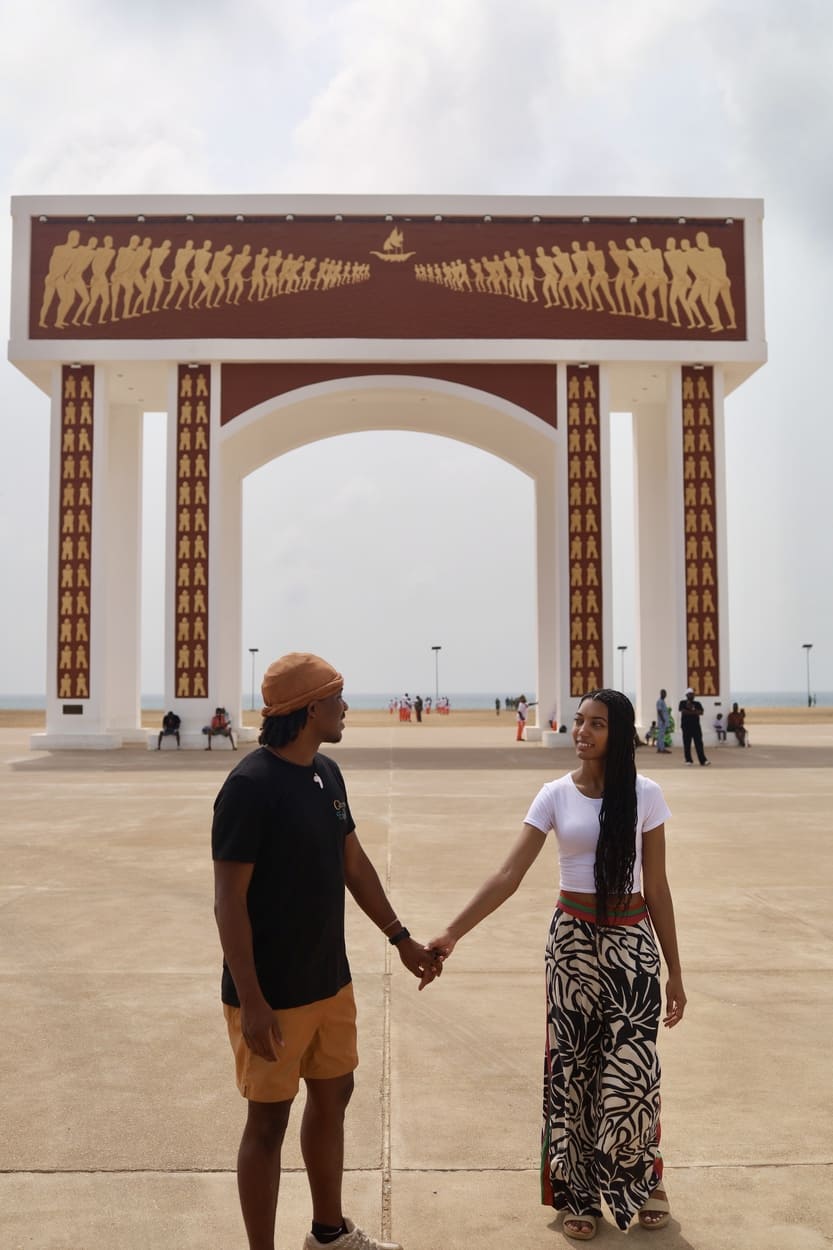
Ouidah is often the emotional centerpiece of the trip.
The Slave Route, culminating at the Door of No Return, is significant, but the experience is shaped by the explanations given along the way.
Without context, it can feel incomplete.
Beyond that route, Ouidah includes spiritual and cultural sites such as the Temple of the Sacred Pythons, the Sacred Forest of Kpassè, and the Zinsou Museum of contemporary African art.
It’s a day that blends history, spirituality, and modern interpretation.
(We share a full breakdown of what visiting Ouidah is actually like in our dedicated guide.)
Day 5: Gogotinkpon + Reset
For the final day, we shifted the tone.
After several days of historical and cultural immersion, Gogotinkpon offered something different.
A traditional clay and lake-based wellness ritual rooted in local practice.
If you’ve been to Sky Lagoon in Iceland and done the seven-step ritual, think of that structure, but without the polished spa aesthetic.
This is even more grounded.
Coconuts. Clay. Water. Shea butter.

It feels traditional, and not so much curated for Instagram.
Ending the trip this way creates balance.
It gives your body a reset after days of movement, and it provides a different lens into cultural practice beyond museums and monuments.
From there, return to Cotonou to prepare for departure.
If you’re wondering how safe Benin actually feels on the ground, we shared a full breakdown of our experience navigating the country.
Is Five Days Enough?
This five-day route works.
But it works best when transportation, timing, and local coordination are handled clearly.
If you want a detailed breakdown of how to connect each stop smoothly, our Explore Benin Travel Guide walks you through it step by step.