
Benin is gaining attention, but is it worth planning a trip around? We break down safety, cost, logistics, and what the experience is really like.
Disclosure: This post may contain affiliate links, which means we’ll receive a commission if you purchase through our links, at no extra cost to you. Please read full disclosure for more information.
Benin is not a mainstream destination (yet).
Most people don’t casually end up there.
You either chose it intentionally, or you’re still trying to figure out if you should.
So is it worth visiting?
In our experience, yes, especially if you’re interested in culture, history, and understanding West Africa beyond surface-level tourism.
But what makes it worth it depends entirely on what you’re hoping to get out of the trip.
Here’s what stood out to us, and what you should realistically expect.
What Benin Does Really Well
Benin excels at cultural depth.
Places like Abomey are not just historical stops.
Visiting the former Royal City of Dahomey gives you a structured understanding of how the kingdom operated, what leadership looked like, and how that history still shapes national identity today.
If you want the full breakdown of what to expect there, we share that in our Abomey guide.
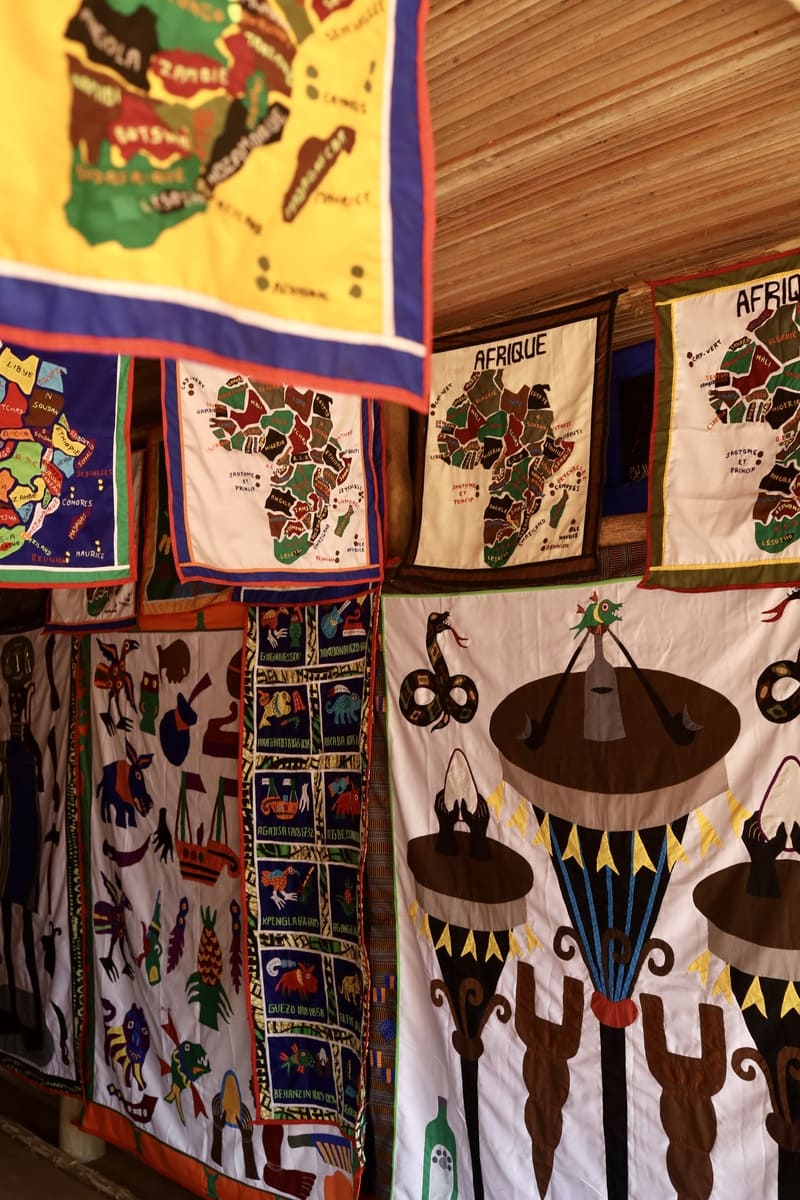
In Ouidah, the experience is layered.
The Door of No Return is significant.
But what also made the visit meaningful were the explanations behind each stop surrounding it, as well.
Context changes everything.
We detail what that experience was actually like in our Ouidah article.

Ganvié is a functioning lake village where daily life happens on water.
Watching how transportation, school, markets, and family life operate entirely by boat gives you a completely different perspective than photos ever could.
We walk through that visit in our Ganvié guide.
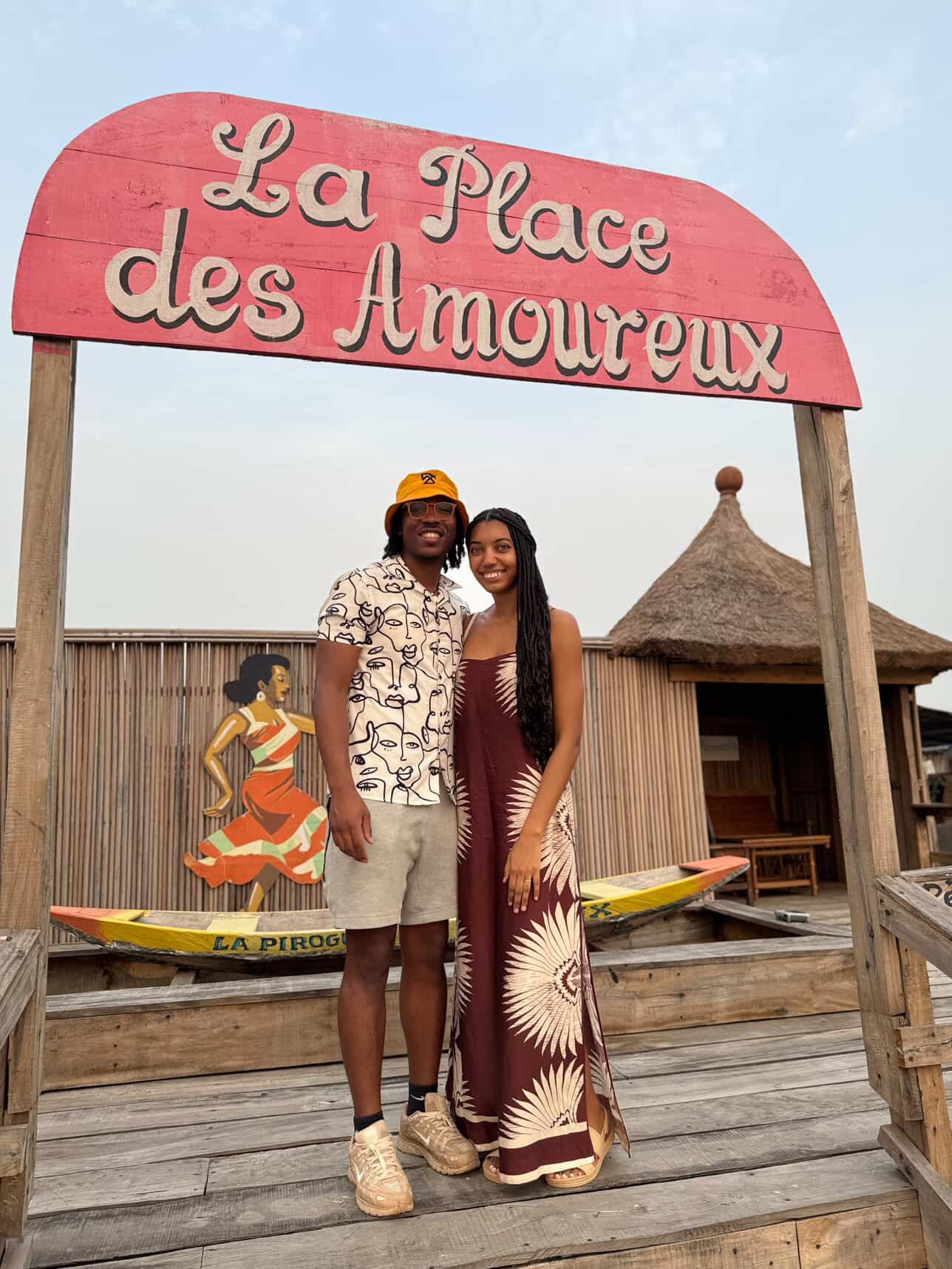
And witnessing Zangbeto made it clear that cultural experiences require explanation.
Without someone knowledgeable guiding you, you’d miss most of what’s happening.
If you’re curious about what you’re actually seeing during that ceremony, we break that down here.

Individually, each place stands on its own.
Together, they form a fuller picture of how history, spirituality, leadership, and daily life intersect.
Infrastructure and Expectations
Let’s be clear: Benin does have high-end hotels and nightlife, especially in Cotonou.
There are comfortable accommodations, modern restaurants, and well-run tour operators.
Our itinerary was organized by Massoud from Letouriste BJ and Mauriac (BENINOW) and everything ran smoothly.
Having a knowledgeable local team made a significant difference.
If you’re planning a trip, reaching out directly to Massoud for a customized quote based on what you want to do is far more accurate than relying on random online estimates.

What Benin doesn’t have is mass tourism. That’s the real difference.
You’re not moving through a heavily commercialized system built entirely around foreign visitors.
For some travelers, that’s the appeal.
How Expensive Is Benin?
Flights will likely be your biggest expense.
Once in-country, pricing depends heavily on how you structure your trip.
Accommodation ranges from modest guesthouses to upscale hotels.
Private guides are common, and in our opinion, essential for deeper cultural sites like Abomey and Zangbeto.
Rather than simply guessing, your best move is to determine the style of trip you want and contact a local operator like Massoud from Letouriste.bj to build a realistic budget around that.
Benin doesn’t fall into an extreme on either end.
It’s not ultra-budget, and it’s not luxury-priced across the board.
Costs depend heavily on how you structure your trip, especially transportation and guide involvement.
Safety Considerations
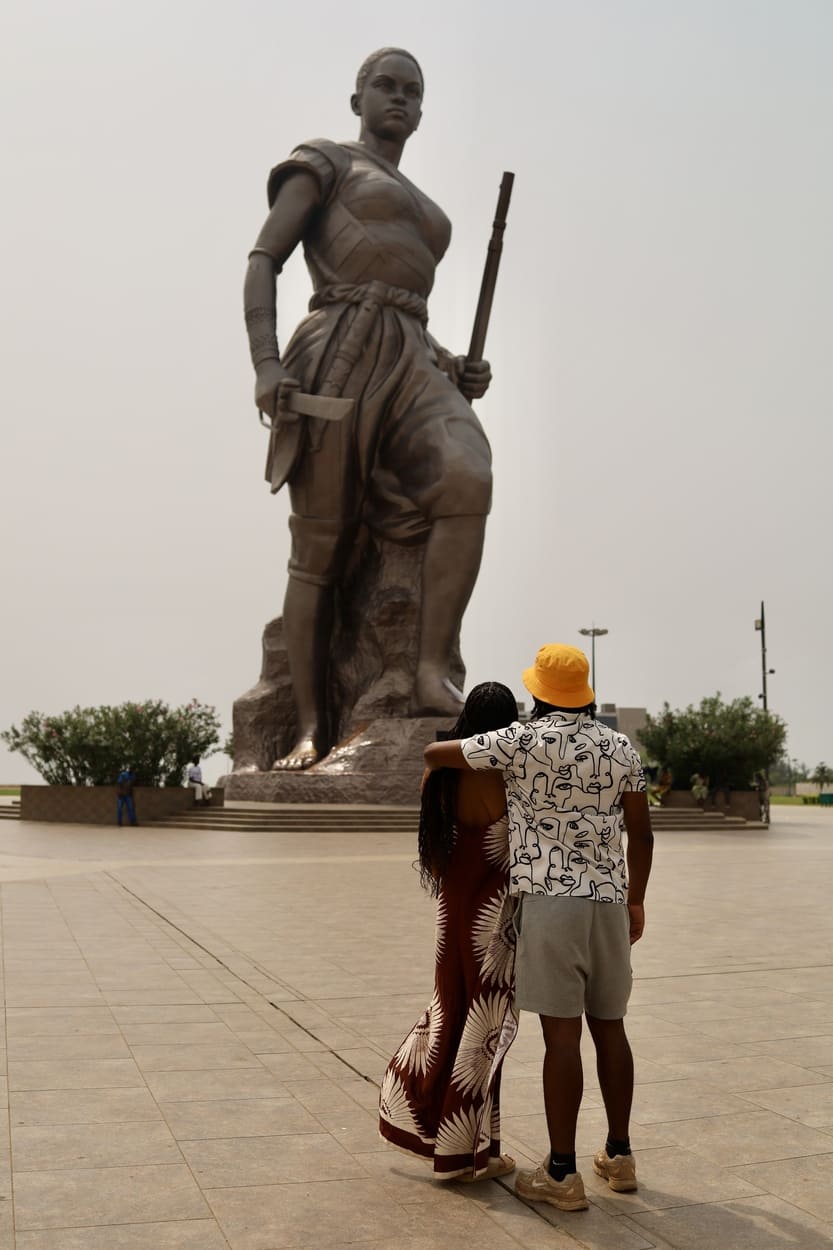
We traveled with a guide throughout most of our time in southern Benin, which absolutely shaped our experience.
With that context, we felt safe in Cotonou, Porto-Novo, Ouidah, Abomey, and Ganvié.
We walked through markets, historical sites, and neighborhoods without issue.
As with anywhere, situational awareness matters.
But we did not experience or witness behavior that felt targeted or threatening.
If you’re planning to travel independently without a guide, you’ll want to research travel advisories, transportation logistics, and language barriers more thoroughly.
For a more detailed breakdown, we’ve outlined what to consider in our Benin safety article.
How Long Should You Spend in Benin?
Five days is the minimum I’d recommend, and even that can feel full.
If you have seven days, the pace can become a bit more comfortable.
Cotonou offers a look at modern life.
Porto-Novo provides political and cultural context, which we explain in our Porto-Novo guide.
Ouidah and Abomey are foundational stops.
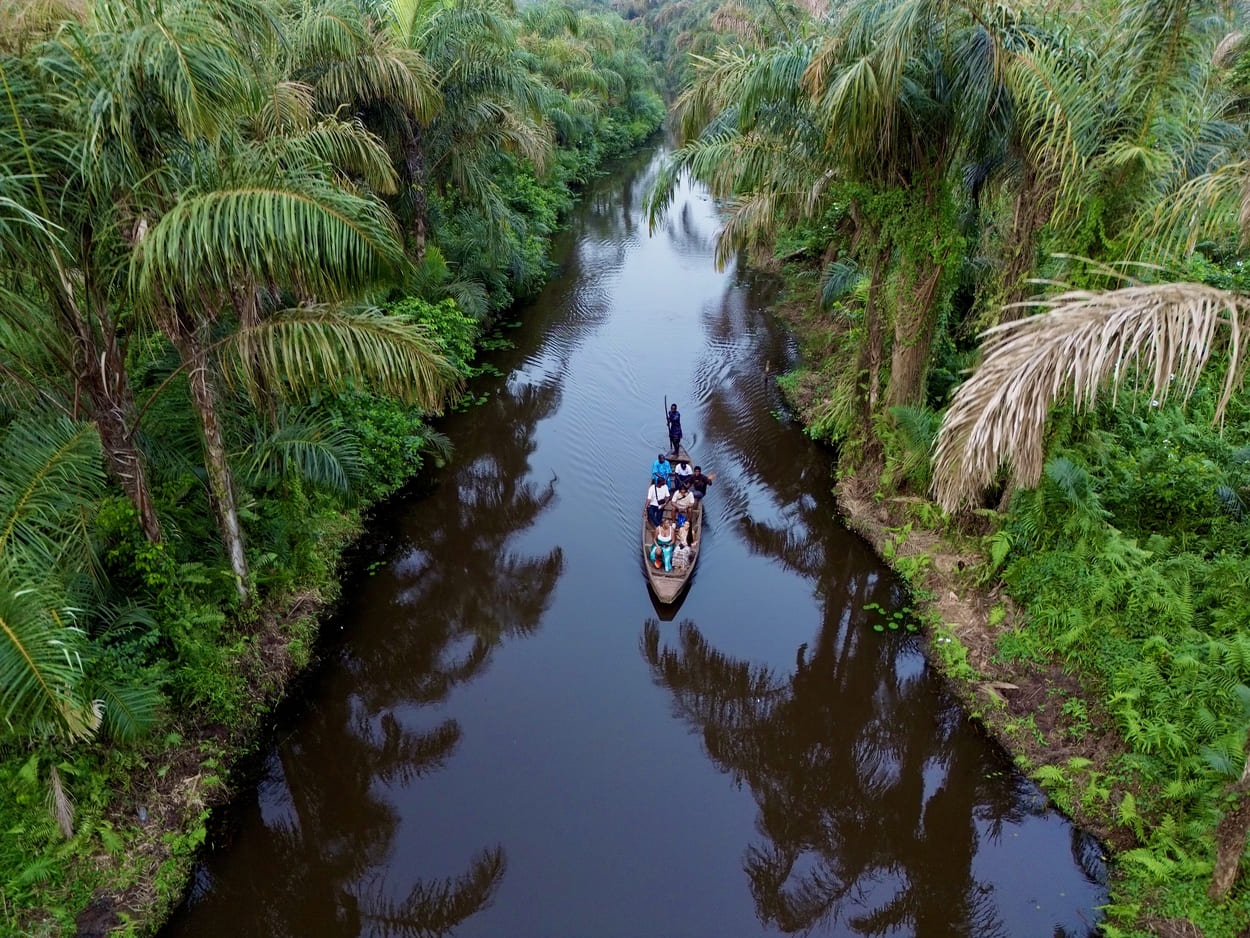
Ganvié works well as a half-day trip.
If you’re mapping out your time in Benin, this route gives you a realistic framework for how the southern cities connect over five days.
If you’re ready to turn this outline into a concrete plan, our Explore Benin Travel Guide includes the detailed logistics we used — exact transportation flow, timing suggestions between cities, trusted local contacts, and the practical information that’s harder to piece together from scattered sources.

So, Is Benin Worth Visiting?
If you’re planning a trip built entirely around resorts or nightlife, Benin probably wouldn’t be my first recommendation.
It may not be the default West African entry point for many travelers.
But if you’re interested in cultural context, strong local guides, and visiting places that aren’t shaped entirely by mass tourism, Benin offers exactly that.
And if you’re serious about planning it well, start with the resources linked above.
From there, you’ll know whether this is a trip you want to build intentionally.